The Post-Racist Planet | VPRO Documentary
TL;DR
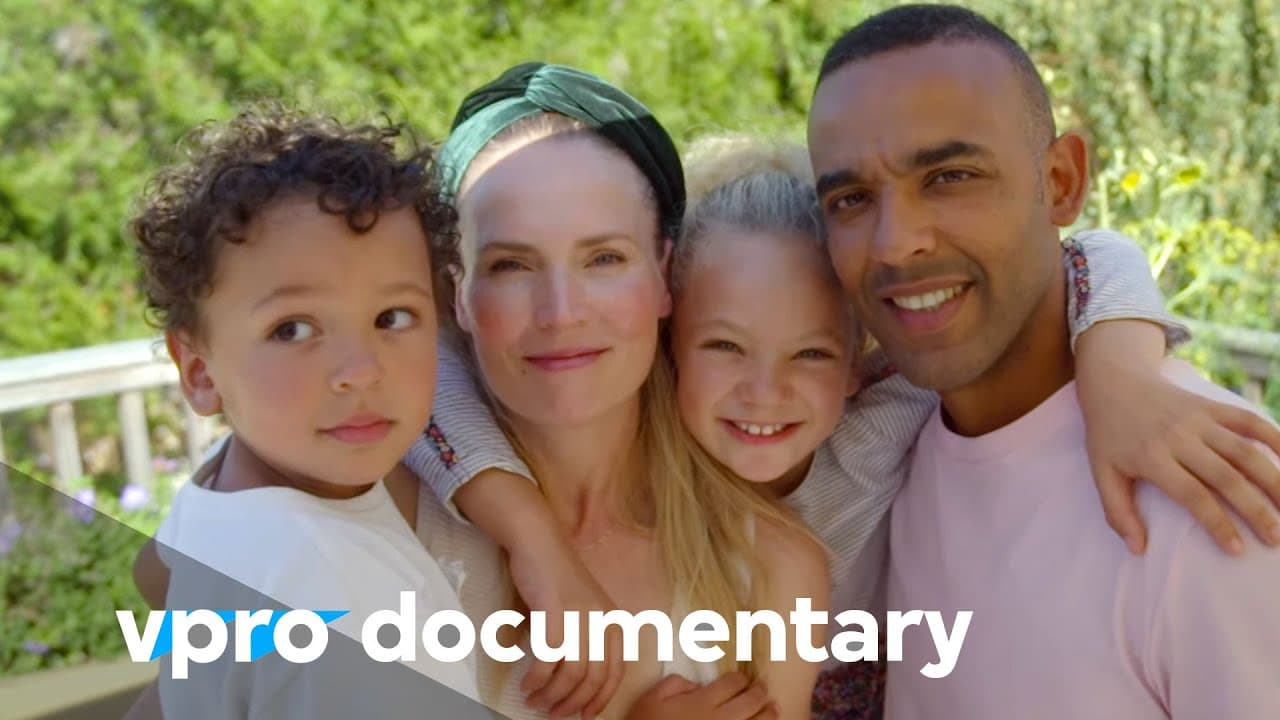
Exploring paths towards a world free of racism.
Transcript
no parent no parent wants to have a conversation with their children about racism and all of us are wondering when is the right age and when is the right time and how do i go about it that is something that we want to protect our kids from once upon a time people believed that a world where everyone was equal was impossible they said that history w... Read More
Key Insights
- Parents struggle with the right time and approach to discuss racism with their children, aiming to protect them from harsh realities.
- The documentary highlights the importance of addressing racism through open conversations and self-awareness to foster a post-racist society.
- Non-verbal communication plays a significant role in perpetuating racism, emphasizing the need for awareness of body language and tone.
- The documentary suggests that healing from racism involves addressing embodied trauma and understanding the emotional components of racial experiences.
- Art and imagination are powerful tools for envisioning a post-racist world, encouraging creativity and innovative thinking.
- The importance of being a 'good ancestor' is emphasized, recognizing the impact of current actions on future generations.
- A post-racist future involves reimagining societal structures with inclusivity, universal basic income, and open borders as key components.
- The documentary encourages continuous learning and engagement in difficult conversations as essential steps towards anti-racism.
Install to Summarize YouTube Videos and Get Transcripts
Explore YouTube Video Summarizer or Get YouTube Transcript Extractor
Questions & Answers
Q: What is the main challenge parents face when discussing racism with their children?
Parents often struggle with knowing the right time and method to discuss racism with their children. They aim to protect their children from harsh realities while also wanting to educate them about the world. The documentary highlights the dilemma of finding a balance between shielding children and preparing them for the realities of racism.
Q: How does non-verbal communication relate to racism?
Non-verbal communication, which includes body language and tone of voice, plays a significant role in perpetuating racism. The documentary emphasizes that more than 80% of communication is non-verbal, and understanding these cues is crucial in addressing and dismantling systems of power and dominance that contribute to racism.
Q: What role does art play in envisioning a post-racist world?
Art and imagination are powerful tools for envisioning a post-racist world. The documentary suggests that creativity allows individuals to imagine better futures and challenge the status quo. Artists have the opportunity to depict what a post-racist society could look like, inspiring others to work towards that vision.
Q: What is meant by being a 'good ancestor'?
Being a 'good ancestor' involves recognizing the impact of one's actions on future generations. The documentary emphasizes the importance of leaving a positive legacy and working towards a better world for those who come after us. It encourages individuals to consider how their behavior and decisions will affect others in the long term.
Q: What societal changes are suggested for a post-racist future?
The documentary suggests several societal changes for a post-racist future, including greater inclusivity, universal basic income, and open borders. These changes aim to create a society where everyone has access to healthcare, education, and opportunities, regardless of their background, fostering equality and reducing racial disparities.
Q: How can individuals contribute to anti-racism efforts?
Individuals can contribute to anti-racism efforts by engaging in continuous learning, having difficult conversations, and challenging their own biases. The documentary encourages people to read, educate themselves, and speak up against racism in everyday situations. It highlights the importance of being proactive in addressing racism rather than remaining passive or silent.
Q: What is the significance of addressing embodied trauma in racism?
Addressing embodied trauma is significant in healing from racism because it involves understanding the physical and emotional impact of racial experiences. The documentary highlights that trauma from racism is not just mental but also affects the body. Healing requires acknowledging these effects and finding ways to process and release the trauma.
Q: Why is continuous engagement in anti-racism important?
Continuous engagement in anti-racism is important because it involves an ongoing commitment to learning, self-reflection, and action. The documentary emphasizes that anti-racism is not a one-time effort but a lifelong journey. It requires individuals to consistently challenge racism, support marginalized communities, and work towards systemic change.
Summary & Key Takeaways
-
The documentary explores the challenges and strategies in creating a post-racist world, emphasizing the importance of open conversations and self-awareness. It highlights the role of non-verbal communication and the need to address embodied trauma from racism.
-
Art and imagination are presented as powerful tools for envisioning a better future, with a focus on inclusivity and reimagining societal structures. The concept of being a 'good ancestor' is central, recognizing the long-term impact of current actions.
-
Continuous learning and engagement in difficult conversations are encouraged as vital steps towards anti-racism. The documentary underscores the importance of addressing both policy and emotional components of racism for meaningful change.
Read in Other Languages (beta)
Share This Summary 📚
Summarize YouTube Videos and Get Video Transcripts with 1-Click
Try YouTube Summary with ChatGPT & Claude or YouTube Transcript Generator
Explore More Summaries from vpro documentary 📚
Summarize YouTube Videos and Get Video Transcripts with 1-Click
Try YouTube Summary with ChatGPT & Claude or YouTube Transcript Generator