How to Eat for Optimal Performance
TL;DR
Eating for performance involves selecting foods that fuel your body effectively while considering individual needs. It's crucial to prioritize protein intake, balance carbohydrates and fats, and incorporate a variety of plant-based foods to support gut health. Avoid restrictive diets and focus on a sustainable approach that allows for flexibility and enjoyment in meals.
Transcript
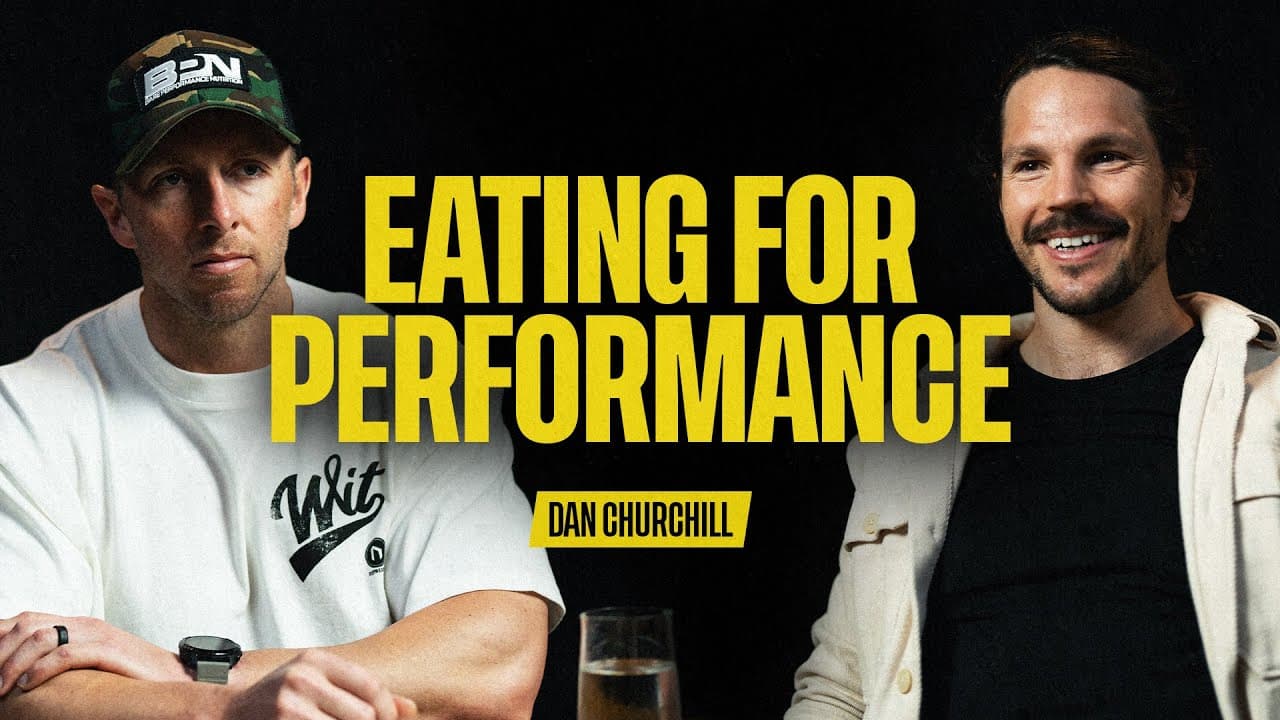
in today's episode of the podcast I am sitting down with my good friend and world famous chef Dan Church Hill we're talking about how to eat for performance eat like a legend and taking control of your diet to achieve your performance outcomes back on the podcast for a second time actually is this our third time third time in the podcast bro third ... Read More
Key Insights
- Eating for performance requires a focus on nutrient-dense foods that fuel physical activity and recovery.
- Protein intake should be prioritized, aiming for about one gram per pound of body weight daily.
- Carbohydrates and fats should be balanced based on individual energy demands and activity levels.
- Trusting your gut and intuition can guide dietary choices, but data should also be considered.
- A variety of plant-based foods supports gut health and provides essential nutrients.
- Restrictive diets may lead to unhealthy relationships with food; flexibility is key.
- Binge eating and subsequent fasting can negatively impact metabolism and performance.
- Cooking at home allows for control over ingredients and can enhance the enjoyment of food.
Install to Summarize YouTube Videos and Get Transcripts
Explore YouTube Video Summarizer or Get YouTube Transcript Extractor
Questions & Answers
Q: How to prioritize protein intake for performance?
To prioritize protein intake for performance, aim for about one gram of protein per pound of body weight daily. Plan your meals to include protein-rich foods such as lean meats, fish, eggs, dairy, legumes, and plant-based protein sources. Spread protein intake evenly throughout the day to support muscle repair, growth, and overall recovery.
Q: What is the role of carbohydrates in performance nutrition?
Carbohydrates are crucial for performance nutrition as they provide the primary energy source for physical activities. They help replenish glycogen stores, fuel workouts, and aid in recovery. The amount of carbohydrates needed varies based on individual energy demands and activity levels, but they should be included in a balanced diet alongside protein and fats.
Q: Why is it important to have a variety of plant-based foods in your diet?
A variety of plant-based foods is important because they support gut health and provide essential nutrients, vitamins, and minerals. They contain dietary fibers that feed the gut microbiome, promoting a healthy digestive system. Different colors and types of plants offer diverse phytonutrients, enhancing overall health and preventing deficiencies.
Q: How can you avoid restrictive diets and maintain a healthy relationship with food?
To avoid restrictive diets and maintain a healthy relationship with food, focus on a balanced and varied diet that includes all food groups in moderation. Allow flexibility for occasional indulgences and prioritize foods that you enjoy. Listen to your body's hunger cues and avoid labeling foods as 'good' or 'bad'. Aim for sustainability over perfection.
Q: What are the potential consequences of binge eating and fasting?
Binge eating followed by fasting can lead to metabolic damage, hormonal imbalances, and a disrupted relationship with food. It may cause weight fluctuations, decreased energy, and impaired performance. Instead, aim for consistent, balanced meals that meet your nutritional needs and support sustained energy levels throughout the day.
Q: How does gut health impact overall performance?
Gut health impacts overall performance by influencing digestion, nutrient absorption, and immune function. A healthy gut supports efficient energy utilization and recovery, while an imbalanced gut can lead to digestive issues, inflammation, and decreased performance. Consuming a variety of fibers and probiotics can enhance gut health and improve performance.
Q: What is the significance of cooking at home for performance nutrition?
Cooking at home allows for greater control over ingredients and portion sizes, ensuring balanced nutrition that supports performance goals. It provides the opportunity to experiment with different flavors and cooking methods, making healthy eating enjoyable. Home-cooked meals can be tailored to individual dietary needs and preferences, promoting long-term adherence to a performance-focused diet.
Q: How can you balance performance nutrition with enjoying social meals?
Balance performance nutrition with social meals by planning ahead and making mindful choices. Prioritize nutrient-dense foods throughout the day and allow flexibility for indulgences during social gatherings. Focus on portion control and savor the experience without guilt. Remember that occasional indulgences will not derail long-term performance goals if balanced with a generally healthy diet.
Summary & Key Takeaways
-
Eating for performance involves selecting foods that not only fuel physical activity but also support recovery and overall health. Prioritizing protein intake is essential, with a target of about one gram per pound of body weight daily. Carbohydrates and fats should be adjusted based on individual energy needs and activity levels.
-
A sustainable approach to nutrition includes flexibility and enjoyment in meals, avoiding restrictive diets that can lead to unhealthy relationships with food. Trusting your gut and intuition can guide dietary choices, but it's important to also consider data and individual needs.
-
Incorporating a variety of plant-based foods supports gut health and provides essential nutrients. Cooking at home allows for control over ingredients, enhancing the enjoyment of food while ensuring balanced nutrition. Avoiding binge eating and subsequent fasting can help maintain a healthy metabolism and support performance goals.
Read in Other Languages (beta)
Share This Summary 📚
Summarize YouTube Videos and Get Video Transcripts with 1-Click
Try YouTube Summary with ChatGPT & Claude or YouTube Transcript Generator
Explore More Summaries from The Nick Bare Podcast 📚



Summarize YouTube Videos and Get Video Transcripts with 1-Click
Try YouTube Summary with ChatGPT & Claude or YouTube Transcript Generator