How Does Education Impact Global Health and Society?
TL;DR
Education significantly impacts personal health and societal outcomes by improving literacy rates, which leads to lower mortality and better health access. Additionally, educated individuals are more likely to participate in democracy and experience lower crime rates. However, barriers such as poverty and gender inequality continue to hinder access to education for many around the world.
Transcript
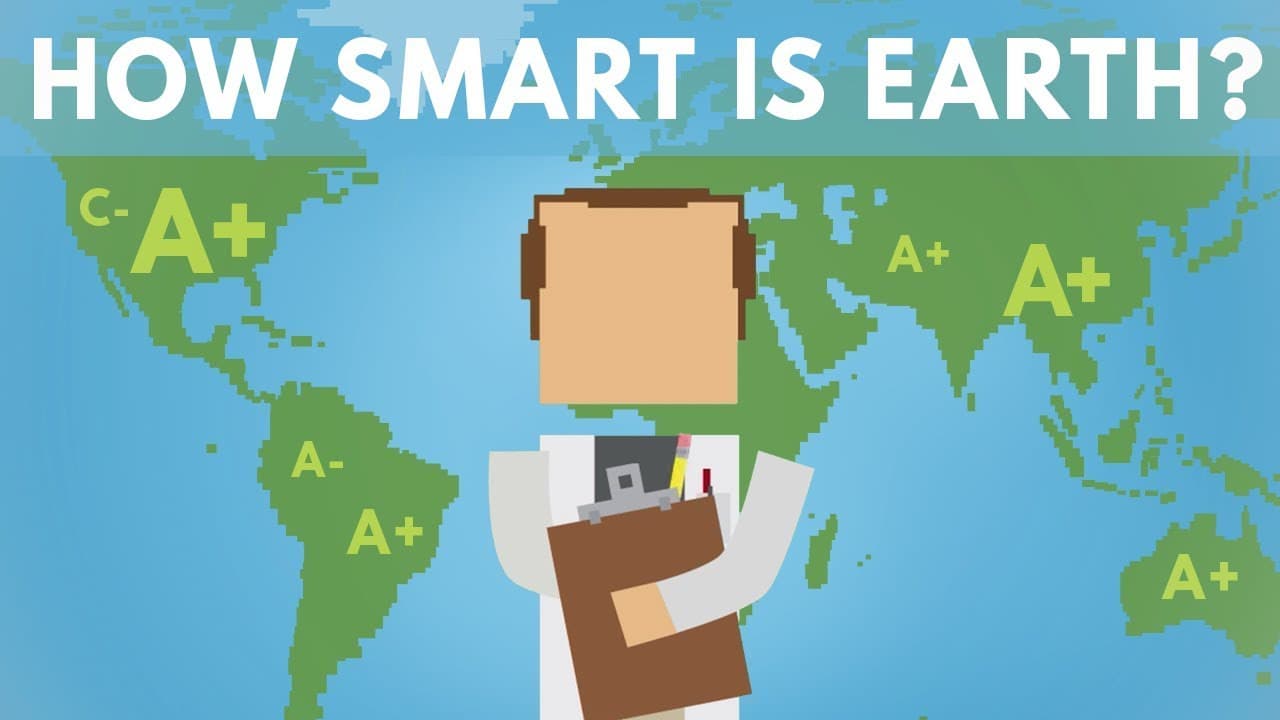
Hey there, welcome to Life Noggin. People are always telling kids to stay in school and study hard. They say education is vital. But is the world getting the education it needs? Are people actually staying in school? Let's find out! Well, as of 2016 86% of people 15 years and older were literate. Compare that to 1950 and you’ll see that just 35.9% ... Read More
Key Insights
- ☠️ Literacy rates have improved globally, indicating a positive trend in education.
- 😘 Education contributes to better personal health outcomes and lower mortality rates.
- 😘 Higher levels of education are associated with increased participation in democracy and lower crime rates.
- 🖤 Barriers like poverty, gender inequality, and lack of access prevent many individuals from receiving an education.
- 🎓 Education is crucial for individual well-being as well as societal development.
- ♿ More educated individuals tend to have better economic opportunities and healthcare access.
- 🥺 Education can break barriers and empower individuals to lead healthier and more fulfilling lives.
Install to Summarize YouTube Videos and Get Transcripts
Explore YouTube Video Summarizer or Get YouTube Transcript Extractor
Questions & Answers
Q: How has literacy rates changed over the years?
Literacy rates have increased significantly, with 86% of people 15 years and older being literate as of 2016 compared to 35.9% in 1950.
Q: What are the personal health benefits of education?
Individuals with higher levels of education experience lower mortality rates and are less likely to develop chronic diseases due to better access to healthcare and higher income.
Q: How does education impact democracy participation?
Higher education levels are correlated with greater involvement in democracy and a decreased likelihood of anti-democracy movements, leading to more stable political systems.
Q: What are some barriers that hinder access to education?
Barriers such as poverty, racism, sexism, and lack of funding in schools with students in poverty limit access to quality education for many individuals.
Summary & Key Takeaways
-
Literacy rates have increased over the years, with more people enrolling in secondary school.
-
Education has significant benefits, including improved health outcomes and lower crime rates.
-
Barriers such as poverty, gender inequality, and lack of access hinder many from receiving an education.
Read in Other Languages (beta)
Share This Summary 📚
Summarize YouTube Videos and Get Video Transcripts with 1-Click
Try YouTube Summary with ChatGPT & Claude or YouTube Transcript Generator
Explore More Summaries from Life Noggin 📚

Summarize YouTube Videos and Get Video Transcripts with 1-Click
Try YouTube Summary with ChatGPT & Claude or YouTube Transcript Generator