Jholey Discusses The Bright Side of Artificial Intelligence!
TL;DR
The content explores the fine line between reality and artificiality in digital media.
Transcript
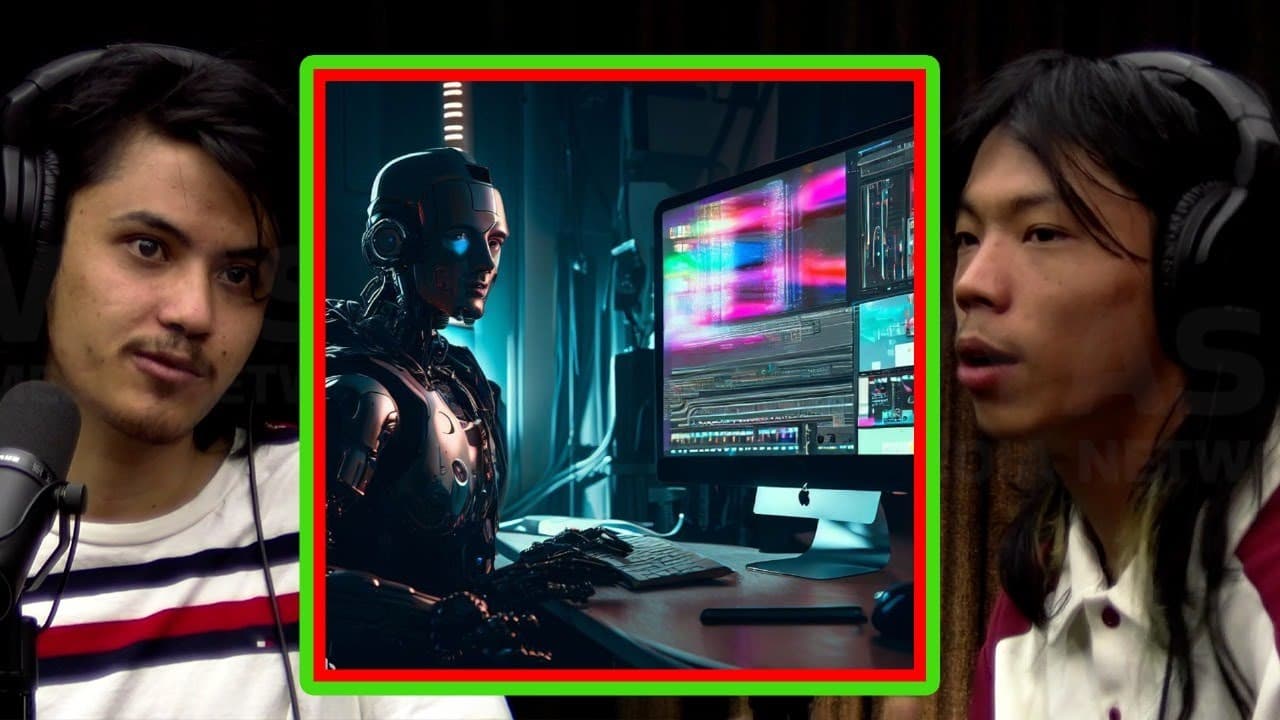
spech speech there let's do this text toex video this is the uh one yeah this is fake but this is not fake this is fake just single prompt a puppy playing with swear to God this ISE speech for speech ] foreign speech speech fore is speech fore [ speech drone view of waves crashing against the ruget clips no this is no is thisch speech foreign speec... Read More
Key Insights
- 😮 The rise of artificial media, such as deepfakes, complicates the perception of truth and can lead to widespread misinformation.
- ⛑️ Visual cues, such as lighting and motion inconsistencies, are essential in determining the authenticity of media content.
- 🔉 Ethical considerations are increasingly important as advancements in technology permit the creation of convincing fake media representations.
- 🫵 A critical viewing approach is necessary for modern audiences to navigate the complex landscape of digital media.
- 💁 The understanding of 'realness' in media is evolving, impacting how society values truth in information.
- 🖐️ Social media platforms play a significant role in the dissemination of both real and artificial content, necessitating better user education.
- 💗 As technology grows, so do the skills needed for media literacy, influencing educational frameworks.
Install to Summarize YouTube Videos and Get Transcripts
Explore YouTube Video Summarizer or Get YouTube Transcript Extractor
Questions & Answers
Q: What is the main focus of the content?
The main focus of the content is to explore the distinction between real and artificially created media. It highlights the challenges that modern viewers face in accurately discerning authenticity amid advancements in technology, such as deepfakes and computer-generated imagery.
Q: Why is it important to differentiate between real and fake media?
Differentiating between real and fake media is crucial to ensure informed decision-making and to protect against misinformation. Understanding the sources and authenticity of media can lead to a more trustworthy information environment, which impacts public opinion and societal values significantly.
Q: How can viewers identify fake media content?
Viewers can identify fake media by looking for signs of manipulation, such as unnatural movements, discrepancies in lighting, and audio desynchronization. Additionally, verifying the source of the content and cross-checking against credible outlets can help distinguish authentic media.
Q: What role does technology play in shaping media perception?
Technology plays a pivotal role in shaping media perception by introducing tools that create hyper-realistic images and videos, which can manipulate public understanding. As the line between reality and fiction blurs, audiences must remain skeptical and critical of the content they consume.
Summary & Key Takeaways
-
The content emphasizes the ongoing debate surrounding media authenticity, particularly in an age where artificial visuals are prevalent, such as in CGI or deepfake technologies.
-
It highlights how, despite advancements in technology, there remain clear indicators to differentiate between real and orchestrated images, urging viewers to remain discerning.
-
Viewers are encouraged to examine their own consumption behavior, as the blurred lines of what is real can affect society's perception of truth and integrity in media.
Read in Other Languages (beta)
Share This Summary 📚
Summarize YouTube Videos and Get Video Transcripts with 1-Click
Try YouTube Summary with ChatGPT & Claude or YouTube Transcript Generator