Lecture 10: Savings
TL;DR
Despite the potential benefits of saving, individuals, especially the poor, do not save enough, often borrowing at high interest rates instead.
Transcript
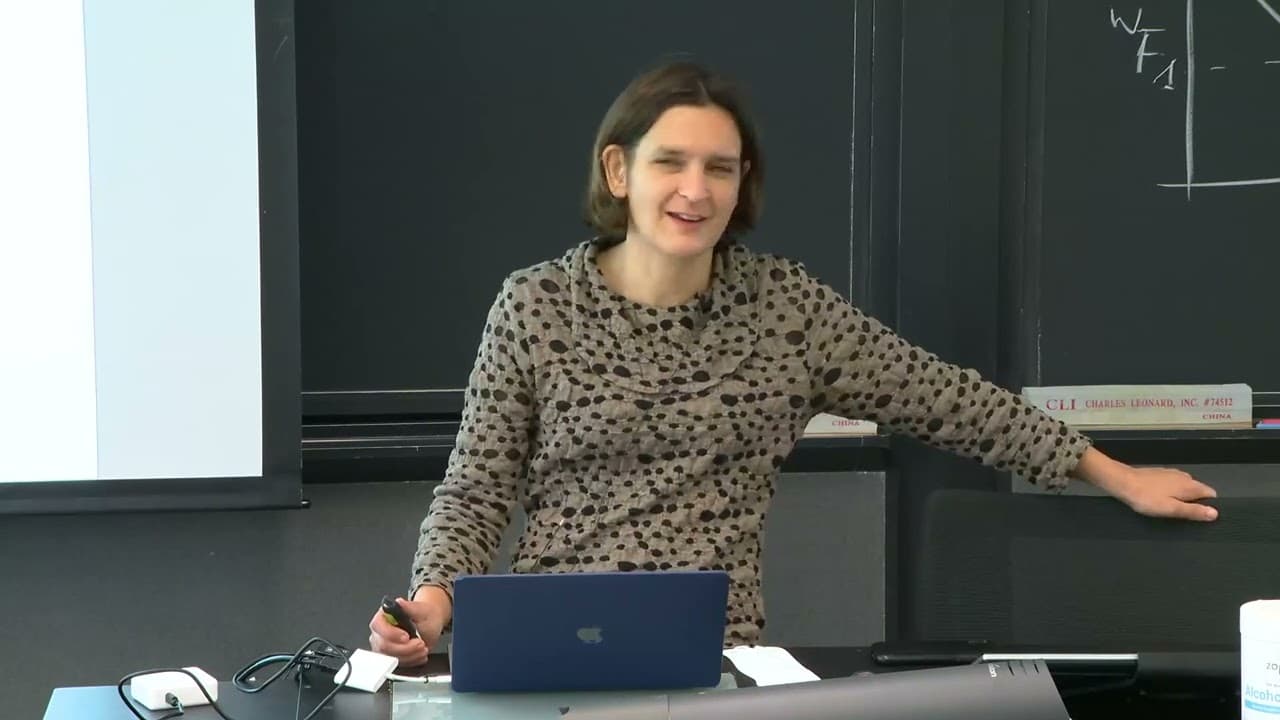
[SQUEAKING] [RUSTLING] [CLICKING] ESTHER DUFLO: So let's start with-- so I want to try to do two things today-- start with the neoclassical model and its implication and then move from the neoclassical model and its implication to a more behavioral model. Which-- both because this is pretty essential to understand savings-- as we will see, the neoc... Read More
Key Insights
- 😀 Neoclassical models suggest that individuals should save a significant portion of their income, especially the poor who face income instability.
- 👨💼 Experimental studies have shown the positive effects of savings accounts on businesses and consumption.
- 😘 However, the take-up of savings accounts remains low, and individuals often borrow at high interest rates instead.
Install to Summarize YouTube Videos and Get Transcripts
Explore YouTube Video Summarizer or Get YouTube Transcript Extractor
Questions & Answers
Q: Why do individuals often choose to borrow at high interest rates instead of saving?
There could be several reasons for this behavior. Some individuals may prioritize immediate consumption over future savings, while others may lack access to affordable savings options. Additionally, there may be a lack of financial education and awareness of the benefits of saving.
Q: Does the discount rate play a role in poor saving behavior?
Yes, the discount rate, or the rate at which individuals value present versus future consumption, can influence saving behavior. If individuals have a high discount rate, they may prioritize immediate consumption and not save enough for the future.
Q: Are there any other factors that could explain poor saving behavior?
Other factors that could contribute to poor saving behavior include lack of self-control, lack of income stability, and social norms around saving and borrowing. Financial constraints and limited access to savings options can also play a role.
Q: How can policymakers address the issue of poor saving behavior?
Policymakers can focus on increasing financial literacy and awareness of the benefits of saving. They can also work towards creating accessible and affordable savings options for all individuals, particularly the poor. Addressing income instability and promoting income-generating opportunities can also help individuals save more effectively.
Summary & Key Takeaways
-
Neoclassical models suggest that individuals should save a significant portion of their income to protect against future shocks and maintain stable consumption.
-
Experimental studies have shown that providing access to savings accounts can have positive effects on businesses and consumption.
-
However, the take-up of savings accounts remains low, and individuals continue to borrow at high interest rates.
Read in Other Languages (beta)
Share This Summary 📚
Summarize YouTube Videos and Get Video Transcripts with 1-Click
Try YouTube Summary with ChatGPT & Claude or YouTube Transcript Generator
Explore More Summaries from MIT OpenCourseWare 📚



Summarize YouTube Videos and Get Video Transcripts with 1-Click
Try YouTube Summary with ChatGPT & Claude or YouTube Transcript Generator