Detroit Industry Murals | Michigan Moment
TL;DR
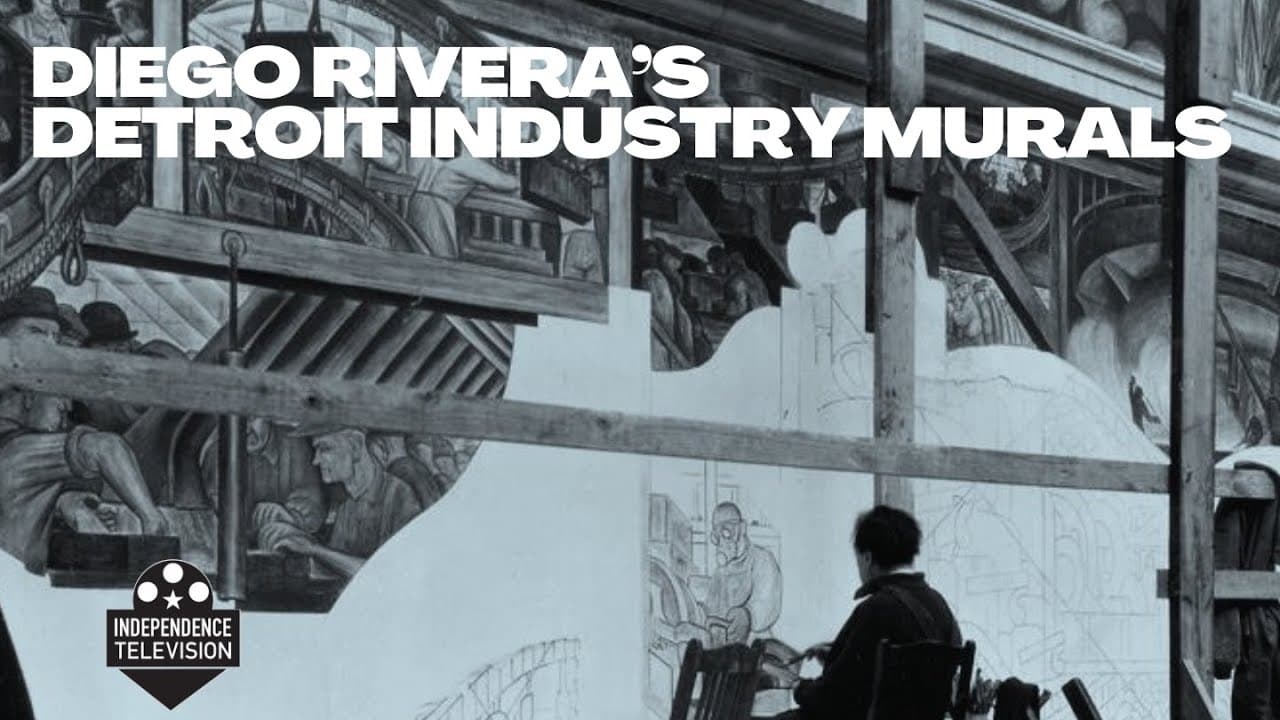
Diego Rivera's murals depict Detroit's industrial history amid controversy.
Transcript
if you visited the Detroit Institute of Arts there's a good chance you've seen it 27 hand painted frescos depicting a creation story of Mythic proportion all accumulating in what the artist saw as one of Humanity's greatest achievements the Detroit Auto industry but this piece was not always the celebrated work it is today s... Read More
Key Insights
- Diego Rivera's Detroit Industry Murals are a series of 27 hand-painted frescos that depict the evolution of humanity through industrial achievements, particularly focusing on the Detroit auto industry.
- The murals are located in the Detroit Institute of Arts' Central Garden Court, which has been renamed Rivera Court in honor of the artist.
- Rivera was commissioned in 1932 by DIA director Wilhelm Valentiner, with funding from Edsel Ford, to create a work that would honor Detroit and its industries.
- The murals incorporate elements of Aztec mythology, linking ancient creation myths with modern industrial and scientific developments.
- Rivera's work was controversial due to his Marxist views, leading to public debates and criticism from religious leaders and media outlets at the time.
- Despite initial backlash, the controversy surrounding the murals increased public interest, resulting in a significant rise in museum attendance and budget.
- The murals survived the McCarthy era, during which many of Rivera's works were destroyed, and are now recognized as a historic landmark.
- Today, the murals remain a celebrated and untampered feature of Detroit's cultural landscape, attracting numerous visitors to the museum.
Install to Summarize YouTube Videos and Get Transcripts
Explore YouTube Video Summarizer or Get YouTube Transcript Extractor
Questions & Answers
Q: What is depicted in Diego Rivera's Detroit Industry Murals?
Diego Rivera's Detroit Industry Murals depict the evolution of humanity through industrial achievements, focusing on the Detroit auto industry. The murals include scenes from the Ford Motor Company's River Rouge Plant, scientists producing vaccines, soldiers making weapons, and elements of Aztec mythology, linking ancient myths with modern advancements.
Q: Why were Rivera's murals controversial at the time of their completion?
Rivera's murals were controversial due to his outspoken Marxist views, which clashed with the political climate of the time. Religious leaders from Catholic and Episcopalian faiths condemned the work as blasphemous, and a Detroit news article labeled them as vulgar and un-American, sparking public debates and criticism.
Q: How did the controversy affect the Detroit Institute of Arts?
The controversy surrounding Rivera's murals led to increased public interest, resulting in over 10,000 people visiting the museum on a single Sunday. This surge in attendance prompted the city to increase the museum's budget, highlighting the impact of the murals on the museum's popularity and financial support.
Q: What steps did the DIA take to address the controversy of the murals?
To address the controversy, the Detroit Institute of Arts erected a sign providing context to the murals, acknowledging Rivera's detestable politics while emphasizing the significance of his work. The sign highlighted Rivera's appreciation for Detroit's industrial achievements and positioned the murals as a celebration of the city's contributions to the modern world.
Q: How did Rivera's murals survive the McCarthy era?
During the McCarthy era, when many of Rivera's works were destroyed or painted over due to his political views, the Detroit Industry Murals survived. The DIA's efforts to contextualize the murals and emphasize their artistic and cultural significance helped preserve them, allowing them to remain untampered and celebrated as a historic landmark.
Q: What is the significance of the Aztec mythology in the murals?
The inclusion of Aztec mythology in Rivera's murals serves to connect humanity's mythic beginnings with modern industrial and scientific achievements. By incorporating ancient creation myths, Rivera creates a narrative that links the past with the present, highlighting the continuity of human progress and the cultural influences that shape our modern world.
Q: Who commissioned Diego Rivera for the Detroit Industry Murals?
Diego Rivera was commissioned for the Detroit Industry Murals in 1932 by Wilhelm Valentiner, the director of the Detroit Institute of Arts. The commission was secured with a $20,000 contribution from Edsel Ford, son of automotive magnate Henry Ford, reflecting the desire to honor Detroit's industrial heritage through a significant artistic work.
Q: What impact did Rivera's murals have on Detroit's cultural landscape?
Rivera's murals have had a lasting impact on Detroit's cultural landscape, becoming a celebrated attraction that draws numerous visitors to the city. Recognized as a historic landmark, the murals highlight Detroit's industrial legacy and artistic achievements, contributing to the city's identity and cultural heritage, and showcasing its role in shaping modern industrial society.
Summary & Key Takeaways
-
Diego Rivera's Detroit Industry Murals are a series of 27 frescos at the Detroit Institute of Arts, depicting the evolution of humanity through industrial achievements, with a focus on the automotive industry. Commissioned in 1932, the murals incorporate Aztec mythology and modern industrial scenes.
-
Rivera's work was controversial due to his Marxist views, leading to public criticism and debates. Despite the backlash, the murals increased museum attendance and budget, and survived the McCarthy era to become a historic landmark.
-
Today, Rivera's murals are celebrated as a significant cultural and artistic achievement, attracting numerous visitors to Detroit. The murals remain untampered and are recognized for their historical and artistic value, showcasing Detroit's industrial legacy.
Read in Other Languages (beta)
Share This Summary 📚
Summarize YouTube Videos and Get Video Transcripts with 1-Click
Try YouTube Summary with ChatGPT & Claude or YouTube Transcript Generator