Why Is Reducing Antibiotics in Animal Farming Essential?
TL;DR
Reducing antibiotic use in animal farming is vital to combat antibiotic resistance, which could become the leading cause of death by 2050. With 50 to 80 percent of antibiotics used by animals, improving hygiene, nutrition, and the microbiome in agriculture can create healthier livestock and decrease risks to human health.
Transcript
Transcriber: Ivana Korom Reviewer: Krystian Aparta There was a time when simple infections were deadly, but now, thanks to the wide availability of antibiotics, this is merely a relic of the past. But actually, I should say "was," because nowadays, we're using antibiotics so much that the bacteria that cause these infections are becoming resistant.... Read More
Key Insights
- 💊 Antibiotic resistance is becoming a major problem worldwide, and if behavior doesn't change, it is predicted to be the biggest killer by 2050.
- 🐮 Animals use a significant amount of antibiotics, with 50 to 80 percent of all antibiotics being used by animals globally.
- 🐶 Antibiotic-resistant bacteria can be transmitted from pets to humans, posing a risk to human health.
- 🐖 Antibiotic-resistant salmonella in pigs can make its way into pork products, leading to thousands of human cases and deaths each year.
- 🌍 The European Union has taken steps to reduce antibiotic use in animal production, but it has also revealed issues with bad farm practices increasing the need for antibiotics.
- 🚰 Better hygiene practices and nutrition can help reduce antibiotic use in animal production, as well as improving the animals' microbiome.
- 💰 While antibiotic-free production may be slightly more expensive, it is a small price to pay for the health and well-being of humans and animals.
- 🌍 Reduction targets, market forces, and consumer awareness can all help drive the shift towards antibiotic-free animal production globally.
Install to Summarize YouTube Videos and Get Transcripts
Explore YouTube Video Summarizer or Get YouTube Transcript Extractor
Questions & Answers
Q: Why should we be concerned about antibiotic resistance?
Antibiotic resistance is a growing problem that can potentially make simple infections deadly again. If we do not change our behavior and reduce the use of antibiotics, it is predicted that antimicrobial resistance will become the single biggest killer by 2050.
Q: What is the significance of antibiotic use in animals?
Worldwide, 50 to 80 percent of all antibiotics are used by animals. Although not all of these antibiotics are critical for human health, it is still important to control their use. Excessive antibiotic use in animals can contribute to the development of antibiotic-resistant bacteria, which poses a risk to both humans and animals.
Q: How did antibiotic resistance increase in farm animals?
Large-scale antibiotic use in animal production began in the 1950s, when antibiotics were used to treat sick animals and promote their growth. This led to the discovery that small and regular doses of antibiotics could keep animals healthy and help them grow faster. However, the overuse of antibiotics in animals also resulted in the development of antibiotic resistance.
Q: Can antibiotic-resistant bacteria in farm animals affect human health?
Yes, antibiotic-resistant bacteria in farm animals can have an impact on human health. For example, there have been cases of antibiotic-resistant salmonella in pigs, and the antibiotic resistance can transfer to the final products such as pork chops or minced meat. This increases the risk of human salmonella cases and potential hospitalizations and deaths.
Q: How can we reduce antibiotic use in animal production?
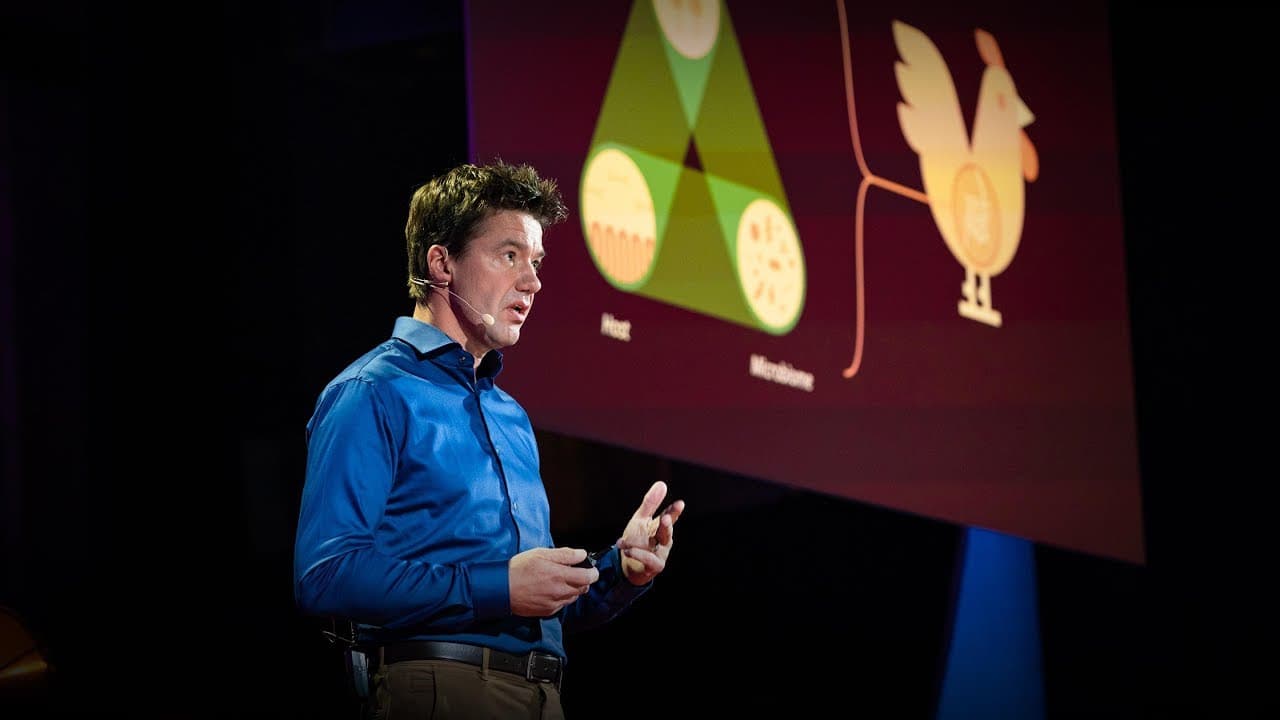
One approach is to improve hygiene in animal stables and drinking-water lines to prevent disease spread. Another important aspect is better nutrition for the animals, such as feeding them a well-balanced diet with enough fiber and coarser structure. Additionally, creating an environment that benefits beneficial bacteria and inhibits pathogens through microbiome manipulation can help make animals more resilient to diseases without the need for antibiotics.
Q: What role can the market play in reducing antibiotic use in animal production?
The market can play a significant role by offering antibiotic-reduced or antibiotic-free products. As consumer awareness about the issue grows, there will be a greater demand for these products, putting pressure on farmers to reduce antibiotic use. Additionally, reduction targets and legal limits can be set to ensure compliance with antibiotic reduction practices globally. Farmers also need support and resources to invest in better management and feeding practices to achieve these reductions.
Q: How can reducing antibiotic use benefit both humans and animals?
Reducing antibiotic use in animal production can have several benefits. It can help prevent the rise of antibiotic-resistant bacteria, which pose a threat to human health. It also improves the lives of animals by promoting better health, reducing stress, and creating a happier life overall. The small price of reducing antibiotic use is worth avoiding a future where bacterial infections become our biggest killer again.
Summary & Key Takeaways
-
Antibiotic resistance is becoming a major threat to human and animal health, with the UN predicting it to be the leading cause of death by 2050.
-
Animals use 50 to 80 percent of all antibiotics, some of which are critical for human health, leading to the spread of antibiotic-resistant bacteria.
-
The European Union has made progress in reducing antibiotic use in animal production through better hygiene, nutrition, and microbiome management, and other countries should follow suit.
Read in Other Languages (beta)
Share This Summary 📚
Summarize YouTube Videos and Get Video Transcripts with 1-Click
Try YouTube Summary with ChatGPT & Claude or YouTube Transcript Generator
Explore More Summaries from TED 📚






Summarize YouTube Videos and Get Video Transcripts with 1-Click
Try YouTube Summary with ChatGPT & Claude or YouTube Transcript Generator