Big Think Interview With Peter Thiel | Big Think
TL;DR
Markets and governments have challenges in encouraging long-term innovation, impacting technology, capitalism, and society.
Transcript
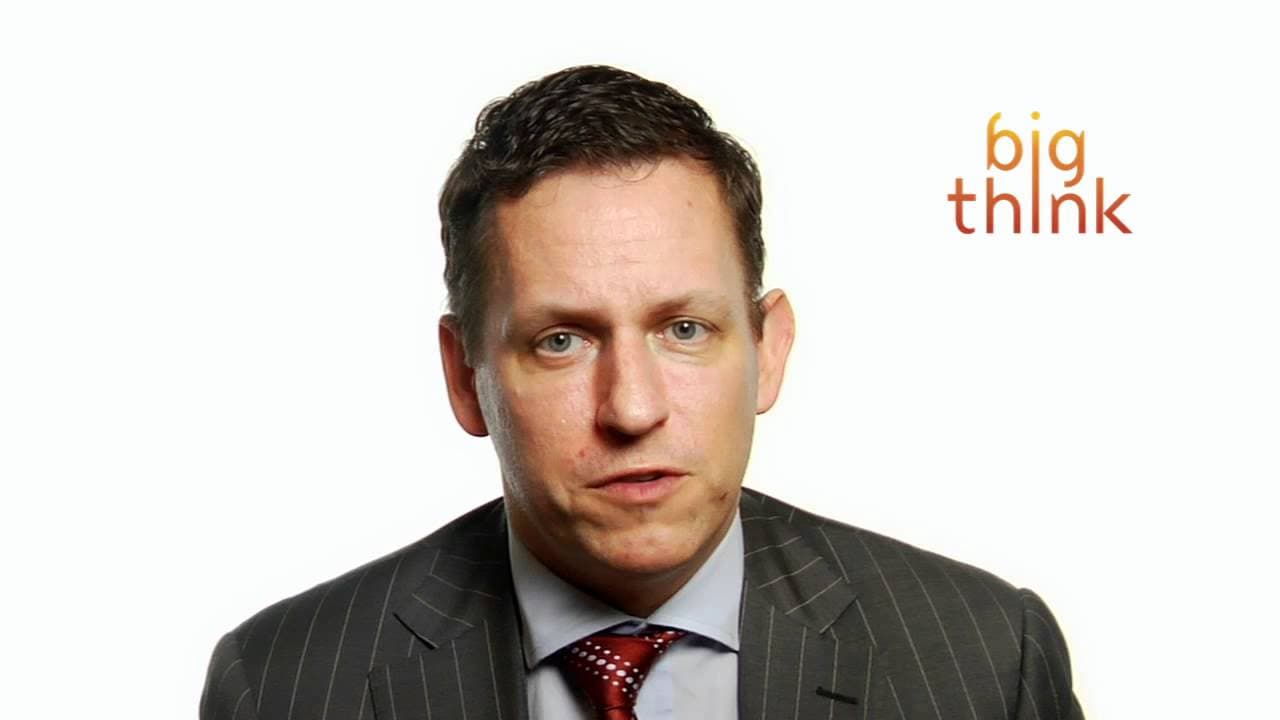
Question: Bill Gates believes that the free market fails to encourage innovation in areas where there’s a long timeframe. Do you agree? Peter Thiel: Well, I think that markets classically fail in cases where there are public goods that provide benefits that people cannot capture. The big debate is how big these public goods are, where they exist, t... Read More
Key Insights
- 🍉 Markets may struggle to incentivize long-term innovation in areas like basic science and mathematics.
- 🖐️ Governments play a crucial role in fostering technological progress to drive capitalist systems.
- 🛀 Entrepreneurship and risk-taking are essential for driving innovation and progress.
- ❓ Collaborative efforts in technology industries can result in shared success for stakeholders.
- 🍉 The societal shift towards prioritizing technological advancement is crucial for long-term prosperity.
- ❓ Regulatory challenges can inhibit technological progress, impacting sectors like healthcare and energy.
- 🧑🎓 Student debt and societal constraints may hinder entrepreneurial endeavors, necessitating a rethinking of education systems.
Install to Summarize YouTube Videos and Get Transcripts
Explore YouTube Video Summarizer or Get YouTube Transcript Extractor
Questions & Answers
Q: How do markets and governments struggle to encourage long-term innovation?
Thiel argues that markets often fail to value long-term endeavors like basic science, while governments may not be structurally equipped to support extended innovation efforts.
Q: What role does technological progress play in shaping capitalism?
Thiel asserts that technological advancement is crucial for driving capitalist systems, where progress leads to growth and shared benefits, while stagnation can result in a zero-sum situation.
Q: Why does Thiel advocate for risk-taking and entrepreneurship outside of traditional education systems?
Thiel believes that student debt and societal constraints hinder entrepreneurial endeavors, emphasizing the need for early risk-taking and innovation to drive progress.
Q: How does Thiel address the challenges faced by Eduardo Saverin in the context of capitalism?
Thiel suggests that the portrayal of capitalism as a zero-sum game in popular media overlooks the collaborative nature of technology industries, where all stakeholders can benefit from successful ventures like Facebook.
Summary & Key Takeaways
-
Peter Thiel discusses how markets and governments struggle to incentivize long-term innovation, especially in areas like basic science and mathematics.
-
He highlights the importance of technological progress in driving capitalist systems and the need for governments to focus on fostering innovation.
-
Thiel emphasizes the role of technology in shaping the future of capitalism and society, addressing regulatory challenges and the importance of risk-taking in entrepreneurship.
Read in Other Languages (beta)
Share This Summary 📚
Summarize YouTube Videos and Get Video Transcripts with 1-Click
Try YouTube Summary with ChatGPT & Claude or YouTube Transcript Generator
Explore More Summaries from Big Think 📚



Summarize YouTube Videos and Get Video Transcripts with 1-Click
Try YouTube Summary with ChatGPT & Claude or YouTube Transcript Generator