Lawless Longliners | Lawless Oceans
TL;DR
Illegal fishing practices like fish laundering evade detection, endangering global fisheries and economies.
Transcript
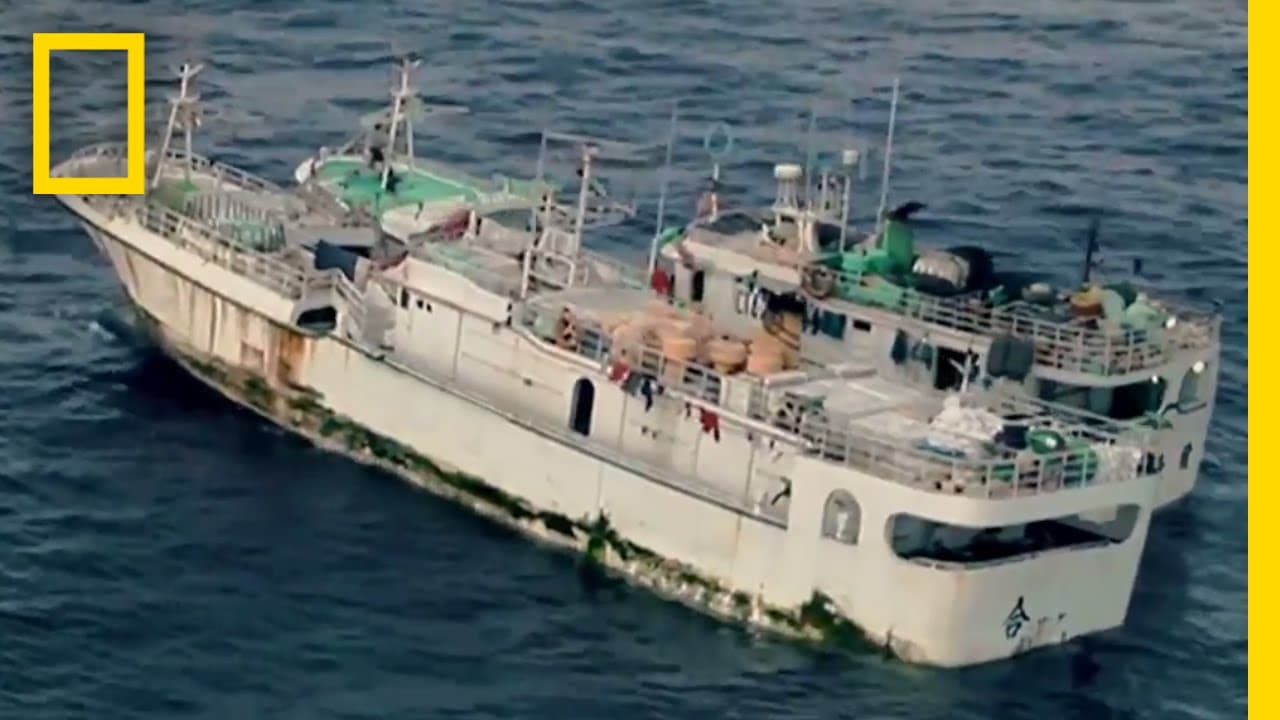
KARSTEN VON HOESSLIN: At this stage, I'd love to board a working Taiwanese longliner to see what they make of the murder videos. But they rarely come into Port Victoria, and they're not exactly keen to talk. Instead, I've been invited onto a local longliner. It's smaller than the Taiwanese ships. How's it going, gentlemen? But catches fish in the s... Read More
Key Insights
- 😋 Fish laundering on foreign longliners poses a significant threat to global fisheries, economies, and food security.
- 🚣 Local longliners adhere to strict monitoring, while foreign boats engage in illegal activities, evading regulations.
- 🖤 The lack of transparency on foreign longliners makes it challenging for authorities to detect and prevent illegal fishing practices effectively.
- 🎣 Illegal fishing practices like fish laundering cost billions annually, depleting the world's fisheries and threatening marine ecosystems.
- 👮 Strengthening maritime laws and regulations, enhancing monitoring mechanisms, and promoting international cooperation are essential to combat illegal fishing effectively.
- 🎣 The global economy and livelihoods depend on sustainable fishing practices, making it crucial to address illegal activities in the fishing industry.
- 🤩 Transparency and accountability are key in preventing illegal fishing practices and ensuring the sustainability of global fisheries.
Install to Summarize YouTube Videos and Get Transcripts
Explore YouTube Video Summarizer or Get YouTube Transcript Extractor
Questions & Answers
Q: How do foreign longliners evade detection while engaging in illegal fishing activities?
Foreign longliners transship their catch to escape detection, mixing illegal fish with legal ones to appear legitimate. This practice, known as fish laundering, allows them to bypass regulations and regulations effectively.
Q: What are the implications of illegal fishing on the global economy and food security?
Illegal fishing depletes global fisheries, costing billions of dollars annually. This not only affects economies but also threatens food security and livelihoods that depend on the oceans for sustenance.
Q: How are local longliners different from foreign boats in terms of monitoring and regulations?
Local longliners undergo strict monitoring and adhere to regulations closely, ensuring their catches are legal. In contrast, foreign boats engage in illegal activities, bypassing regulations and escaping detection.
Q: What steps can be taken to combat illegal fishing practices like fish laundering?
Strengthening maritime laws and regulations, implementing stricter monitoring mechanisms, and international cooperation are essential to combat illegal fishing activities like fish laundering effectively.
Summary & Key Takeaways
-
Karsten von Hoesslin explores the world of illegal fishing practices on longliners, revealing the hidden truth of fish laundering.
-
Local longliners adhere to strict monitoring, while foreign boats engage in illegal activities, evading regulations.
-
Fish laundering costs billions annually, depleting global fisheries and threatening livelihoods and food security.
Read in Other Languages (beta)
Share This Summary 📚
Summarize YouTube Videos and Get Video Transcripts with 1-Click
Try YouTube Summary with ChatGPT & Claude or YouTube Transcript Generator
Explore More Summaries from National Geographic 📚



Summarize YouTube Videos and Get Video Transcripts with 1-Click
Try YouTube Summary with ChatGPT & Claude or YouTube Transcript Generator