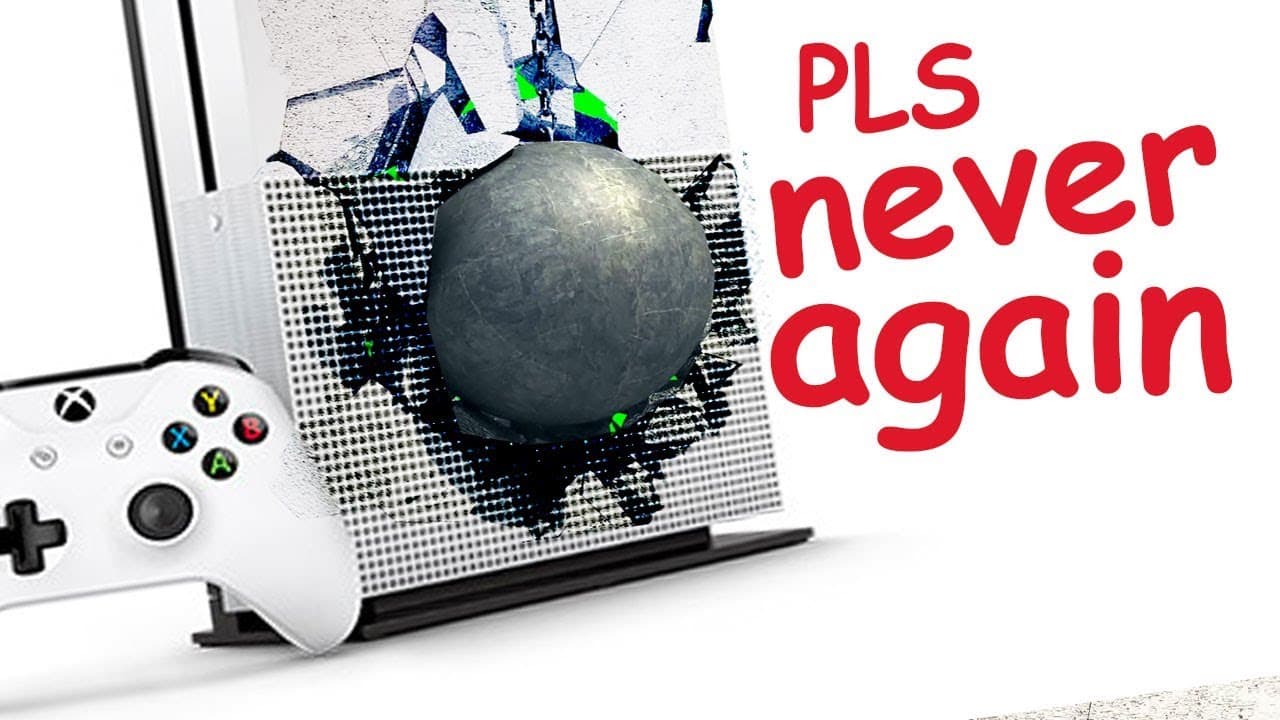
10 WORST Decisions Made By Console Makers
TL;DR
A rundown of the ten worst decisions by console makers, highlighting poor design choices and missed opportunities.
Transcript
there's a lot of debate about consoles pretty much all the time but some things are just bad hi folks its Falcon and today on game ranks the 10 worst decisions by console makers number 10 people hate that the iPhone doesn't have a headphone jack on it but the Gameboy Advance SP well did it first now Nintendo had a reason for it they claimed that it... Read More
Key Insights
- 🥺 Poor design choices, such as the Game Boy Advance SP's headphone jack incompatibility, can lead to user frustration and dissatisfaction.
- 👶 The transition to all-digital gaming was premature with devices like the PSP Go, highlighting the importance of consumer readiness for new technology.
- 🎮 Bundling incompatible games with consoles, like Mario Kart Wii with the Wii Mini, can mislead consumers and diminish perceived value.
- 🙌 Hardware decisions, such as choosing HD DVD over Blu-ray for the Xbox 360, can limit functionality and overall user experience.
- 🥡 Absence of features that are taken for granted in portable devices, such as backlighting, can critically undermine the usability of gaming consoles.
- 🙅 Poor design and usability issues, exemplified by the N-Gage's battery compartment, illustrate the importance of consumer-friendly products in ensuring market success.
- 💡 The Kinect's ambitious idea suffered from execution failures and market misalignment, showcasing the risks surrounding innovative technology in gaming.
Install to Summarize YouTube Videos and Get Transcripts
Explore YouTube Video Summarizer or Get YouTube Transcript Extractor
Questions & Answers
Q: Why was the headphone jack absence on the Gameboy Advance SP a bad decision?
The Gameboy Advance SP used the charging port for headphones, making it impossible to charge while listening to audio. This design flaw limited usability, especially for gamers wanting to play for extended periods or while traveling. Third-party dongles attempted to solve this issue, but their lack of standardization led to confusion and dissatisfaction among users.
Q: What was wrong with the PSP Go's all-digital approach?
The PSP Go's all-digital model faced backlash due to limited internal storage and inadequate internet accessibility. At the time of its release in 2009, gamers were not ready for a console that required downloads for games, particularly large titles. This digital-only strategy alienated many potential customers who preferred physical media.
Q: How did the Wii Mini fail with internet capabilities?
The Wii Mini was marketed without internet connectivity, which undermined its potential since it was bundled with Mario Kart Wii, a title celebrated for its online play. This omission was seen as a significant misstep, as buyers were unable to utilize the game's full capabilities, leading to disappointment and confusion surrounding its value.
Q: What were the issues surrounding the Xbox 360’s use of HD DVD?
The Xbox 360’s choice of HD DVD over Blu-ray was primarily due to competitive reasons, as Sony owned the Blu-ray format. Unfortunately, HD DVD had inferior storage capacity, which frequently inconvenienced gamers who encountered multiple disc installations, while the PS3's use of Blu-ray enhanced its gaming and media capabilities significantly.
Q: Why was the absence of a backlight on the Game Boy Advance criticized?
The lack of a backlight on the Game Boy Advance was particularly frustrating for users given the advancements in portable gaming screens. With previous handheld versions featuring backlights, such as the Game Boy Light, consumers expected the same functionality. This oversight made gaming difficult in low-light situations, impacting user experience negatively.
Q: What led to the failure of Nokia's N-Gage?
The design of the Nokia N-Gage, particularly the necessity to remove the back cover to change game cards, created a user-unfriendly experience. This baffling decision damaged its reputation from the outset, and poor word-of-mouth advertising severely hindered its success. While later models addressed this issue, initial impressions were devastating.
Q: Was the Kinect a total failure for Xbox?
While the Kinect had redeeming features and a unique concept, its launch and subsequent decline were marked by poor execution and strategic missteps. Microsoft’s decision to integrate Kinect with consoles and the confusing transition to USB resulted in detachment from consumers, leaving many disinterested in the product despite its potential.
Q: What were the shortcomings of the Virtual Boy?
The Virtual Boy is infamous for its uncomfortable design, limited color palette of red and black, and misleading marketing as a virtual reality device. With only a handful of games and an experience that often left users feeling sick, its release is widely considered one of the worst decisions in gaming history, ultimately leading to its quick demise.
Summary & Key Takeaways
-
The video discusses the ten worst decisions made by console manufacturers, including notable failures like the Virtual Boy and PSP Go.
-
Key issues highlighted are poor hardware choices, restrictive designs that lost functionality, and poor handling of media formats in gaming consoles.
-
Each example illustrates how these decisions negatively impacted consumer experience and console success, leading to long-lasting repercussions in the gaming industry.
Read in Other Languages (beta)
Share This Summary 📚
Summarize YouTube Videos and Get Video Transcripts with 1-Click
Try YouTube Summary with ChatGPT & Claude or YouTube Transcript Generator
Explore More Summaries from gameranx 📚






Summarize YouTube Videos and Get Video Transcripts with 1-Click
Try YouTube Summary with ChatGPT & Claude or YouTube Transcript Generator