Discussing a Safe Return to On-site Work on This Week @NASA – May 8, 2020
TL;DR
NASA discusses the approach to increasing on-site work, prepares for Artemis I launch, and reveals new findings from an Earth-observing mission.
Transcript
Discussing the approach to increasing on-site work … The launch pad is ready for Artemis I … And new findings from an Earth-observing mission … a few of the stories to tell you about – This Week at NASA! During a virtual “Ask the Administrator” town hall on May 6, NASA Administrator Jim Bridenstine and other agency leaders spoke about NASA’s approa... Read More
Key Insights
- 💦 Safety is the top priority for NASA as on-site work gradually increases.
- 🚀 Upgrades and modifications to Launch Pad 39B enable its support for the massive Space Launch System rocket and Orion spacecraft for the Artemis I mission.
- 🤢 Ice loss from Antarctica and Greenland has contributed significantly to sea-level rise between 2003 and 2019.
- 👨🔬 Claire Parkinson's research on changing sea ice coverage in the Arctic and Antarctic oceans has led to her recognition as a finalist for the Samuel J. Heyman Service to America Medal.
- 🤗 The global Space Apps COVID-19 Challenge invites participants to propose solutions to COVID-19-related challenges using open data.
Install to Summarize YouTube Videos and Get Transcripts
Explore YouTube Video Summarizer or Get YouTube Transcript Extractor
Questions & Answers
Q: What is NASA's priority when considering the increase of on-site work?
The safety of NASA's workforce is the highest priority during the gradual transition back to on-site work. This approach ensures a careful and methodical process that ensures the well-being of all employees.
Q: What is the purpose of the upgrades and modifications to Launch Pad 39B?
The upgrades and modifications to Launch Pad 39B at Kennedy Space Center aim to enable it to support the massive Space Launch System rocket and Orion spacecraft for the Artemis I mission. This mission plays a crucial role in NASA's lunar exploration goals.
Q: What findings did the ICESat-2 mission reveal about ice loss and sea-level rise?
Data from ICESat-2 showed that the combined ice loss from Antarctica and Greenland contributed to more than half an inch of sea-level rise between 2003 and 2019. On average, each year, both regions lost enough ice to fill 400,000 Olympic-sized swimming pools multiple times.
Q: How is NASA climate scientist Claire Parkinson being recognized for her work?
Claire Parkinson, a NASA climatologist and author, has been named a finalist for the 2020 Samuel J. Heyman Service to America Medal. She is being recognized for her breakthrough scientific research on the impact of changing sea ice coverage on climate change in the Arctic and Antarctic oceans.
Summary & Key Takeaways
-
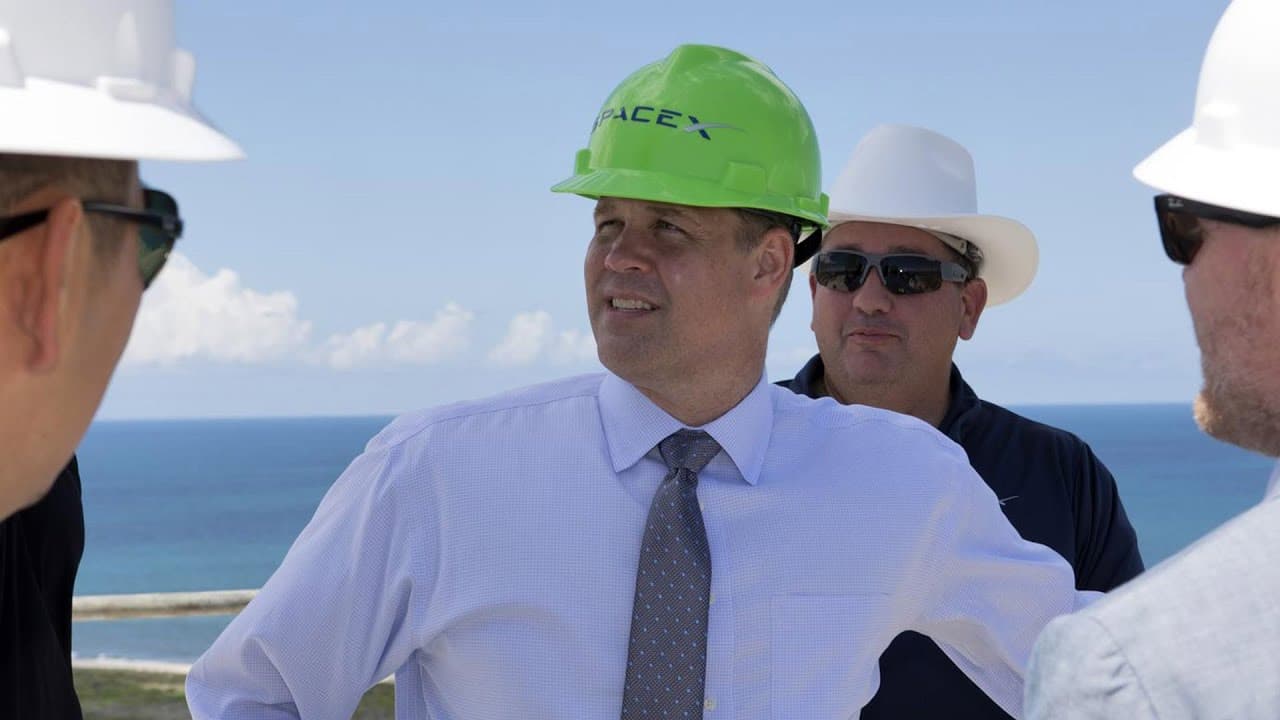
NASA Administrator Jim Bridenstine emphasizes the safety and careful transition back to on-site work, ensuring the well-being of the agency's workforce.
-
Launch Pad 39B at Kennedy Space Center is upgraded to accommodate the Space Launch System rocket and Orion spacecraft for the uncrewed Artemis I mission.
-
Data from ICESat-2 reveals the significant ice loss from Antarctica and Greenland, contributing to sea-level rise. Greenland and Antarctica lost enough ice to fill 400,000 Olympic-sized swimming pools annually.
Read in Other Languages (beta)
Share This Summary 📚
Summarize YouTube Videos and Get Video Transcripts with 1-Click
Try YouTube Summary with ChatGPT & Claude or YouTube Transcript Generator
Explore More Summaries from NASA 📚

Summarize YouTube Videos and Get Video Transcripts with 1-Click
Try YouTube Summary with ChatGPT & Claude or YouTube Transcript Generator