The Past is a Foreign Country - Christopher Hogwood
TL;DR
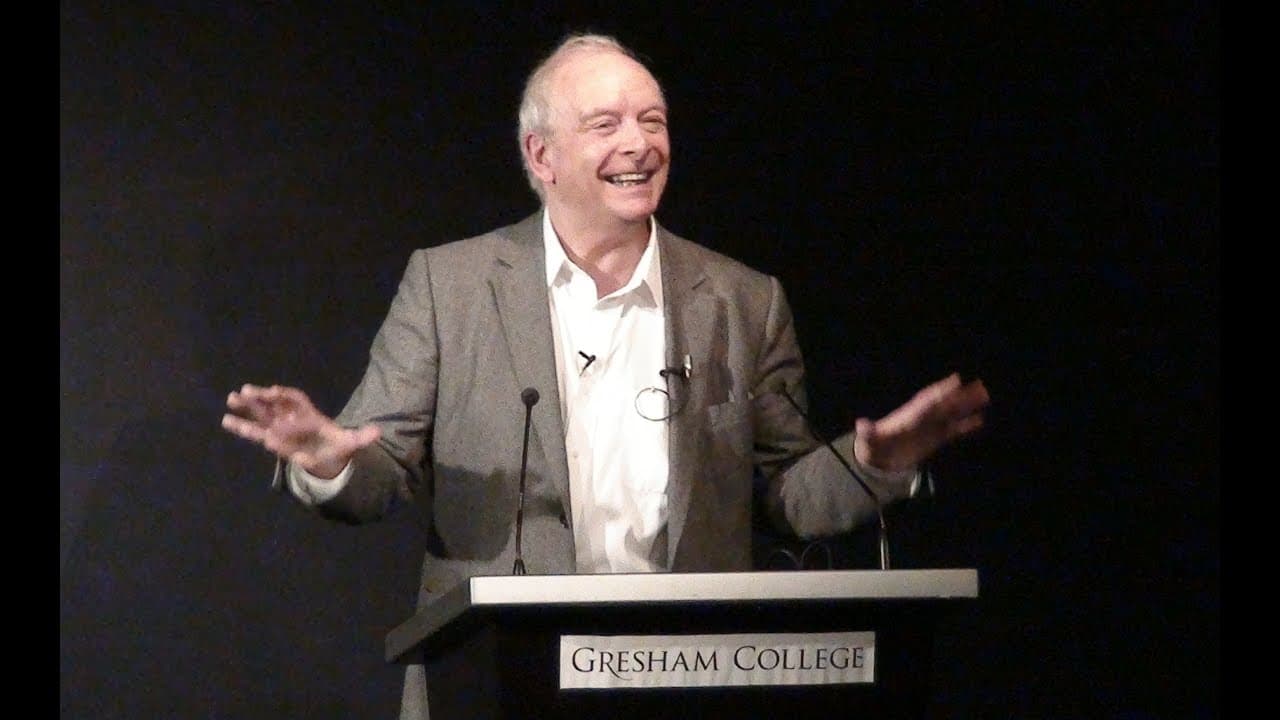
This content discusses the relationship between performance and musicology, highlighting the importance of interpretation and authenticity in both fields.
Transcript
but for day today I thought it was probably best I introduced myself um amplifying a little bit the very nice remarks that had been made already but explaining where I stand um VAV musical literature history performance reception your part in the process and so on you usually if a journalist asks me how I spend my time I will say that I'm 50% a per... Read More
Key Insights
- ❓ The roles of performer and musicologist are interconnected and cannot be separated.
- 🛟 Interpretation is crucial in both musicology and performance to understand and bring the music to life.
- 🎼 Authenticity in historical music is subjective and depends on the performer's ability to convince the audience.
- 🎼 Recreating music involves interpreting historical evidence and balancing details, imagination, and personal interpretation.
- 👻 The ability to compare and contrast historical recordings allows for a deeper understanding of interpretation and historical performance practices.
- 🖐️ Private music-making at home played a significant role in the past and should be encouraged and valued.
- 👻 Arrangements can provide valuable insights into a composer's intentions and allow for different ways of experiencing music.
Install to Summarize YouTube Videos and Get Transcripts
Explore YouTube Video Summarizer or Get YouTube Transcript Extractor
Questions & Answers
Q: How does the speaker balance their roles as a performer and musicologist?
The speaker states that they consider themselves 50% performer and 50% musicologist, as the two roles are interconnected and cannot be separated. They believe that their ideal is to juggle both roles and keep them available at all times.
Q: What is the importance of interpretation in musicology and performance?
Interpretation plays a significant role in both musicology and performance. In musicology, interpretation involves analyzing historical evidence, ancient instruments, and notations to understand the composer's intentions. In performance, interpretation allows the performer to bring the music to life and make it enjoyable for the audience.
Q: How does the concept of authenticity apply to historical music?
The speaker is suspicious of the term authenticity when applied to historical music. They argue that since most people today perform historical music, it is challenging to determine what is truly authentic. Authenticity depends on the performer's ability to convince the audience and faithfully represent the composer's intentions.
Q: How does the speaker view the process of recreating music?
The speaker compares the process of recreating music to cookery. They believe that performers and musicologists must interpret historical evidence to recreate the music. They acknowledge that mistakes can be made but emphasize the importance of balancing details, imagination, and personal interpretation.
Summary & Key Takeaways
-
The speaker introduces themselves as both a performer and musicologist, emphasizing that the two roles cannot be separated and must coexist.
-
They explain that interpretation is a crucial aspect of both musicology and performance, as they involve analyzing historical evidence and balancing fact and imagination.
-
The speaker discusses the concept of authenticity in relation to historical music and argues that it is subjective and dependent on the performer's ability to convince the audience.
Read in Other Languages (beta)
Share This Summary 📚
Summarize YouTube Videos and Get Video Transcripts with 1-Click
Try YouTube Summary with ChatGPT & Claude or YouTube Transcript Generator
Explore More Summaries from Gresham College 📚


Summarize YouTube Videos and Get Video Transcripts with 1-Click
Try YouTube Summary with ChatGPT & Claude or YouTube Transcript Generator