Invest Now or Wait for Another Crash in the Stock Market? U.S. Economic Indicator Analysis
TL;DR
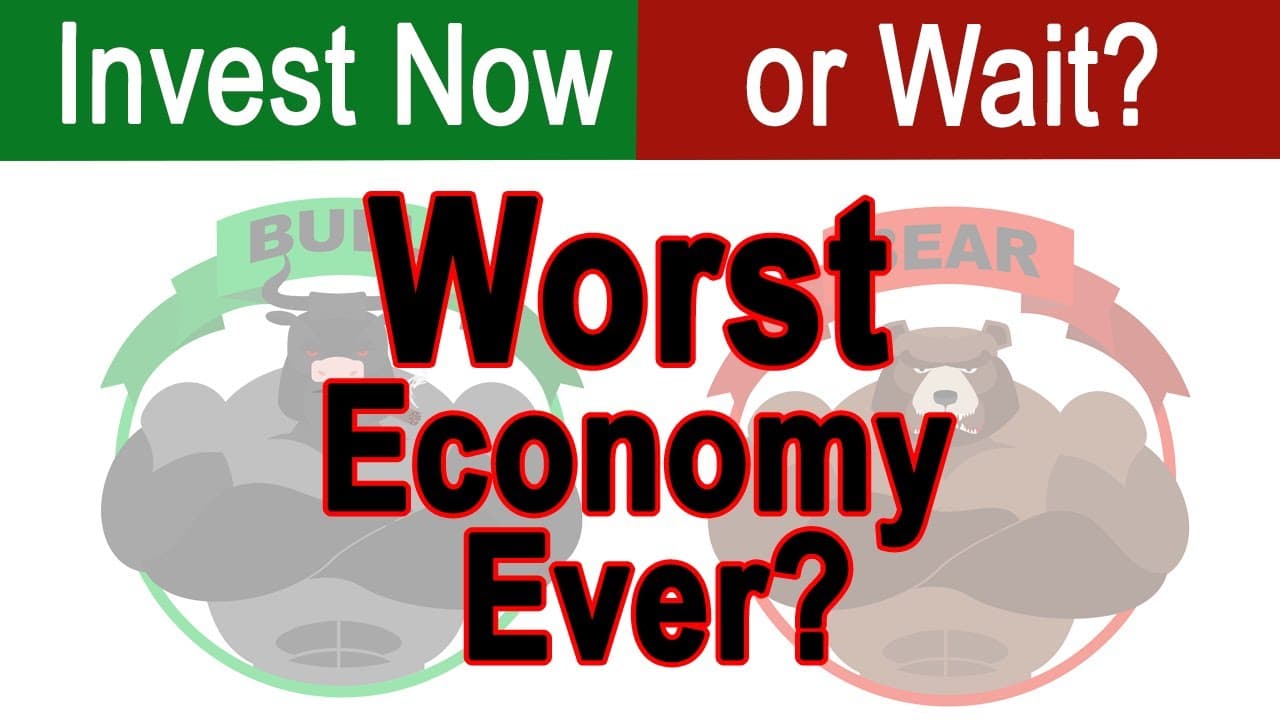
This video analyzes various economic indicators to determine the current state of the U.S economy and provides insights on whether to invest now or wait for a stock market crash.
Transcript
hi i'm jimmy in this video we're going to walk through a quick review of where the u.s economy stands our goal with this video is to see if we can use different economic indicators to try to objectively gauge where the economy stands today and then we want to use that information to see if we can answer the question should we invest now or wait for... Read More
Key Insights
- 🧑⚕️ Economic indicators, such as the Baltic Dry Index and ISM Manufacturing Index, provide valuable insights into the health of the manufacturing sector and the broader economy.
- ☠️ High initial jobless claims and unemployment rates showcase the negative effects of the pandemic on the job market.
- 🖐️ Consumer confidence levels play a significant role in determining the performance of the stock market.
- ☠️ The Federal Reserve's involvement in interest rates requires further analysis to evaluate its impact on the economy.
- 💁 The decline in U.S GDP, though significant, is often presented in an annualized and adjusted form, which might skew the perception of the actual decline.
- 💰 Individual investing strategies can vary, including opportunistic investing, dollar-cost averaging, and speculating on stock market crashes.
Install to Summarize YouTube Videos and Get Transcripts
Explore YouTube Video Summarizer or Get YouTube Transcript Extractor
Questions & Answers
Q: How does the Baltic Dry Index reflect the state of the manufacturing industry and the broader economy?
The Baltic Dry Index, which measures the cost of shipping raw materials, provides insights into the manufacturing industry's demand. The initial decrease during the coronavirus shutdown was followed by a slight increase and recent pullback, indicating an uncertain trend.
Q: What does the ISM Manufacturing Index indicate about the U.S economy?
The ISM Manufacturing Index measures the growth of the manufacturing sector. A reading above 50 suggests growth, which is positive for the overall economy. Recent data shows a jump above 50, indicating signs of strength.
Q: How do initial jobless claims and unemployment rates impact the economy?
High initial jobless claims and unemployment rates reflect a negative impact on the economy. These indicators suggest a significant loss of jobs, which can affect consumer spending, overall demand, and economic growth.
Q: How does consumer confidence influence the stock market and the economy?
Consumer confidence plays a crucial role in the stock market and the economy. High consumer confidence levels often contribute to a bullish market, while low consumer confidence can have a negative effect. The decrease in consumer confidence is seen as a bearish sign for the economy.
Q: What is the significance of the Federal Reserve's involvement in interest rates?
The Federal Reserve's manipulation of interest rates affects borrowing and lending between banks. It is considered a neutral factor since further analysis is required to determine its precise impact on the stock market and the economy.
Q: How accurate is the presented decline in U.S GDP?
The presented decline in U.S GDP, showcasing a loss of a third of the economy's value, is not an accurate representation. Quarterly numbers are annualized and adjusted for seasonality. The actual decline was less than 10%, still considerable but not as drastic as the presented figure.
Summary & Key Takeaways
-
The Baltic Dry Index, which measures the cost of shipping raw materials, shows an initial decrease during the coronavirus shutdown, followed by a slight increase and recent pullback. The overall trend is uncertain.
-
The ISM Manufacturing Index, indicating growth in the manufacturing sector, suggests positive signs for the economy, as it shows a jump above 50.
-
Initial jobless claims and unemployment rates are high, indicating a negative impact on the economy.
-
Housing starts show a slight increase, but it is too early to determine if it is a bullish move.
-
Consumer confidence has decreased, which could have a negative effect on the economy.
-
The Federal Reserve's involvement in interest rates is seen as a neutral factor, requiring further analysis.
-
U.S GDP has experienced a significant decline, although the presented numbers are annualized and adjusted for seasonality.
Read in Other Languages (beta)
Share This Summary 📚
Summarize YouTube Videos and Get Video Transcripts with 1-Click
Try YouTube Summary with ChatGPT & Claude or YouTube Transcript Generator
Explore More Summaries from Learn to Invest - Investors Grow 📚





Summarize YouTube Videos and Get Video Transcripts with 1-Click
Try YouTube Summary with ChatGPT & Claude or YouTube Transcript Generator