Your Body Parts and the Law
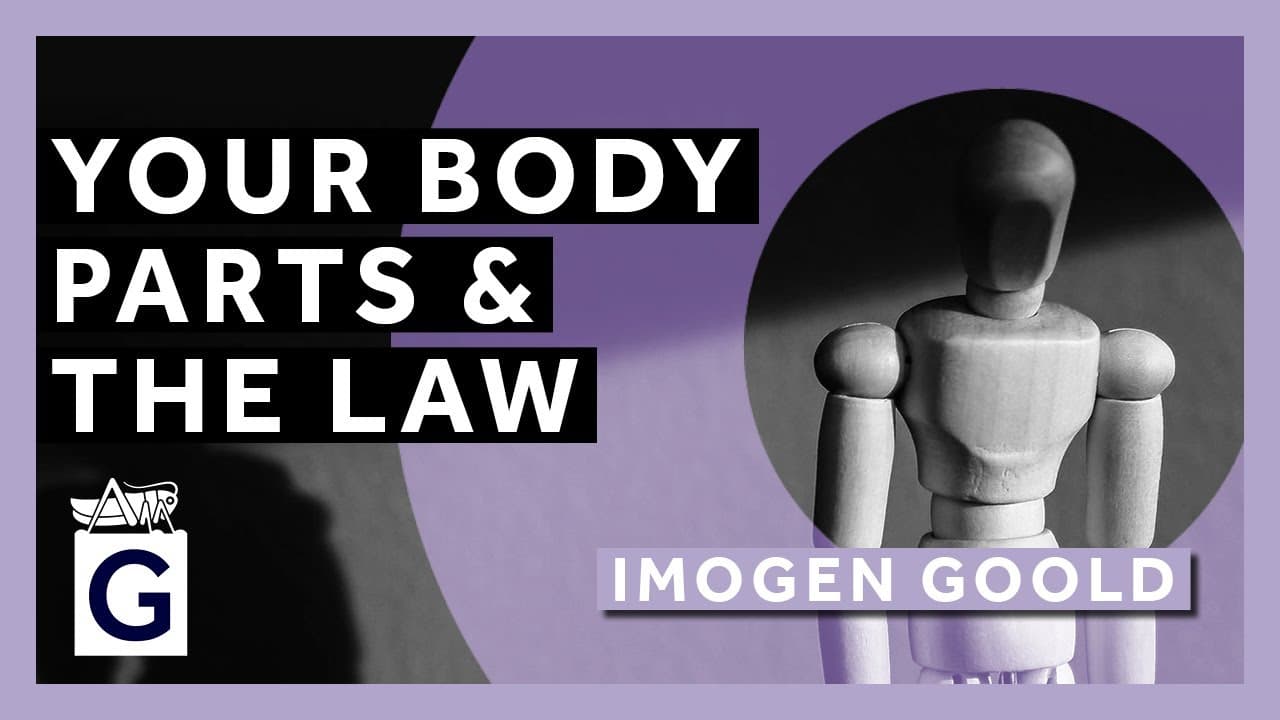
TL;DR
The legal ownership of body parts is a complex and controversial issue with implications for medical research, forensic investigations, organ transplantation, and artistic uses of human remains.
Transcript
- Hello, welcome to today's lecture. I'm Imogen Goold, I am a professor in medical law at the University of Oxford, and I'm going to talk to you today about your body parts and the law, and specifically, do you own your own body parts, and should you. You might be thinking, why is the question of whether, body parts one that anyone would ever ask, ... Read More
Key Insights
- 😒 The ownership of body parts is a complex and controversial legal issue with implications for medical research, organ transplantation, forensic investigations, and artistic uses of human remains.
- 🗯️ Current laws and court cases demonstrate the need for clear ownership rights to protect individuals' rights, promote responsible research and organ donation practices, and address ethical concerns.
- 😒 Balancing the rights of individuals with the public interest and ethical considerations is essential in defining the ownership and use of body parts.
Install to Summarize YouTube Videos and Get Transcripts
Explore YouTube Video Summarizer or Get YouTube Transcript Extractor
Questions & Answers
Q: Why is the ownership of body parts a significant legal issue?
The ownership of body parts is crucial in determining individuals' rights over their own genetic information, the use of their body parts in medical research, and the allocation of organs for transplantation.
Q: How does the law address the ownership of body parts?
The law relies on principles of possession and control, often treating body parts as property. However, the question of whether body parts can be owned is subject to ongoing debate and may vary depending on jurisdiction.
Q: What are some challenges related to the ownership of body parts?
Challenges include determining the boundaries of ownership, balancing individual rights with the public interest in medical research and organ transplantation, and addressing ethical concerns surrounding the commodification of body parts.
Q: What are the implications of the ownership of body parts for medical research and organ transplantation?
Clear ownership rights can provide incentives for individuals to donate their body parts for research and transplantation. However, ethical considerations and regulations are necessary to prevent the exploitation of vulnerable individuals and ensure informed consent.
Q: How does the ownership of body parts impact artistic uses of human remains?
Legal debates arise when artists use body parts in their work, as it raises questions about respect for the deceased and the commodification of human remains. The law must balance artistic freedom with ethical considerations.
Q: What is the role of consent in determining the ownership of body parts?
Consent plays a significant role in determining who has the right to possess and use body parts. While laws and regulations aim to protect individuals' autonomy and consent, challenges remain in ensuring informed consent and protecting vulnerable populations.
Summary & Key Takeaways
-
The question of whether individuals own their own body parts is legally significant due to its impact on medical research, organ transplantation, and forensic investigations.
-
The value and uses of body parts have expanded with medical advancements such as transplantation and DNA testing.
-
Current laws and court cases demonstrate the necessity for defining the ownership and control of body parts to protect individuals' rights and promote ethical practices.
Read in Other Languages (beta)
Share This Summary 📚
Summarize YouTube Videos and Get Video Transcripts with 1-Click
Try YouTube Summary with ChatGPT & Claude or YouTube Transcript Generator
Explore More Summaries from Gresham College 📚

Summarize YouTube Videos and Get Video Transcripts with 1-Click
Try YouTube Summary with ChatGPT & Claude or YouTube Transcript Generator