My Journey With Bharatanatyam | Paridhi Agrawal | TEDxYouth@JBCNBorivali
TL;DR
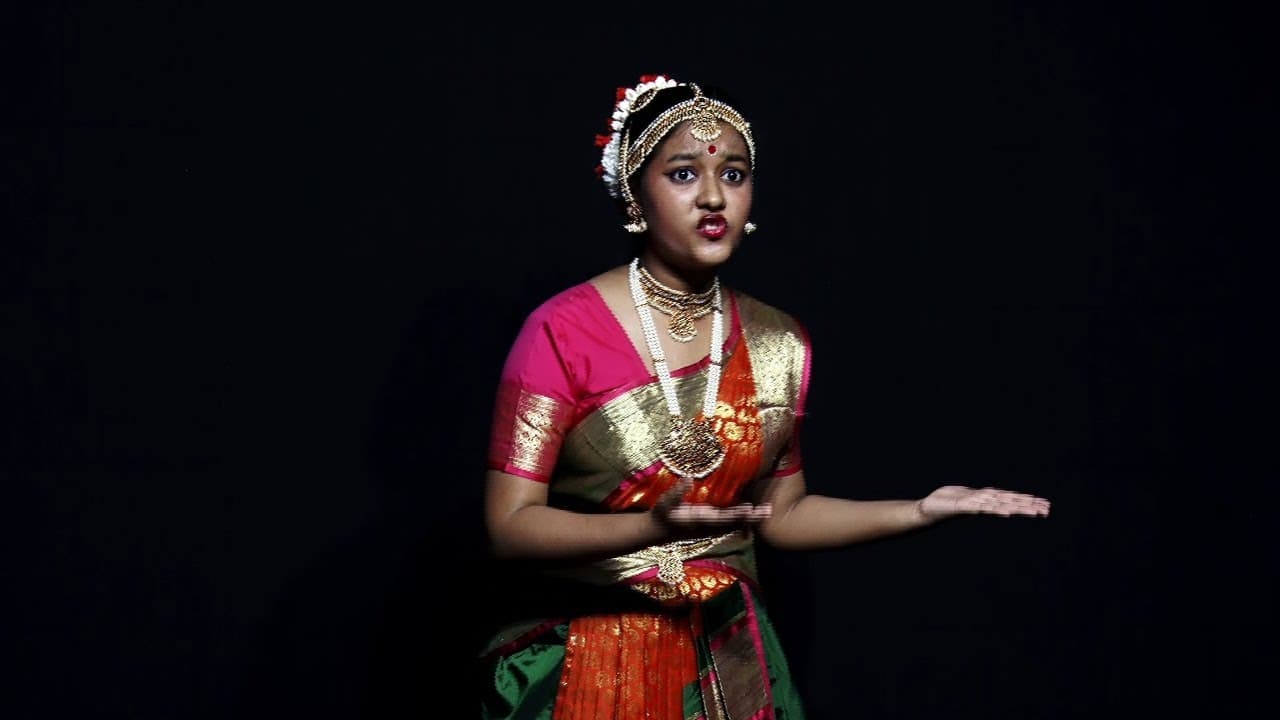
This content is a reflection on the author's dance journey, from her first rehearsals to her arangetram performance, highlighting the challenges and growth she experienced.
Transcript
I still remember my very first stting gates from rehearsal it was the first class I had had that was only my teacher and I and I was very nervous about it since for the last 7 years I had been dancing in a group of three the class was in my bedroom with a glaringly bright sun and a fan that did nothing to quell the excruciating Mumbai heat or my ne... Read More
Key Insights
- 💃 Dance training often starts with group performances but transitions into solo rehearsals for important events like the arangetram.
- 👨🎨 The physical pain experienced during early practice sessions can be intense but strengthens the dancer's perseverance and dedication.
- 💃 Balancing dance commitments with academic responsibilities can be challenging and stressful.
- 😑 The significance of specific gestures and expressions in Bharatanatyam adds depth and storytelling to the dance form.
- 🧑🏭 The author's arangetram performance involved portraying characters and acting out a lengthy story, requiring extensive preparation and memorization.
- 🤳 Over the years, the author gained a deep understanding of posture, self-presentation, and the fusion of language and dance as expressive tools.
- 👻 Dance provides a sense of presence and escape, allowing the author to immerse herself in a world of imagination.
Install to Summarize YouTube Videos and Get Transcripts
Explore YouTube Video Summarizer or Get YouTube Transcript Extractor
Questions & Answers
Q: How did the author feel during their first solo rehearsal?
The author was extremely nervous but also excited about the new challenge of dancing solo, having previously danced in a group for seven years. They recall the intense heat in the rehearsal room adding to their anxiety.
Q: What is the significance of "namaskar" in dance?
"Namaskar" is a traditional way to start any dance practice, performance, or even a casual dance session. It is a gesture of respect and acknowledgment of the art form and the audience.
Q: What is "aramandi" in Bharatanatyam?
"Aramandi" or "aatam mandalam" is a pose in Bharatanatyam where the dancer forms a half-sitting position with a bent knee. This pose requires strength and flexibility in the legs but can cause discomfort and pain, especially during initial training.
Q: How did the author balance dance practice and academic responsibilities?
The author dedicated a significant amount of time to dance practice, often waking up early on Saturdays for long sessions. This commitment sometimes resulted in missing school, adding stress to the already demanding academic schedule.
Summary & Key Takeaways
-
The author recalls their nervousness during their first solo dance class and how it marked the beginning of their preparation for the important arangetram event.
-
They reminisce about the physical pain they endured during their early years of dance practice and how it shaped their dedication.
-
The author describes the stress and pressure they felt leading up to their arangetram, balancing school tests with the desire for a perfect performance.
Read in Other Languages (beta)
Share This Summary 📚
Summarize YouTube Videos and Get Video Transcripts with 1-Click
Try YouTube Summary with ChatGPT & Claude or YouTube Transcript Generator
Explore More Summaries from TEDx Talks 📚
Summarize YouTube Videos and Get Video Transcripts with 1-Click
Try YouTube Summary with ChatGPT & Claude or YouTube Transcript Generator