Safari Live - Day 170 | National Geographic
TL;DR
Live coverage of a safari with updates on elusive leopards, diverse wildlife sightings, and engaging viewer interactions.
Transcript
this program features live coverage of an African safari and may include animal kills and caucuses viewer discretion is advised well good afternoon everybody once again and welcome aboard on the sunset Safari my name is Ralph Kirsten and on the bushwalk camera this afternoon I've got Craig with me how's it Craig and hi to all of you please don't fo... Read More
Key Insights
- 👣 Animal tracks reveal recent wildlife movements, aiding in tracking elusive leopards like Tandy and Columba.
- 🍄 Lichen symbiosis showcases unique relationships in nature between algae and fungus for survival and growth.
- 🌱 Grass species identification highlights diverse ecosystems and adaptations in plant communities.
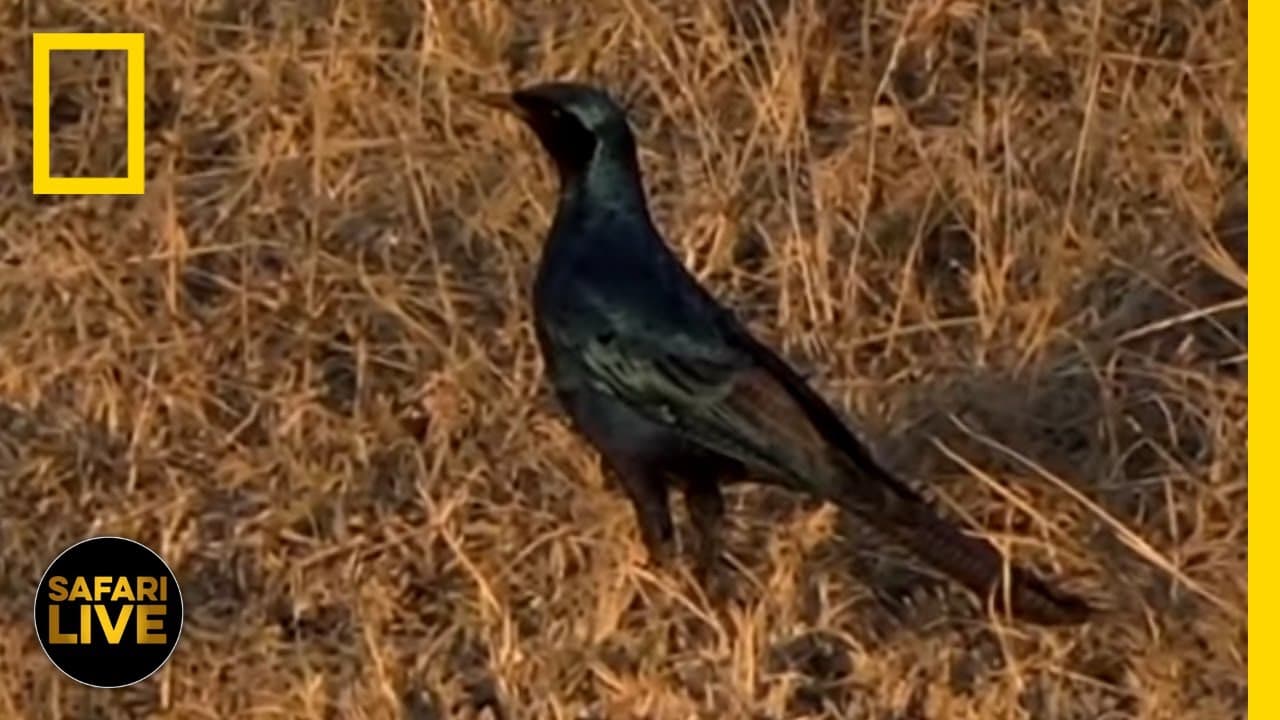
- 🐘 Wildlife observations of elephants, birds, and antelopes illustrate diverse fauna interactions and habitat usage.
- 🌱 Environmental clues like soil types and plant compositions offer insights into the safari region's ecological dynamics.
- 🐦 Educational content on bird species adaptations and safety strategies in herds showcases biodiversity significance.
- ❓ Viewer engagement and interactive safari updates enhance wildlife enthusiasts' experience and learning opportunities.
Install to Summarize YouTube Videos and Get Transcripts
Explore YouTube Video Summarizer or Get YouTube Transcript Extractor
Questions & Answers
Q: Why are antelopes mostly found in herds?
Antelopes typically move in herds for safety in numbers to detect predators early and share food resources efficiently.
Q: How do bird adaptations, like hornbills, differ from other species in hunting and feeding behaviors?
Hornbills possess unique abilities for ground foraging and adaptations in beak structure, allowing feeding on various prey types compared to other bird species.
Q: What influences the lifespan of male vs. female leopards in their natural habitat?
Male leopards have shorter lifespans due to increased territorial conflicts and mating competition, while females generally live longer without such challenges.
Q: How do environmental factors like granite influence soil conditions and plant growth in the safari region?
Granite formations create sandy acidic soils, affecting plant species abundance and diversity in the area, influencing animal habitat preferences.
Summary & Key Takeaways
-
Safari team tracks elusive leopards Tandy and Columba in the area with hopes of a sighting.
-
Diverse wildlife observations include mongoose, hornbill, lizard, and elephant tracks.
-
Educational insights on plant life like lichen symbiosis and grass species during the drive.
Read in Other Languages (beta)
Share This Summary 📚
Summarize YouTube Videos and Get Video Transcripts with 1-Click
Try YouTube Summary with ChatGPT & Claude or YouTube Transcript Generator
Explore More Summaries from National Geographic 📚



Summarize YouTube Videos and Get Video Transcripts with 1-Click
Try YouTube Summary with ChatGPT & Claude or YouTube Transcript Generator