How China Ruined Their Own Economy
TL;DR
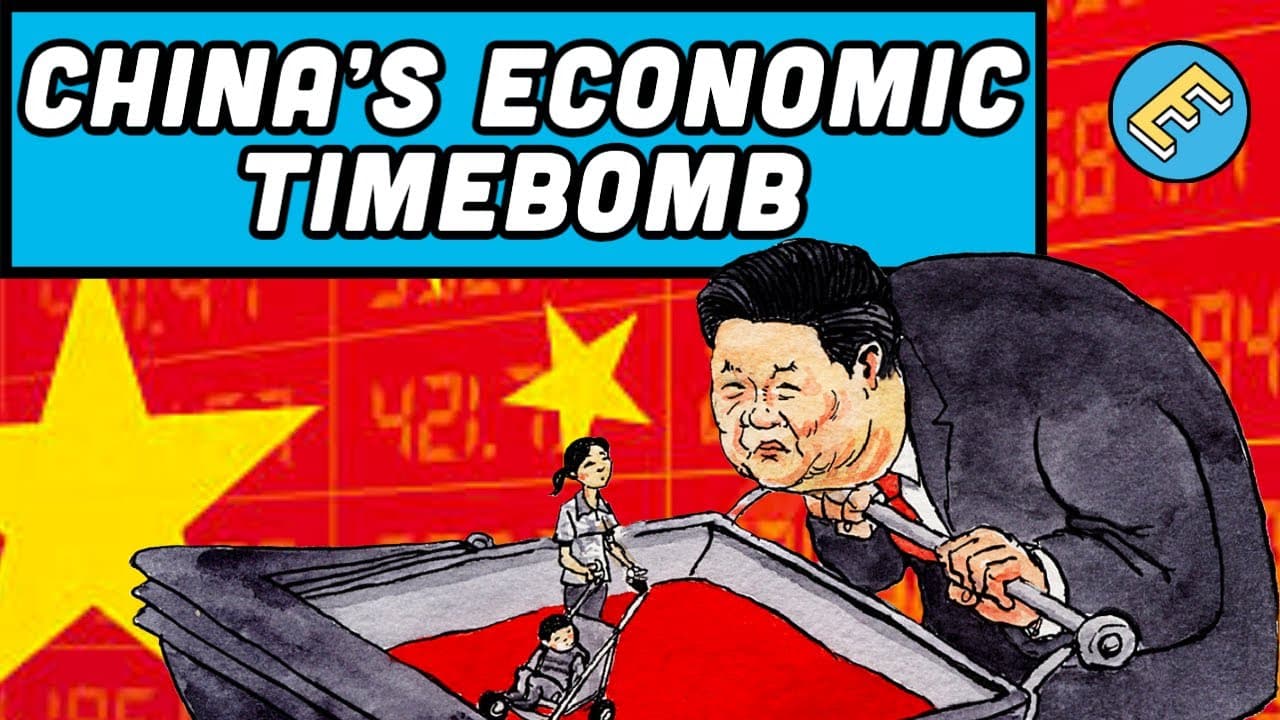
China's one child policy has led to an aging population, a shrinking labor force, gender inequality, and potential economic decline.
Transcript
for decades the world has been studying admiring and in some cases fearing China's Economic Development their success story is one of unprecedented growth sacrifice and patience but despite everything that China's built China is about to face a self-made economic disaster and what's even sadder is the entire mess was unintentionally created in the ... Read More
Key Insights
- 👶 China's one child policy aimed to control population growth and improve economic prosperity but had unintended consequences.
- 🤕 The policy resulted in an aging population, a shrinking labor force, and a skewed gender ratio.
- 🥺 These economic consequences have led to higher production costs, labor shortages, and potential decline in China's competitive position.
- 🥺 Gender inequality has been exacerbated, leading to a significant imbalance in the population.
- 🇨🇳 The policy's impact on future generations could have catastrophic implications for China's economy.
- 🍉 It is uncertain whether the economic gains from the policy outweigh the long-term negative effects.
- 🥺 China's attempt to control population through the one child policy has backfired, leading to unintended economic and social consequences.
Install to Summarize YouTube Videos and Get Transcripts
Explore YouTube Video Summarizer or Get YouTube Transcript Extractor
Questions & Answers
Q: What were the goals of China's one child policy?
The policy aimed to control population growth, improve quality of life, and avoid future famines by limiting most couples to one child.
Q: How did the one child policy impact China's population?
While it initially prevented 400 million births, it also led to an imbalanced family structure, with one child supporting two parents and four grandparents.
Q: What are the economic consequences of an aging population in China?
As the working-age population decreases, there is a shortage of labor, resulting in higher wages and production costs. This poses a threat to China's competitive position in manufacturing.
Q: How did the one child policy contribute to gender inequality?
The preference for sons to carry on the family name and provide for the future led to a cultural rejection of girls, causing millions of female babies to be abandoned, aborted, or killed.
Key Insights:
- China's one child policy aimed to control population growth and improve economic prosperity but had unintended consequences.
- The policy resulted in an aging population, a shrinking labor force, and a skewed gender ratio.
- These economic consequences have led to higher production costs, labor shortages, and potential decline in China's competitive position.
- Gender inequality has been exacerbated, leading to a significant imbalance in the population.
- The policy's impact on future generations could have catastrophic implications for China's economy.
- It is uncertain whether the economic gains from the policy outweigh the long-term negative effects.
- China's attempt to control population through the one child policy has backfired, leading to unintended economic and social consequences.
- Understanding the economic implications of the one child policy is crucial to comprehending China's current and future economic challenges.
Summary & Key Takeaways
-
China's one child policy, implemented in 1980, aimed to control population growth and avoid future famines.
-
The policy resulted in the most educated and privileged generations, but it also created an imbalanced family structure and an aging population.
-
With fewer children being born, China's economy may face labor shortages, higher production costs, and increased gender inequality.
Read in Other Languages (beta)
Share This Summary 📚
Summarize YouTube Videos and Get Video Transcripts with 1-Click
Try YouTube Summary with ChatGPT & Claude or YouTube Transcript Generator
Explore More Summaries from Epic Economics 📚
Summarize YouTube Videos and Get Video Transcripts with 1-Click
Try YouTube Summary with ChatGPT & Claude or YouTube Transcript Generator