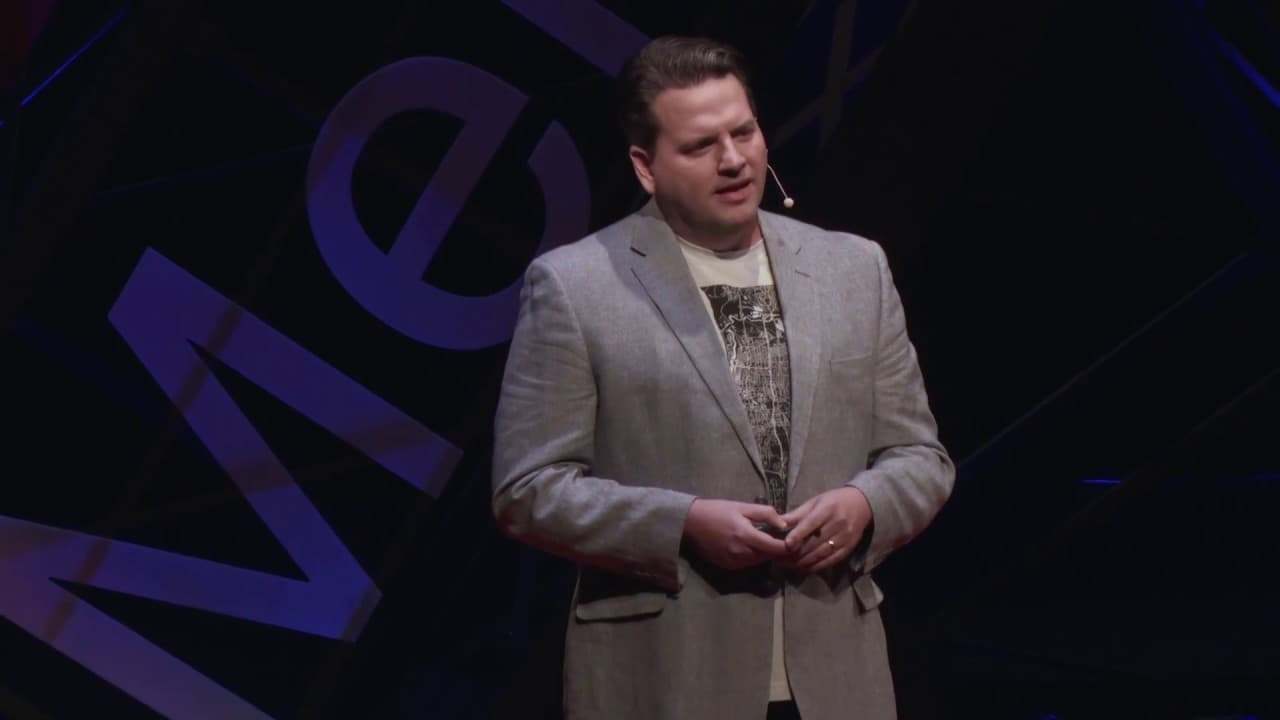
Seven Keys to Good Storytelling | Josh Campbell | TEDxMemphis
TL;DR
Everyone has a story, practice to tell it effectively.
Transcript
if you're living your best life which I know you are I've seen your instagrams if you're living right storytelling has to be a part of your life you will have to give a pitch for your boss you will have to give a presentation to your employees a friend will ask you to give a toast you will give a eulogy so these storytelling... Read More
Key Insights
- Storytelling is an essential skill for various life situations, including professional presentations, toasts, and eulogies. Preparing for these moments ensures effective communication.
- Everyone has a story to tell, and the belief that one's story is uninteresting is a common misconception. It's important to overcome this self-doubt to connect with others.
- Effective storytelling involves being prepared but flexible. While having an outline is crucial, allowing for spontaneous exploration can enhance the narrative.
- Humor is not a necessity in storytelling. Attempting to be funny can backfire if it doesn't resonate with the audience, potentially breaking the connection.
- Naming individuals in stories can empower the storyteller, while avoiding names can give undue power to others over the narrative.
- A story should start at the beginning and end at the conclusion without unnecessary moralizing. Trust the audience to derive their own lessons.
- Details should be used judiciously in storytelling. Shared human experiences do not require exhaustive explanation, allowing for a more engaging narrative.
- The connection with the audience is paramount. Avoid controversial statements unless essential to the story, as they can alienate listeners.
Install to Summarize YouTube Videos and Get Transcripts
Explore YouTube Video Summarizer or Get YouTube Transcript Extractor
Questions & Answers
Q: Why does Josh Campbell believe storytelling is essential?
Josh Campbell believes storytelling is essential because it is an inevitable part of life. Whether in professional settings like presentations and pitches or personal moments like toasts and eulogies, storytelling is a crucial communication tool. He emphasizes that being prepared for these moments ensures effective and meaningful connections with the audience.
Q: What is a common misconception people have about storytelling?
A common misconception about storytelling is the belief that one's story is uninteresting or not worth telling. Josh Campbell addresses this by highlighting that everyone has a story to share, and this self-doubt is merely an excuse to avoid engaging with others. Overcoming this belief is crucial for effective storytelling.
Q: How does Campbell suggest balancing preparation and spontaneity in storytelling?
Campbell suggests that while having an outline is important, storytellers should allow for spontaneity to enhance the narrative. This balance enables the storyteller to explore parts of the story that resonate with the audience while providing an escape route from less engaging sections. Flexibility in storytelling can lead to a more dynamic and captivating experience.
Q: Why does Campbell advise against relying on humor in storytelling?
Campbell advises against relying on humor because it can be risky if it doesn't resonate with the audience. A failed attempt at humor can break the connection with listeners, which is more valuable than eliciting laughter. Instead, he encourages focusing on establishing a genuine connection, as audiences prioritize feeling connected over being entertained.
Q: What role do names play in storytelling according to Campbell?
According to Campbell, using names in storytelling can empower the storyteller by asserting control over the narrative. Avoiding names can give undue power to others, potentially altering the story's impact. Naming individuals helps maintain authenticity and ownership of the story, allowing the storyteller to convey their message more effectively.
Q: How does Campbell suggest storytellers handle the beginning and end of their stories?
Campbell suggests that storytellers should start at the beginning and end at the conclusion without unnecessary moralizing. He emphasizes the importance of trusting the audience to derive their own lessons from the story. This approach respects the audience's intelligence and avoids detracting from the narrative's impact with overt explanations.
Q: Why are details important but should be used judiciously in storytelling?
Details are important in storytelling to create vivid imagery and context, but they should be used judiciously to avoid overwhelming the audience. Campbell highlights that shared human experiences do not require exhaustive explanation, allowing the storyteller to maintain engagement and focus on the core message. This approach respects the audience's ability to fill in gaps with their own experiences.
Q: What is Campbell's advice regarding controversial statements in storytelling?
Campbell advises storytellers to avoid controversial statements unless they are essential to the story. Such statements can alienate the audience, breaking the connection that is crucial for effective storytelling. If controversy is necessary for the narrative, it should be handled thoughtfully to maintain engagement and respect for the audience's perspectives.
Summary & Key Takeaways
-
Josh Campbell emphasizes the inevitability of storytelling in life, urging individuals to prepare by finding their voice. He dispels the myth that some people lack stories worth telling, encouraging everyone to embrace their narratives.
-
The talk provides seven keys to effective storytelling, focusing on preparation, flexibility, and connection with the audience. Campbell advises against over-reliance on humor and unnecessary moralizing, promoting authenticity and empathy instead.
-
Campbell highlights the importance of trusting the audience's ability to understand shared human experiences without excessive detail. He encourages storytellers to avoid alienating their audience with controversial statements unless vital to the narrative.
Read in Other Languages (beta)
Share This Summary 📚
Summarize YouTube Videos and Get Video Transcripts with 1-Click
Try YouTube Summary with ChatGPT & Claude or YouTube Transcript Generator
Explore More Summaries from TEDx Talks 📚

Summarize YouTube Videos and Get Video Transcripts with 1-Click
Try YouTube Summary with ChatGPT & Claude or YouTube Transcript Generator