What Happens To Animals That Catch Human Illnesses?
TL;DR
Reverse zoonoses, the transmission of human diseases to animals, are a significant concern that can harm animals, including endangered species. This article highlights examples of diseases, such as metapneumovirus, swine flu, tuberculosis, and measles, that have been transmitted from humans to animals with detrimental effects.
Transcript
This episode of SciShow is supported by NordVPN. Head over to nordVPN.com/SciShow to learn more about virtual private networks and internet security. [INTRO♪] We often hear about diseases we can get from animals, and for good reason. Many of these diseases, collectively called zoonotics, are serious health threats. But illnesses are often two-way s... Read More
Key Insights
- 🧑⚕️ Reverse zoonoses, or the transmission of human diseases to animals, pose significant threats to animal health and conservation efforts.
- 😳 Transmission of diseases like the metapneumovirus, swine flu, tuberculosis, and measles from humans to animals can lead to outbreaks and death in animal populations.
- 🚵 The impact of reverse zoonoses is especially concerning for endangered species, such as mountain gorillas and elephants.
- 😷 Measures such as restricting access to animals, wearing masks, and developing vaccines can help prevent the spread of human diseases to animals.
- 🌐 Human pathogens have even been found in remote areas like Antarctica, indicating the global reach of reverse zoonoses.
Install to Summarize YouTube Videos and Get Transcripts
Explore YouTube Video Summarizer or Get YouTube Transcript Extractor
Questions & Answers
Q: How do reverse zoonoses impact endangered species?
Reverse zoonoses pose a significant threat to endangered species, such as mountain gorillas, as they can cause outbreaks leading to illness and death in already vulnerable populations.
Q: How can reverse zoonoses be prevented?
Preventive measures include restricting access to animals, wearing masks in certain areas, and developing species-specific vaccines to protect animals from human diseases.
Q: How did swine flu become a pandemic?
Swine flu became a pandemic when a mix of human, pig, and bird influenzas combined in pigs, leading to the emergence of a highly contagious and dangerous strain that spread rapidly among humans.
Q: Can humans spread tuberculosis to elephants?
Humans can transmit tuberculosis to elephants, and increased contact between humans and elephants, such as through tourism, can contribute to the spread of the disease.
Q: Are animals in the wild also affected by human diseases?
Yes, animals in the wild can be affected by human diseases, such as measles. Measles outbreaks have been observed in wild primate populations, highlighting the potential for spread from humans to animals.
Q: How are human pathogens reaching remote areas like Antarctica?
Human pathogens are reaching remote areas like Antarctica through various means, including researchers coming into contact with wildlife, scavenging birds picking up pathogens from human waste, and proximity to inhabited areas where animals and livestock coexist.
Q: What steps can be taken to protect wildlife from human pathogens in remote areas?
Governments should implement measures such as requiring research stations to remove human waste when researchers leave and implementing strict hygiene protocols to minimize the transmission of diseases to native animals.
Q: Why is it crucial to keep ourselves healthy to protect animals?
Maintaining good health and practicing proper hygiene is necessary to prevent the spread of human pathogens to animals, reducing the risk of reverse zoonoses and protecting animal populations.
Summary & Key Takeaways
-
Diseases can be transmitted from humans to animals, resulting in illness and death in animal populations.
-
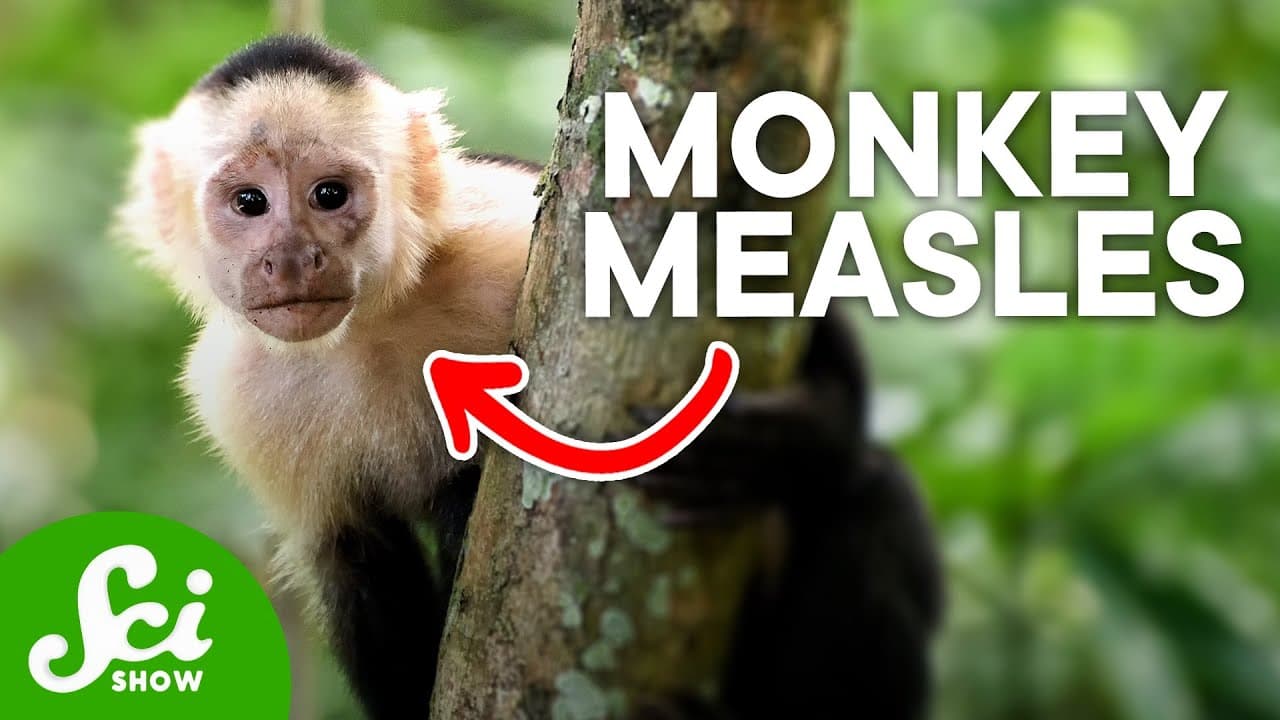
Examples include an outbreak of metapneumovirus in mountain gorillas, the transmission of swine flu from humans to pigs, the spread of tuberculosis in elephants, and the infection of monkeys with measles.
-
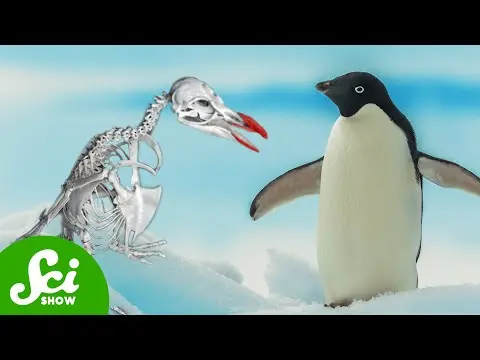
Reverse zoonoses are a global concern, as human pathogens have even been found in Antarctic bird populations.
Read in Other Languages (beta)
Share This Summary 📚
Summarize YouTube Videos and Get Video Transcripts with 1-Click
Try YouTube Summary with ChatGPT & Claude or YouTube Transcript Generator
Explore More Summaries from SciShow 📚

Summarize YouTube Videos and Get Video Transcripts with 1-Click
Try YouTube Summary with ChatGPT & Claude or YouTube Transcript Generator