BEWARE: Shrinkflation Is A Hidden Tax
TL;DR
Shrink-flation is reducing product quantity while maintaining prices, impacting consumers amid inflation.
Transcript
since the pandemic hit and the united states began to pursue loose monetary policy there's been a lot of talk about inflation the whole idea is that by increasing the money supply all that money is chasing the same set of goods and that means that the prices have to rise but one little trick of many producers across america and the globe is somethi... Read More
Key Insights
- 💨 Shrink-flation offers a way for brands to manage costs without obvious price hikes, affecting consumer perceptions of value.
- 🎟️ PepsiCo's admission highlights how prevalent shrink-flation has become in major corporations, signaling a trend across various industries.
- 💪 Despite reduced quantities, PepsiCo reports that consumer buying behaviors remain strong, suggesting effective brand loyalty.
- 🥺 Current inflationary trends lead to a complex economic environment where both shrink-flation and traditional inflation coexist.
- 🥠 Companies continuously study consumer usage patterns to fine-tune product sizes, reflecting a focus on market adaptability.
- 🖐️ The psychological aspects of purchasing, including consumer expectation, play a significant role in how shrink-flation is received in the market.
- ⚾ By maintaining a dialogue about such practices, companies can mitigate backlash and maintain their customer base even during economic hardships.
Install to Summarize YouTube Videos and Get Transcripts
Explore YouTube Video Summarizer or Get YouTube Transcript Extractor
Questions & Answers
Q: What is shrink-flation, and how does it impact consumers?
Shrink-flation refers to the practice of reducing the quantity of a product while maintaining the same price, effectively increasing the price per unit. For consumers, this means they receive less for their money, which can contribute to feelings of dissatisfaction as they perceive they are not getting value. It exemplifies how companies are creatively adapting to inflationary pressures without overtly raising prices, making it a subtle but impactful economic issue.
Q: Why did PepsiCo's CFO discuss shrink-flation on national television?
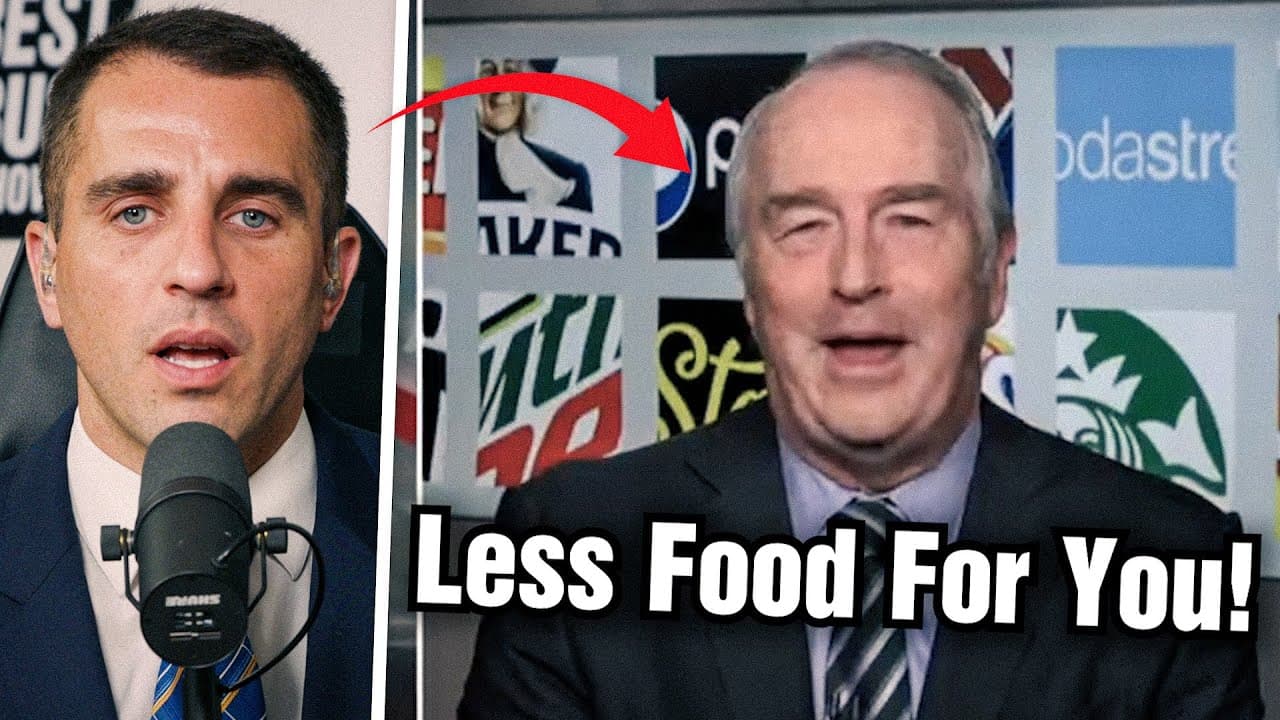
The CFO, Mr. Johnston, addressed shrink-flation to acknowledge the company's strategy of managing costs in a challenging economic environment marked by inflation. By openly discussing this practice, he aimed to provide transparency to consumers regarding pricing and product changes, which can foster trust despite potential concerns about value perception in the market.
Q: How do companies measure consumer satisfaction with product sizes?
Companies leverage market research and consumer feedback to assess satisfaction regarding product sizes. They analyze sales data, conduct surveys, and study customer behavior to determine preferences for package sizes. This data helps companies adjust their offerings to align with perceived value, despite varying consumer opinions on product quantity.
Q: What are the broader economic implications of shrink-flation?
Shrink-flation signifies underlying inflationary pressures in an economy where increased money supply fails to correspond with supply availability. This practice can obscure true inflation rates and potentially worsen consumer sentiment as individuals feel they are receiving less value. It's also reflective of companies' adaptations to navigate economic uncertainty due to fluctuating consumer psychology and preferences.
Summary & Key Takeaways
-
Shrink-flation is a practice where producers reduce the quantity of goods while keeping prices stable, thus disguising price increases. This tactic has gained attention, especially during the pandemic when inflationary pressures increased.
-
PepsiCo's CFO confirmed that the company sometimes decreases bag contents of chips to avoid raising prices, reflecting a broader trend among companies to navigate inflation challenges.
-
Despite the potential downsides for consumers, PepsiCo reports that customer satisfaction remains high, raising questions about how consumer preferences are measured regarding product quantity.
Read in Other Languages (beta)
Share This Summary 📚
Summarize YouTube Videos and Get Video Transcripts with 1-Click
Try YouTube Summary with ChatGPT & Claude or YouTube Transcript Generator
Explore More Summaries from Anthony Pompliano 📚

Summarize YouTube Videos and Get Video Transcripts with 1-Click
Try YouTube Summary with ChatGPT & Claude or YouTube Transcript Generator