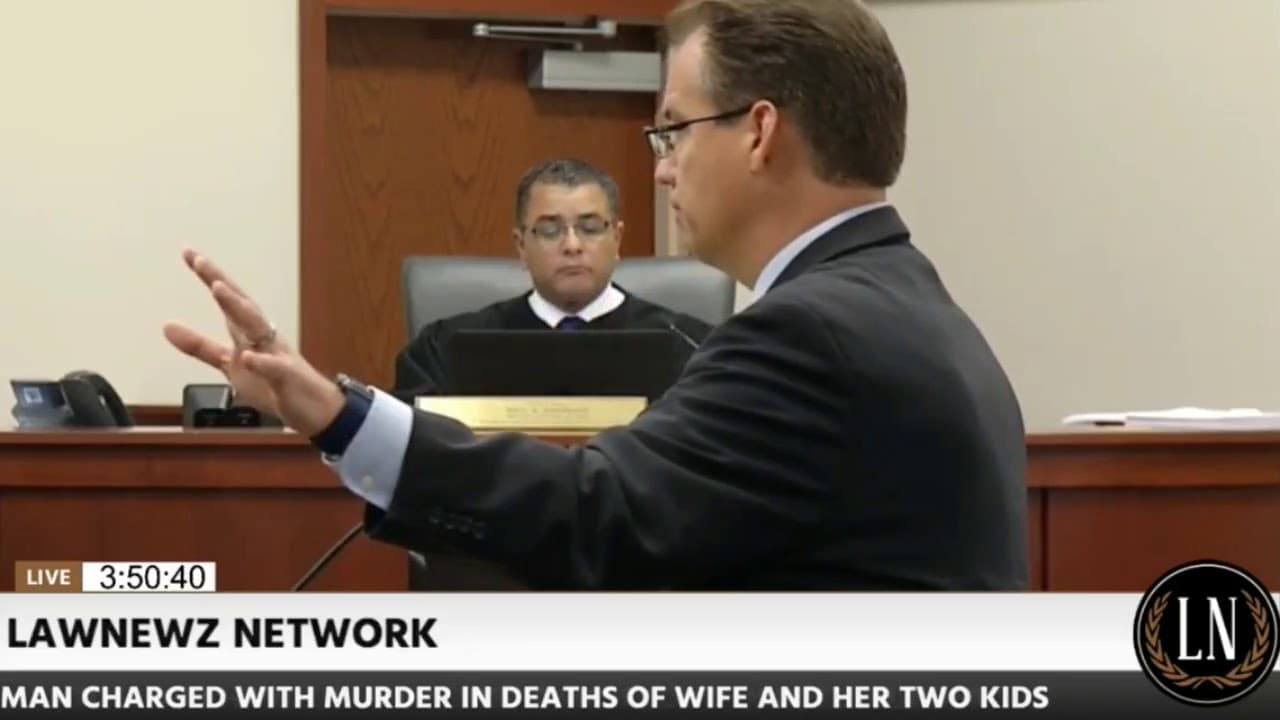
Luis Toledo Trial Prosecution Rebuttal
TL;DR
Analyzing the prosecutor's closing arguments in a murder trial, focusing on motive, inconsistencies in statements, and physical evidence.
Transcript
I spent a lot of time a lot of time together and we were rolling clothes together this isn't this isn't important kind of the moment where mr. Dean pointed out that we get an opportunity to a first class and then we get an opportunity to once but sometimes it's kind of a two-edged sword because I'm give this only sometimes shut up and sit down insi... Read More
Key Insights
- 💀 Motive is a crucial element in establishing guilt, as demonstrated through the defendant's marital problems and anger.
- 😓 Inconsistencies in the defendant's statements cast doubt on his credibility and highlight potential involvement in the murders.
- 🖐️ Physical evidence, including DNA and blood samples, play a vital role in connecting the defendant to the crime scenes.
- 🍽️ The prosecutor emphasizes the significance of the defendant's actions, like discarding the knife, as indicators of guilt and consciousness of his crimes.
- 🧬 Lack of DNA evidence for the alleged accomplice and the presence of the defendant's DNA at the crime scenes raise questions about his involvement.
- 🚂 Marital issues and escalating tension provide a plausible motive for the defendant's violent actions, as presented by the prosecution.
- 💪 The prosecutor's argument focuses on connecting the defendant to the crimes through physical evidence and inconsistencies in his statements, building a strong case for his guilt.
Install to Summarize YouTube Videos and Get Transcripts
Explore YouTube Video Summarizer or Get YouTube Transcript Extractor
Questions & Answers
Q: How does the prosecutor establish the defendant's guilty conscience in the trial?
The prosecutor argues that the defendant's act of throwing out a knife points to his guilty conscience, indicating his involvement in the murders. This action suggests a motive and consciousness of guilt, strengthening the case against him.
Q: Why are inconsistencies in the defendant's statements crucial to the prosecution's argument?
Inconsistencies in the defendant's statements highlight his unreliable narrations and inability to keep a consistent story. These discrepancies raise doubts about his credibility and the truthfulness of his version of events, emphasizing his potential involvement in the crimes.
Q: How does the prosecutor use marital problems to establish motive in the case?
The prosecutor links the defendant's anger towards his wife, fueled by marital issues and infidelity, as a motive for the murders. The strained relationship and escalating tension provide a plausible reason for the defendant's violent actions, supporting the prosecution's case.
Q: What role does physical evidence play in the prosecutor's closing arguments?
Physical evidence, such as blood found on the defendant's shoes and in the trunk mat, directly links him to the murders. The prosecutor highlights this evidence as crucial in establishing the defendant's presence at the crime scenes, strengthening the case against him.
Summary & Key Takeaways
-
The prosecutor emphasizes the defendant's guilty conscience shown by discarding a knife, indicating his involvement in the murders.
-
Motive is highlighted through marital issues, anger, and ill-will, supporting the case against the defendant.
-
Inconsistencies in the defendant's statements, lack of DNA evidence for the alleged accomplice, and physical evidence linking the defendant to the crimes are crucial points.
Read in Other Languages (beta)
Share This Summary 📚
Summarize YouTube Videos and Get Video Transcripts with 1-Click
Try YouTube Summary with ChatGPT & Claude or YouTube Transcript Generator
Explore More Summaries from Law&Crime Network 📚





Summarize YouTube Videos and Get Video Transcripts with 1-Click
Try YouTube Summary with ChatGPT & Claude or YouTube Transcript Generator