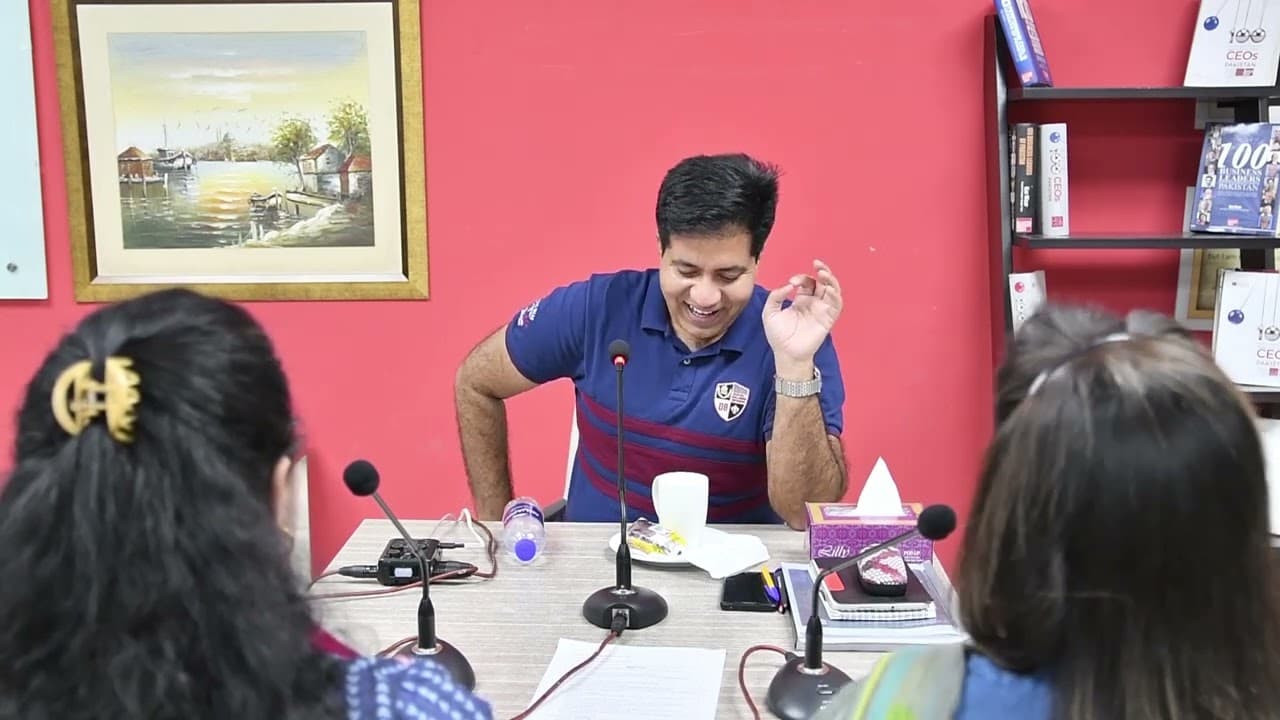
IELTS Speaking Part 1 Tutorial || MOST IMPORTANT QUESTIONS WITH ANSWERS Test By Asad Yaqub
TL;DR
This video provides tips and examples for answering questions in the IELTS Speaking Part One section, focusing on familiar topics, tense, and elaborating on responses.
Transcript
okay we now take a start with IELTS speaking part one in IELTS speaking part one we actually call it introduction in this part examiner will ask you some questions on familiar topics familiar topics means these topics are going to be related to you your lifestyle your family your hometown your education and all that in the beginning examiner will a... Read More
Key Insights
- 🙊 IELTS Speaking Part One focuses on familiar topics related to work, study, hobbies, and lifestyle.
- ⁉️ Understanding the tense of the question and answering directly in the first sentence is crucial.
- 🆘 Elaborating on responses using signpost language and including reasons helps provide a more comprehensive answer.
- 🪘 It is possible to answer questions negatively, as long as you provide a full answer with reasons.
- ❓ Using varied vocabulary and sentence structures can enhance your answers.
- 🉑 Pretending to like certain aspects of your job or study is acceptable in the exam.
- ⁉️ Time management is important to ensure all questions are answered fully.
Install to Summarize YouTube Videos and Get Transcripts
Explore YouTube Video Summarizer or Get YouTube Transcript Extractor
Questions & Answers
Q: What topics are covered in IELTS Speaking Part One?
IELTS Speaking Part One covers familiar topics such as work, study, hobbies, and personal lifestyle.
Q: How should I answer questions in IELTS Speaking Part One?
When answering questions, it is important to understand the tense of the question and answer directly in the first sentence. Use signpost language to elaborate on the response and include reasons for your answer.
Q: Can I answer questions negatively in IELTS Speaking Part One?
Yes, you can answer questions negatively in IELTS Speaking Part One. It is important to give a full answer with reasons, regardless of whether your answer is positive or negative.
Q: What should I include in my answer to elaborate on the response?
To elaborate on your response, you can talk about specific details, reasons, or experiences related to the question. Use signpost language to structure your answer and make it more coherent.
Key Insights:
- IELTS Speaking Part One focuses on familiar topics related to work, study, hobbies, and lifestyle.
- Understanding the tense of the question and answering directly in the first sentence is crucial.
- Elaborating on responses using signpost language and including reasons helps provide a more comprehensive answer.
- It is possible to answer questions negatively, as long as you provide a full answer with reasons.
- Using varied vocabulary and sentence structures can enhance your answers.
- Pretending to like certain aspects of your job or study is acceptable in the exam.
- Time management is important to ensure all questions are answered fully.
- Practicing answering different types of questions can improve your performance in the exam.
Summary & Key Takeaways
-
IELTS Speaking Part One is the introduction section of the exam where the examiner asks questions about familiar topics such as work, study, and hobbies.
-
It is important to understand the tense of the question and answer directly in the first sentence, using signpost language to elaborate on the response.
-
Answers should be full and include reasons, regardless of whether they are positive or negative.
Read in Other Languages (beta)
Share This Summary 📚
Summarize YouTube Videos and Get Video Transcripts with 1-Click
Try YouTube Summary with ChatGPT & Claude or YouTube Transcript Generator
Explore More Summaries from Asad Yaqub IELTS 📚

Summarize YouTube Videos and Get Video Transcripts with 1-Click
Try YouTube Summary with ChatGPT & Claude or YouTube Transcript Generator