How I Stopped Attaching Grades to my Sense of Self Worth: Mindset of Success. | ad
TL;DR
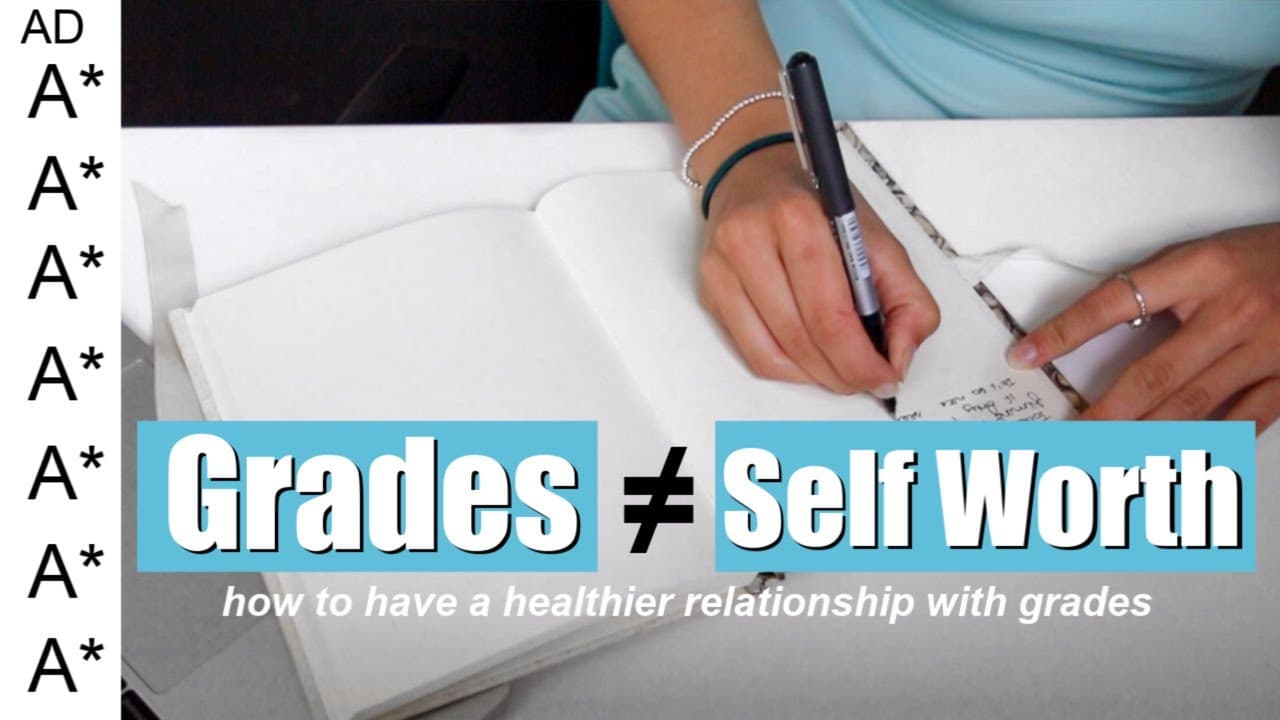
Learn how to separate your self-worth from academic grades for better mental health.
Transcript
hey my guys are welcome back to unjaded Jade so this is a heavily requested topic and one that I feel is particularly relevant to my journey as a student and that is how to not tie yourself worth to your grades to clarify this does not mean that we don't care about grades it doesn't mean that we don't want to achieve amazing things it doesn't mean ... Read More
Key Insights
- 🥺 Many students unconsciously tie their self-worth to their academic grades, which can lead to negative psychological impacts like anxiety and perfectionism.
- ♻️ The educational system often emphasizes grades over learning, creating a pressure-filled environment that may hinder genuine curiosity and passion for subjects.
- 🫵 Strategies such as adopting a growth mindset can help students view grades as feedback rather than definitive measures of their abilities or potential.
- 🧑🎓 Resources like Pro Prep can enhance the learning experience for STEM students by providing targeted support that complements traditional education.
- 😚 Encouraging self-reflection after grades can help students gain insight into their learning processes and identify areas for improvement without losing confidence.
- 🧑⚕️ Mental health in academia is a critical issue, and establishing a healthy relationship with grades can substantially improve student well-being.
- 🥰 Distinguishing between intrinsic motivation and external pressure to achieve high grades is essential for fostering a love for learning.
Install to Summarize YouTube Videos and Get Transcripts
Explore YouTube Video Summarizer or Get YouTube Transcript Extractor
Questions & Answers
Q: Why is it important to detach self-worth from grades?
Detaching self-worth from grades is vital because it helps reduce stress and anxiety associated with academic performance. When students view their value as tied to grades, it can lead to perfectionism and insecurity, which negatively impacts mental health. Focusing instead on the learning process helps cultivate a more positive self-image and a genuine passion for education.
Q: What impact does the education system have on students' perception of their worth?
The education system often promotes a meritocratic view, where students receive praise and recognition based on their grades. This creates a competitive environment, making students overly focused on the numbers rather than the learning itself. Such an approach can lead students to internalize their grades as a reflection of their intelligence or abilities, resulting in diminished self-worth when they encounter poor performance.
Q: How can students shift their mindset about grades to promote better learning?
Students can shift their mindset by viewing grades as feedback rather than definitive judgments on their worth. Adopting a growth mindset allows them to see mistakes and poor grades as opportunities for improvement. Engaging in discussions with teachers and exploring subjects out of curiosity rather than solely for grades can also help reframe their relationship with learning.
Q: What are some practical strategies to focus more on learning than grades?
To focus more on learning, students can set goals centered around understanding concepts rather than achieving specific grades. This might involve creating study groups that emphasize discussion and exploration, seeking resources like Pro Prep to reinforce learning, and gradually adopting habits that prioritize curiosity and interest over a grades-centric approach.
Q: How can Pro Prep facilitate a better learning experience for STEM students?
Pro Prep offers bite-sized tutorials and resources specifically designed for university STEM subjects, making difficult content more accessible. For students struggling with lectures or needing additional revision support, these resources provide a convenient way to reinforce learning, allowing students to focus on genuinely understanding material rather than merely achieving grades.
Q: What should students do when they receive a poor grade?
When a student receives a poor grade, it’s important for them to process their emotions, whether it’s disappointment or frustration, and then reflect on what they can learn from the experience. They should view the grade as an indicator of areas where improvement is needed and consider reaching out for help or resources to better understand the material in the future.
Q: How does embracing a growth mindset affect a student's learning journey?
Embracing a growth mindset encourages students to understand that intelligence and abilities can develop through effort and learning from mistakes. This mentality fosters resilience, allowing students to approach challenges positively and persistently, which can enhance their academic performance, deepen their understanding of subjects, and ultimately lead to personal growth.
Summary & Key Takeaways
-
The speaker discusses the importance of not equating self-worth with academic performance, emphasizing that while grades matter for future opportunities, they should not define personal value.
-
They highlight the detrimental effects of a performance-oriented education system that fosters perfectionism and insecurity, leading to high stress levels among students.
-
Strategies are provided to develop a healthier mindset toward grades, focusing on growth, learning for the sake of knowledge, and maintaining mental well-being amid academic pressures.
Read in Other Languages (beta)
Share This Summary 📚
Summarize YouTube Videos and Get Video Transcripts with 1-Click
Try YouTube Summary with ChatGPT & Claude or YouTube Transcript Generator
Explore More Summaries from UnJaded Jade 📚






Summarize YouTube Videos and Get Video Transcripts with 1-Click
Try YouTube Summary with ChatGPT & Claude or YouTube Transcript Generator