What Is Life Like in Antarctica?
TL;DR
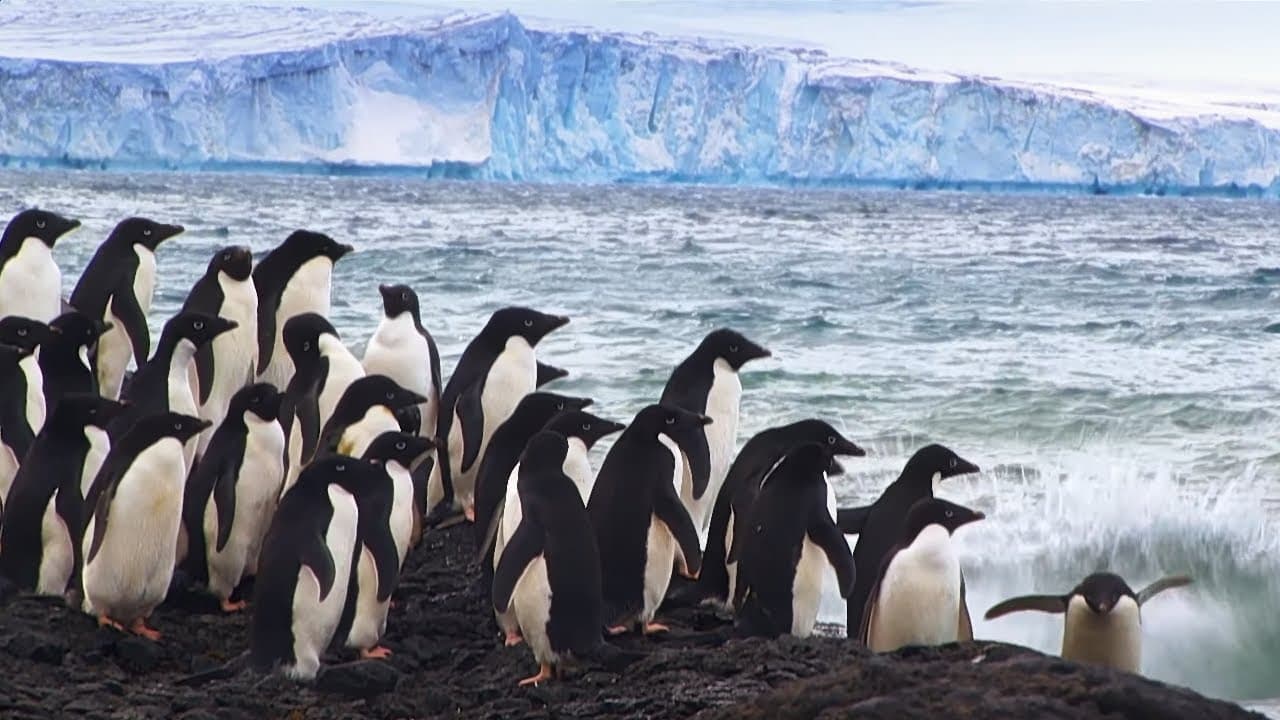
Antarctica is a vast, frozen continent where life thrives despite harsh conditions. Emperor penguins, king penguins, and seals have adapted to the icy environment, with unique breeding and survival strategies. The region's nutrient-rich waters support abundant marine life, while icebreakers navigate the challenging seas to explore this remote and spectacular landscape.
Transcript
Antarctica in summer. After months of darkness, the sun has finally reappeared. Ships can once again travel southwards. They dare to venture into icy territory only during the light season, but winter's rigid, icy carapace is not easy to penetrate. Even for icebreakers, voyages into South Polar Sea are risky. Gigantic icebergs and stormy se... Read More
Key Insights
- Antarctica is a frozen continent surrounded by vast ice sheets, with only 2% ice-free in summer.
- Emperor penguins are the largest penguin species, adapted to live in the harsh Antarctic environment.
- Ushuaia in Argentina serves as a gateway to Antarctica, with expeditions starting from this location.
- South Georgia Island hosts diverse wildlife, including king penguins and elephant seals.
- Icebreakers like the Kapitan Khlebnikov are essential for navigating the icy waters of the Antarctic.
- The nutrient-rich waters around Antarctica support a variety of marine life, including krill, fish, and squid.
- The Weddell Sea is known as the 'iceberg factory,' with large icebergs breaking off and drifting north.
- Antarctic wildlife, such as penguins and seals, have developed unique adaptations for survival in extreme conditions.
Install to Summarize YouTube Videos and Get Transcripts
Explore YouTube Video Summarizer or Get YouTube Transcript Extractor
Questions & Answers
Q: How do emperor penguins survive in Antarctica?
Emperor penguins survive in Antarctica through unique adaptations. They have a thick layer of fat and dense plumage, including a warm down layer and waterproof feathers, to withstand extreme cold. They breed in large colonies, reducing predation risks, and their streamlined bodies are adapted for efficient swimming, allowing them to hunt fish and krill in nutrient-rich waters.
Q: What role does Ushuaia play in Antarctic expeditions?
Ushuaia, located in Argentina, serves as a critical gateway for Antarctic expeditions. It is the southernmost city in the world and the starting point for many voyages to Antarctica. The city's proximity to the continent and its port facilities make it an ideal location for launching expeditions, providing access to the Southern Ocean and the Antarctic Peninsula.
Q: Why is South Georgia Island important for wildlife?
South Georgia Island is crucial for wildlife due to its nutrient-rich waters and ice-free coastal areas, which provide ideal breeding grounds for species like king penguins and elephant seals. The island's diverse ecosystem supports a wide range of marine life, making it a vital habitat for various species and a key location for scientific research and conservation efforts.
Q: How do icebreakers navigate Antarctic waters?
Icebreakers navigate Antarctic waters using reinforced hulls and powerful engines to break through sea ice. Equipped with advanced radar systems, they assess ice conditions to find the safest routes. In challenging areas like the Weddell Sea, helicopters may assist in mapping paths through the ice, ensuring safe passage for research and expedition vessels.
Q: What is the significance of the Weddell Sea?
The Weddell Sea, often called the 'iceberg factory,' is significant due to its role in producing large icebergs that drift north. The sea's unique conditions, with extensive ice shelves and dynamic ice flows, make it a challenging environment for navigation. It is also a critical habitat for Antarctic wildlife, supporting diverse marine ecosystems and providing research opportunities.
Q: How do penguins and seals coexist in Antarctica?
Penguins and seals coexist in Antarctica by occupying different ecological niches. Penguins, such as emperor and king penguins, primarily feed on krill and small fish, while seals, like elephant and fur seals, hunt larger prey. The abundance of marine resources reduces competition, allowing these species to thrive alongside each other in the harsh Antarctic environment.
Q: What challenges do Antarctic expeditions face?
Antarctic expeditions face numerous challenges, including extreme weather conditions, unpredictable ice flows, and the logistical complexities of operating in remote areas. Navigating through pack ice requires specialized vessels like icebreakers, and the harsh environment demands careful planning and equipment to ensure the safety of researchers and the success of scientific missions.
Q: Why is the Antarctic ecosystem unique?
The Antarctic ecosystem is unique due to its extreme climate, isolation, and specialized adaptations of its flora and fauna. The continent's nutrient-rich waters support diverse marine life, including krill, fish, and squid, which form the base of the food web. Species like emperor penguins and seals have evolved to thrive in this harsh environment, making it a critical area for studying climate change and biodiversity.
Summary & Key Takeaways
-
Antarctica is a remote, icy continent where life thrives despite extreme conditions. Emperor penguins, king penguins, and seals have adapted to the harsh environment, developing unique breeding and survival strategies. The nutrient-rich waters support abundant marine life, while icebreakers navigate the challenging seas to explore this spectacular landscape.
-
Ushuaia, Argentina, serves as the gateway to Antarctica, with expeditions starting from this location. South Georgia Island is home to diverse wildlife, including king penguins and elephant seals. The Weddell Sea, known as the 'iceberg factory,' features large icebergs breaking off and drifting north.
-
Icebreakers like the Kapitan Khlebnikov are essential for navigating the icy waters of the Antarctic. Wildlife such as penguins and seals have developed unique adaptations for survival, with emperor penguins being the largest species, perfectly suited to the harsh Antarctic environment.
Read in Other Languages (beta)
Share This Summary 📚
Summarize YouTube Videos and Get Video Transcripts with 1-Click
Try YouTube Summary with ChatGPT & Claude or YouTube Transcript Generator
Explore More Summaries from Show Me the World 📚




Summarize YouTube Videos and Get Video Transcripts with 1-Click
Try YouTube Summary with ChatGPT & Claude or YouTube Transcript Generator