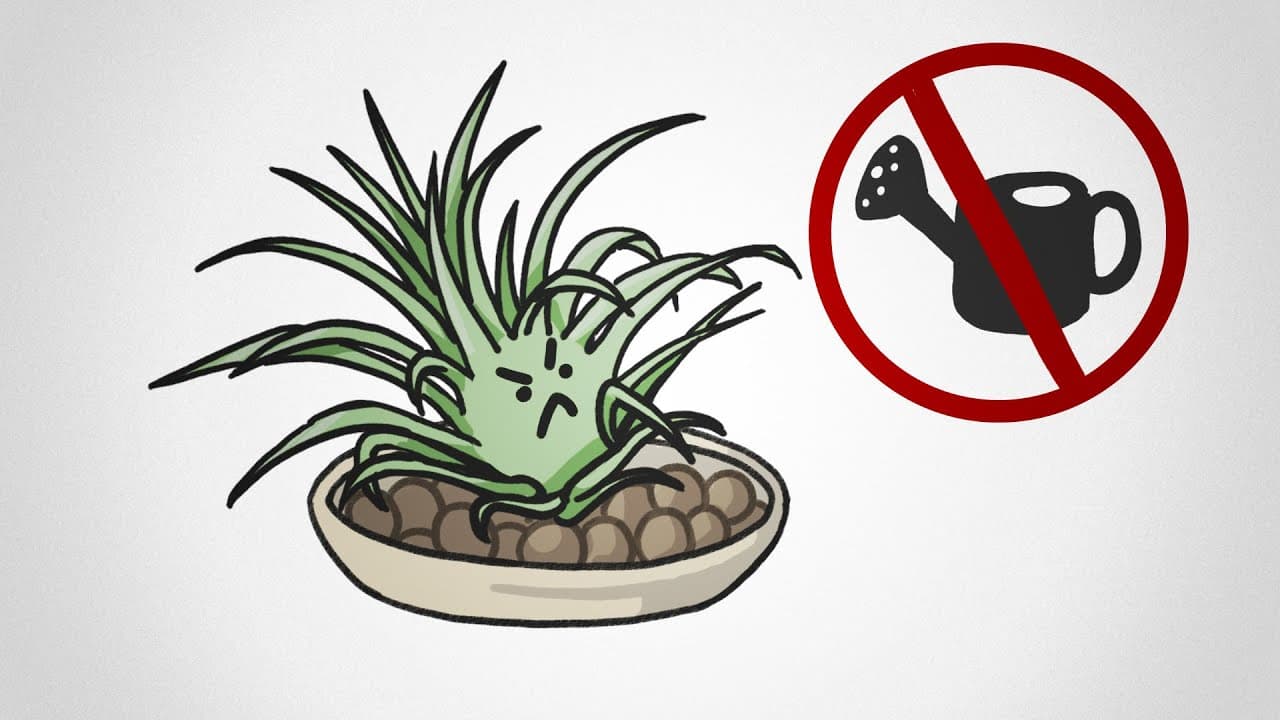
The Plant You Don’t Have To Water
TL;DR
Epiphytic plants, also known as plants-on-plants, have evolved unique ways to grab and store water, making them resilient and beneficial for forest ecosystems.
Transcript
This is one of the best houseplants out there. Forget to water it for a week or two, and it’ll be fine. Not because it doesn’t need water, but because as long as there’s enough humidity around, it can grab water out of thin air - a power this plant has because of where it would live if it weren’t on your windowsill. Since the forest floo... Read More
Key Insights
- 💦 Epiphytic plants have evolved unique adaptations to obtain and store water, making them resilient even in the absence of direct access to soil.
- 💦 Their water-grabbing abilities enable them to exist in various forests worldwide and contribute to water retention within the ecosystem.
- 💦 By intercepting rain and reducing evaporation, epiphytic plants limit water loss and offer habitat and hydration to diverse forest organisms.
- ⛈️ They can also contribute to cloud formation and rain, further benefiting the forest ecosystem.
- 🌱 Studying storm-plant interactions helps understand the crucial processes and potential impacts on a changing planet.
- 💦 The collaboration between scientists at different universities and institutions aims to investigate these interactions and their implications for nutrient cycles, water management, plant health, and climate.
- 💁 The information gained from this research can assist in better understanding and managing the impacts of storms on ecosystems.
Install to Summarize YouTube Videos and Get Transcripts
Explore YouTube Video Summarizer or Get YouTube Transcript Extractor
Questions & Answers
Q: How do epiphytic plants obtain water?
Epiphytic plants have adapted different techniques, such as trapping airborne water vapor or funneling water into specialized storage tanks, to obtain and store water from sources like rain, streams, and even fog.
Q: How do plants-on-plants help reduce water loss in forests?
By intercepting as much as 15% of the falling rain and reducing evaporation off a forest's surfaces by 20%, epiphytic plants limit water loss and contribute to water retention within the forest ecosystem.
Q: How do epiphytic plants benefit forests during dry spells?
Epiphytic plants help forests thrive during dry spells by cycling and retaining water, providing hydration for thirsty plants and even contributing to cloud formation, ultimately making it rain.
Q: Why are interactions between storms and plants important to study?
Storm-plant interactions play a vital role in processes like nutrient cycles, water management, plant health, and even climate. Understanding these interactions helps comprehend their significance and potential changes in a changing world.
Summary & Key Takeaways
-
Epiphytic plants, such as the favorite houseplant, can absorb water from the air due to their ability to trap airborne water vapor.
-
Plants-on-plants have various strategies for water storage, like specialized storage tanks in bromeliads and flexible cell walls in mosses.
-
These water-grabbing abilities of epiphytic plants contribute to the overall water retention in forests, providing habitat and hydration for other organisms.
Read in Other Languages (beta)
Share This Summary 📚
Summarize YouTube Videos and Get Video Transcripts with 1-Click
Try YouTube Summary with ChatGPT & Claude or YouTube Transcript Generator
Explore More Summaries from MinuteEarth 📚






Summarize YouTube Videos and Get Video Transcripts with 1-Click
Try YouTube Summary with ChatGPT & Claude or YouTube Transcript Generator