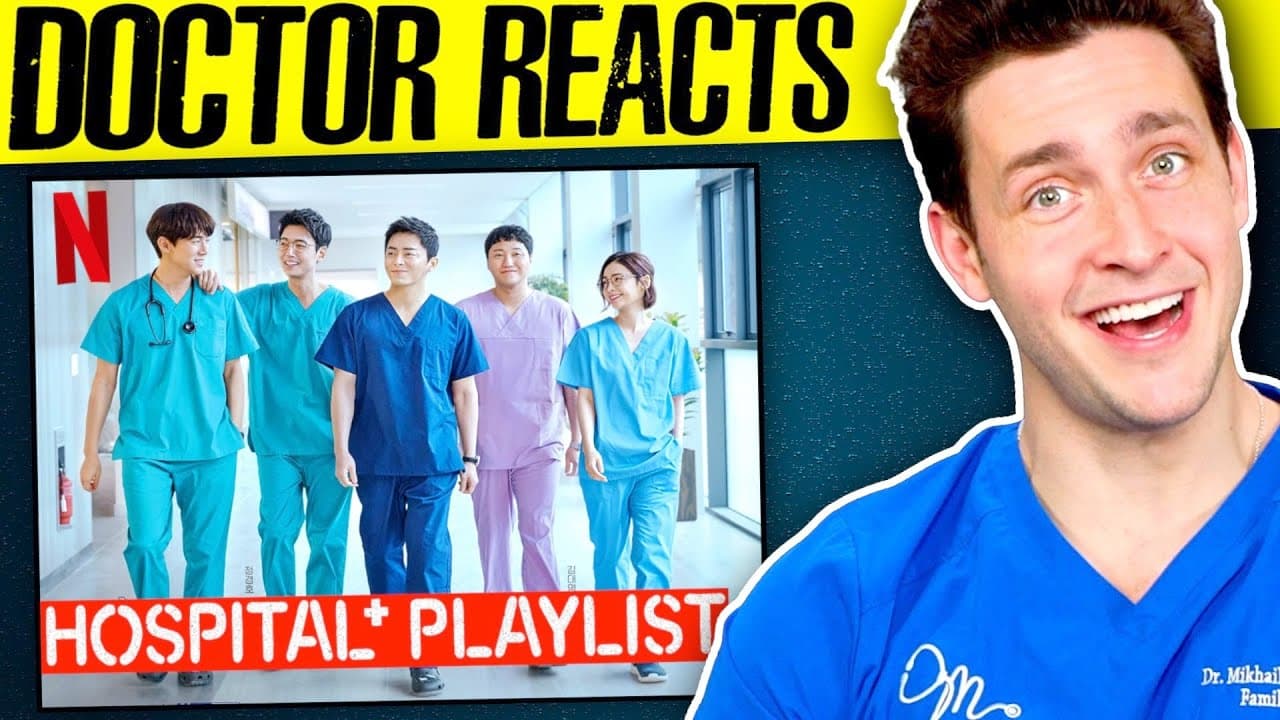
Doctor Reacts To Hospital Playlist | Medical K-Drama Review
TL;DR
The analysis critiques CPR accuracy and doctor-patient communication in medical dramas.
Transcript
- (speaks in foreign language) - (speaks in foreign language) - She did not have the reaction I thought she would have, watching her friend slash whoever this person is get electrocuted and falling off a ladder. - (speaks in foreign language) - She just said call an ambulance, casually, call an ambulance. - (speaks in foreign language) - (speaks in... Read More
Key Insights
- 🚨 Realistic portrayals of medical emergencies can enhance public understanding and awareness of emergency response techniques.
- 😷 Communication of complex medical information should be patient-centered, prioritizing transparency and emotional support for family members.
- 😷 CPR effectiveness highly depends on proper technique and rhythm, highlighting the need for accuracy in medical dramas to correctly educate viewers.
- 💁 Patients should be informed of all their options sequentially and only pursue necessary interventions when deemed essential based on their readiness to act.
- 😷 Emotional intelligence is required for medical professionals when delivering sensitive health information, emphasizing the importance of clear, repeated communication for patient comprehension.
- 😷 The portrayal of high-stakes medical situations in dramas can shape public perceptions but should aim for authenticity to avoid misconceptions about healthcare practices.
- 😷 Utilizing humor and interactive methods can allow healthcare providers to reduce anxiety in pediatric patients, enhancing their overall experience during medical assessments.
Install to Summarize YouTube Videos and Get Transcripts
Explore YouTube Video Summarizer or Get YouTube Transcript Extractor
Questions & Answers
Q: How accurate are the CPR techniques shown in the video?
The CPR techniques depicted in the video are assessed for quality and accuracy. The speaker expresses approval of the chest compressions shown, applauding their rate, depth, and intensity. They emphasize the importance of realistic portrayal in media, particularly in how public understanding of CPR is shaped by these depictions.
Q: What is the significance of patient autonomy in medical decision-making?
Patient autonomy is vital as it acknowledges the individual’s right to make informed decisions about their healthcare. The speaker illustrates this with the example of an elderly patient who, despite a possible cancer diagnosis, refuses surgical intervention, emphasizing that if treatment options won't be pursued, unnecessary invasive procedures should be avoided to enhance the patient's quality of life.
Q: What are the proper steps a doctor should take when discussing a serious diagnosis with a patient?
Doctors should present findings in a structured way, beginning with confirmed results, followed by necessary next steps like biopsies only if the patient intends to act on those results. Effective communication should prioritize clarity, allowing for follow-up discussions, ensuring the patient understands their choices and implications of their health status.
Q: How should medical staff handle emotional news delivery to families?
Medical staff should approach delivering bad news in a calm and straightforward manner, allowing family members time to process the information. The speaker recommends repeated clear explanations to facilitate understanding, which is crucial in high-stress situations, enabling family members to better grasp their loved one's condition and options.
Q: Why is proper communication essential during CPR or resuscitation attempts?
Clear communication is crucial during CPR because it ensures that every team member understands their roles and the current status of the patient. Moreover, it helps medical staff make informed decisions about continuing or ceasing resuscitation efforts based on patient responses and previously established do-not-resuscitate orders.
Q: How can humor be effectively used with pediatric patients?
Humor can help alleviate anxiety for pediatric patients undergoing medical procedures. The speaker shares their strategy of engaging with children through playful approaches, such as allowing them to use instruments like a stethoscope. This not only makes the experience less intimidating but also fosters a sense of trust and ease in the medical environment.
Summary & Key Takeaways
-
The content critiques the portrayal of medical emergencies in dramas, focusing on CPR techniques and their accuracy, emphasizing how important realistic practices can enhance viewer understanding of healthcare.
-
It discusses the dynamic between healthcare providers and patients, suggesting that doctors should communicate options sensitively and in a manner that prioritizes patient autonomy while considering quality of life.
-
The video highlights that emotional complexity exists in the doctor-patient relationship, especially in dire situations, and that effective communication is key to patient understanding and comfort.
Read in Other Languages (beta)
Share This Summary 📚
Summarize YouTube Videos and Get Video Transcripts with 1-Click
Try YouTube Summary with ChatGPT & Claude or YouTube Transcript Generator
Explore More Summaries from Doctor Mike 📚



Summarize YouTube Videos and Get Video Transcripts with 1-Click
Try YouTube Summary with ChatGPT & Claude or YouTube Transcript Generator