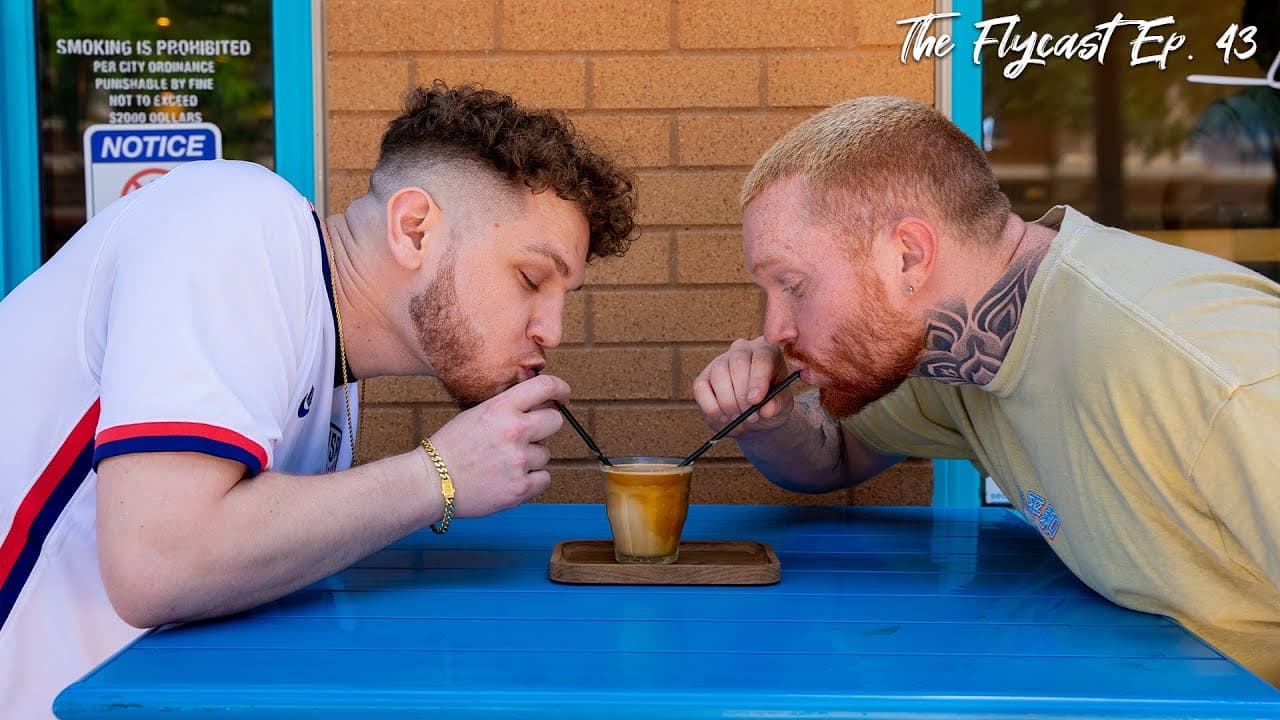
MaNiaC Tells The TRUTH About His Recovery | The Flycast Ep. 43
TL;DR
A candid discussion on addiction struggles, mental health, and personal experiences.
Transcript
one two one two i got beef with you what you gonna do i got skeet and poo when you go scoop i got pikachu and you gon choose i was going to start this off by saying i'm i'm sure you're wondering why there's no blankets i mean you wouldn't got a blanket the reason there's no blankets is because it's hot as [ __ ] in here i feel like it's not much ho... Read More
Key Insights
- 🛟 The dialogue emphasizes the psychological struggles associated with addiction, illustrating how challenging it can be to balance social life with recovery efforts.
- 🤗 An open acknowledgment of mental health issues, like depression and anxiety, is vital for personal healing and community understanding.
- 🧑⚕️ Participants discuss the importance of routine and physical exercise in managing mental health, illustrating a tangible method for coping with emotional pain.
- 💭 They note that thoughts of relapse can often occur during high-pressure situations or periods of significant emotional distress.
- ❓ The impact of drinking culture on individuals recovering from addiction is addressed, underlining the societal pressures that can complicate sobriety.
- 🧑⚕️ They identify shared experiences among individuals with mental health issues, fostering a sense of community and connection.
- 🤗 Open conversations about addiction encourage the dismantling of stigma, helping others feel supported and understood in their struggles.
Install to Summarize YouTube Videos and Get Transcripts
Explore YouTube Video Summarizer or Get YouTube Transcript Extractor
Questions & Answers
Q: What are some common triggers for relapse mentioned in the conversation?
Common triggers for relapse discussed include social situations where alcohol is involved, emotional distress, and the temptation of being in environments associated with past substance use. The participants reflected on how feelings of anxiety and depression can lead to self-destructive choices, reinforcing the need for strong coping mechanisms and supportive environments.
Q: How does the conversation address the impact of alcohol on the participants’ lives?
The participants openly discuss their experiences with alcohol, revealing a mix of occasional social use and struggles with controlling consumption. They emphasize the psychological effects alcohol has on them, including heightened anxiety and negative impacts on mental health, making it clear that they are aware of the fine line between social enjoyment and potential addiction.
Q: What insights do the participants share about managing their mental health?
The discussion highlights the importance of seeking professional help, establishing routines, and the role of physical health in supporting mental well-being. Participants share that awareness of their mental state allows them to implement strategies to combat depressive episodes, such as physical activity and engaging activities that promote positivity.
Q: How do the participants reflect on their past experiences with addiction?
Reflecting on their past, participants acknowledge the chaotic lifestyle that accompanied their substance use, often feeling lost and out of control. They express gratitude for recovery and the lessons learned, choosing to share their stories as a way to inspire others facing similar battles, hoping that honesty can foster understanding and support.
Q: What role does community play in the participants’ recovery journey?
Community is underscored as essential in recovery. Participants discuss the value of having supportive friends and mentors who understand their struggles, share relatable experiences, and encourage open dialogues about addiction, allowing individuals to feel less isolated and more empowered in their journeys toward recovery.
Q: How do the participants perceive the relationship between addiction and lifestyle choices?
The conversation steers into how lifestyle choices can either hinder or support recovery from addiction. Participants express that engaging in positive activities, such as exercise and socializing with supportive peers, can help them steer clear of substance use, whereas poor choices can lead to downward spirals and feelings of despair.
Summary & Key Takeaways
-
The conversation dives into personal struggles with addiction, mental health, and the pressures of social expectations, revealing how these factors intertwine with daily life.
-
Participants share their experiences with alcohol and drug use post-recovery, touching on their fleeting thoughts of relapse and the barriers to maintaining a healthy lifestyle amidst societal pressures.
-
The show highlights the importance of community, support systems, and fostering open conversations about addiction and mental health, emphasizing growth and the impact on one's life journey.
Read in Other Languages (beta)
Share This Summary 📚
Summarize YouTube Videos and Get Video Transcripts with 1-Click
Try YouTube Summary with ChatGPT & Claude or YouTube Transcript Generator
Explore More Summaries from The Flycast 📚





Summarize YouTube Videos and Get Video Transcripts with 1-Click
Try YouTube Summary with ChatGPT & Claude or YouTube Transcript Generator