What Rare Cancer Was Found After Persistent Headaches?
TL;DR
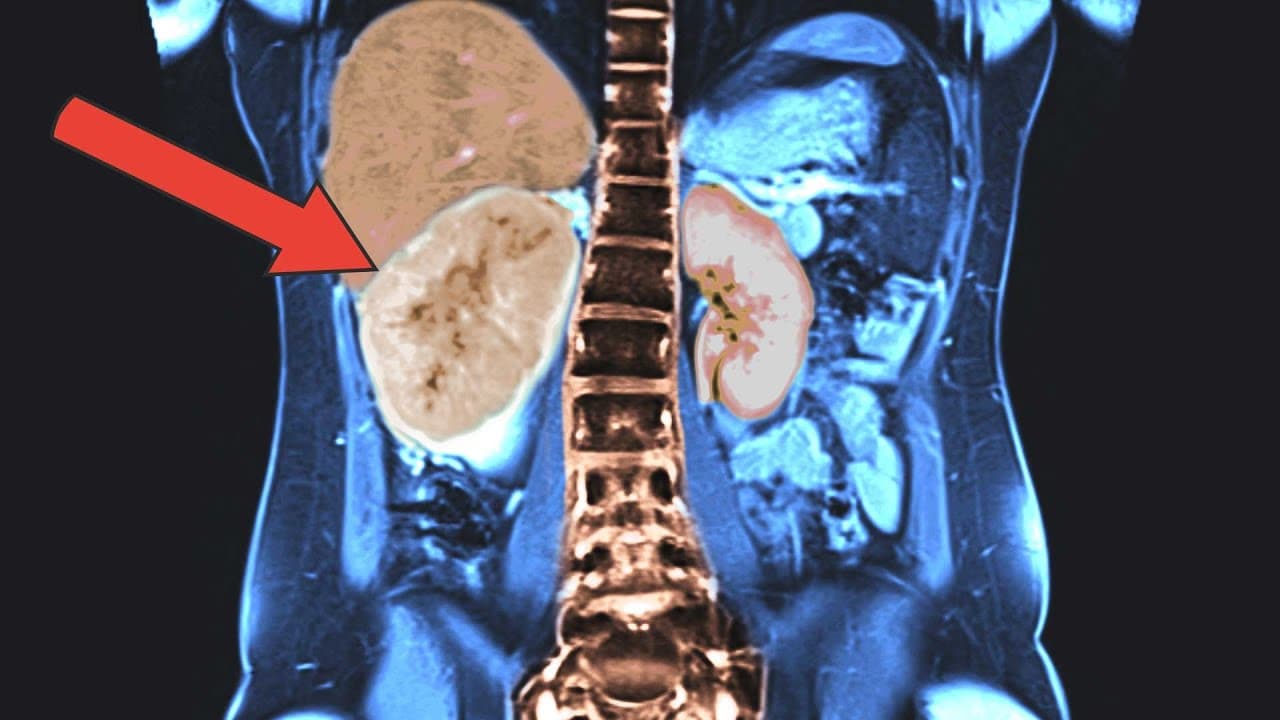
KC's persistent headaches led to a diagnosis of metastatic renal oncocytoma, a rare cancer typically deemed non-metastatic. Despite initial misdiagnoses of anxiety, further imaging revealed tumors on her kidney and liver, challenging existing medical literature and treatment protocols. Her experience underscores the need for patient advocacy in the face of rare cancers.
Transcript
A Woman Had A 3 Day Long Headache. This Is What Her Kidney Did To Her Liver. KC is a 28-year-old woman presenting to the emergency room with a throbbing headache. She tells the admitting nurse that this pain had been ongoing nonstop for at least the last 3 days. 6 Months earlier, KC started having massive abdominal cramps that would happe... Read More
Key Insights
- 👍 Renal oncocytoma is a rare form of kidney cancer that is typically considered benign and non-metastatic, but KC's case proved otherwise.
- 😷 KC's journey highlights the challenges of diagnosing and treating rare and atypical cancers, as existing medical literature may not provide accurate guidance.
- 🖐️ Personal advocacy and community support played crucial roles in KC's treatment journey, demonstrating the importance of patient engagement and support networks.
Install to Summarize YouTube Videos and Get Transcripts
Explore YouTube Video Summarizer or Get YouTube Transcript Extractor
Questions & Answers
Q: How did KC's persistent headache initially lead to the discovery of her cancer?
KC's prolonged headache prompted her to seek medical attention. While doctors suspected anxiety at first, further investigations revealed other symptoms and abnormalities that led to the discovery of tumors in her kidney and liver.
Q: What challenges did KC face in getting a proper diagnosis for her condition?
KC faced challenges in getting a proper diagnosis due to her atypical presentation and a lack of understanding about the metastatic nature of her renal oncocytoma. Existing medical literature and online resources provided limited information on her specific case.
Q: What treatment options were available to KC for her metastatic renal oncocytoma?
KC was initially prescribed a combination of medications used for a different type of kidney cancer, hoping to shrink the tumors and prevent further spread. However, she experienced bleeding complications, and the treatment plan was reevaluated. Eventually, she underwent surgery to remove her kidney and visible liver tumors.
Q: How did KC's community support help with her treatment journey?
KC's local community responded to her plea for blood donations, providing the necessary resources for her surgery. Their support helped ensure that the surgery could proceed as planned and gave KC a chance at a successful outcome.
Key Insights:
- Renal oncocytoma is a rare form of kidney cancer that is typically considered benign and non-metastatic, but KC's case proved otherwise.
- KC's journey highlights the challenges of diagnosing and treating rare and atypical cancers, as existing medical literature may not provide accurate guidance.
- Personal advocacy and community support played crucial roles in KC's treatment journey, demonstrating the importance of patient engagement and support networks.
- Understanding the heterogeneity of kidney cancers is essential, as different subtypes can arise from similar cell types but exhibit varying behavior and response to treatment.
Summary & Key Takeaways
-
KC, a young woman, presents to the emergency room with a persistent headache and high heart rate. Doctors initially diagnose her with anxiety but later discover symptoms of abdominal pain, hair loss, and weight loss.
-
After multiple visits to various specialists, KC is referred for a colonoscopy, but a hard mass in her abdomen raises concerns. Further imaging reveals tumors on both her kidney and liver, indicating metastatic cancer.
-
KC's rare case defies conventional knowledge about renal oncocytoma, which is typically benign and does not spread. Treatment options and surgery are limited, but she receives a medication typically used for a different type of kidney cancer.
Read in Other Languages (beta)
Share This Summary 📚
Summarize YouTube Videos and Get Video Transcripts with 1-Click
Try YouTube Summary with ChatGPT & Claude or YouTube Transcript Generator
Explore More Summaries from Chubbyemu 📚


Summarize YouTube Videos and Get Video Transcripts with 1-Click
Try YouTube Summary with ChatGPT & Claude or YouTube Transcript Generator