Automation changes translation
TL;DR
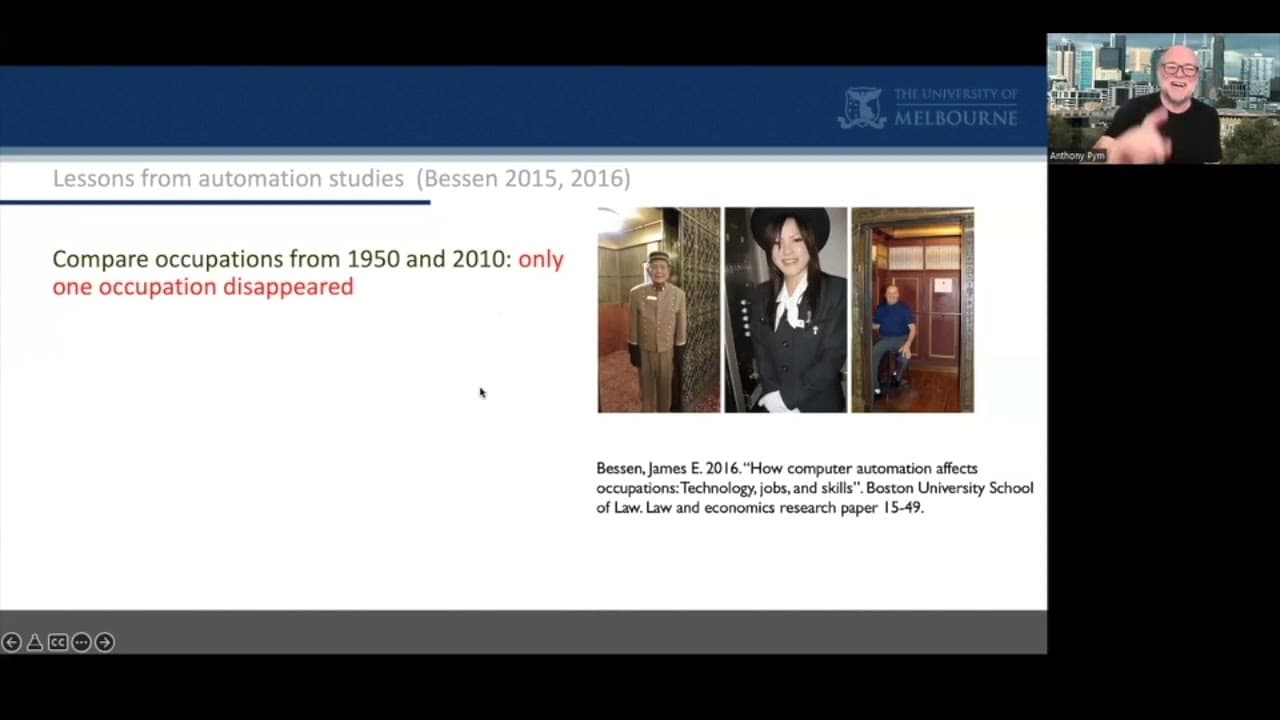
Automation is changing the nature of jobs in the translation industry, but it is not destroying employment opportunities.
Transcript
automation automation is just when something is done by non-humans usually a human task becomes a non-human one there you've got machines making cars for us and that happens in Mt in Translation memory software natural language generation project management and anything else you can imagine with language work these days there's an element of Automa... Read More
Key Insights
- 🎰 Automation is transforming the translation industry, with tasks being replaced by machines.
- 🤨 The growth of free online machine translation has raised concerns about job security for professional translators.
- 😨 However, the overall impact of automation on employment in the industry is not as severe as initially feared.
- 😘 Wage dispersion is a concern, with automation leading to higher wages for certain specialized roles while leaving others with lower incomes.
- 🔒 Translators can maintain job security by developing specialized skills that are resistant to automation.
- 🚱 The translation industry is experiencing a shift towards non-redundant tasks that require complex cognitive abilities.
- ✍️ Automation is creating new job opportunities in areas such as post-editing, technical writing, and project management.
Install to Summarize YouTube Videos and Get Transcripts
Explore YouTube Video Summarizer or Get YouTube Transcript Extractor
Questions & Answers
Q: Will automation lead to job loss in the translation industry?
While automation is changing the nature of translation jobs, it is not causing significant job loss. Professional translators are still in demand, and automation is creating new tasks and opportunities in the industry.
Q: How are professional translators adapting to automation?
Professional translators are embracing automation and using it as a tool to enhance their work. They are focused on non-redundant tasks that require complex cognitive skills, such as post-editing, technical writing, project management, and terminology database management.
Q: Is wage dispersion a concern in the translation industry?
Yes, wage dispersion is a significant issue in the industry. Automation often leads to higher wages for those who possess the necessary technical skills, while others may experience stagnant or lower incomes. This trend can contribute to the disappearance of the middle class in post-industrial economies.
Q: How can translators maintain job security in the face of automation?
Translators can adapt by developing specialized skills that are resistant to automation, such as post-editing, transcreation, transadaptation, and promotional work. By focusing on non-redundant tasks that require complex cognitive abilities, translators can differentiate themselves and ensure job security.
Summary & Key Takeaways
-
Automation is transforming the translation industry, with tasks that were once performed by humans now being done by machines.
-
The rise of free online machine translation, such as Google Translate, has led to concerns about job security for professional translators.
-
However, the overall impact of automation in the industry is not as dire as initially feared, with the growth of translation jobs remaining steady.
Read in Other Languages (beta)
Share This Summary 📚
Summarize YouTube Videos and Get Video Transcripts with 1-Click
Try YouTube Summary with ChatGPT & Claude or YouTube Transcript Generator
Explore More Summaries from Anthony Pym 📚





Summarize YouTube Videos and Get Video Transcripts with 1-Click
Try YouTube Summary with ChatGPT & Claude or YouTube Transcript Generator