The Problem With Life Expectancy
TL;DR
Life expectancy varies based on different definitions and calculations, such as life expectancy at birth, life expectancy after babyhood, and maximum life expectancy.
Transcript
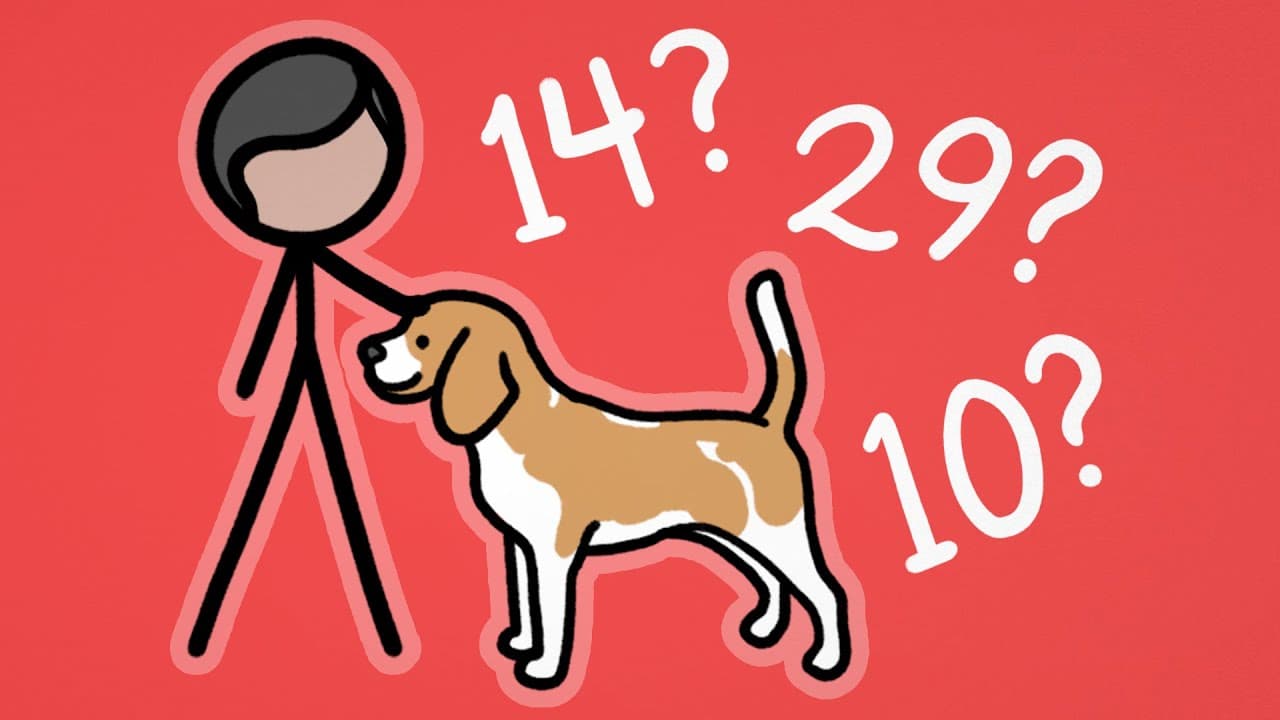
Hi, this is David from MinuteEarth. If you look up the life expectancy of a human, you’ll find that it’s about 72 years. For a dog, you’ll find that it’s about 14 years. And for a loggerhead sea turtle, you’ll see that it’s about 80 years. But these numbers can’t actually be compared because they were calculated using three different defi... Read More
Key Insights
- 🛟 Life expectancy varies based on the definition used, such as at birth, after babyhood, or as maximum life expectancy.
- 🤕 The survival curves show important patterns such as infant mortality rates, early adulthood threats, and old age survival.
- 😘 Humans and dogs have similar drop-offs in their survival curves during early adulthood, indicating low infant mortality and self-sufficiency.
Install to Summarize YouTube Videos and Get Transcripts
Explore YouTube Video Summarizer or Get YouTube Transcript Extractor
Questions & Answers
Q: How do the different definitions of life expectancy affect the calculated numbers for humans, dogs, and sea turtles?
The different definitions of life expectancy result in varying numbers because they consider different factors such as infant mortality and the maximum lifespan of individuals.
Q: Why do humans and dogs have a similar dropoff in the survival curve during early adulthood?
Humans and dogs have a similar dropoff because they both have relatively low infant mortality rates and are capable of taking care of themselves during early adulthood.
Q: What does the flatter curve in the survival curve of sea turtles in old age suggest?
The flatter curve suggests that sea turtles that reach old age are better protected from death and have a lower risk of getting sick compared to when they were younger.
Q: How can understanding survival curves help us learn more about different animal species?
By graphing the ages at which animals die and looking at the survival curves, we can gain insights into factors such as infant mortality rates, early adulthood threats, and the characteristics of the oldest individuals.
Summary & Key Takeaways
-
Life expectancy is calculated differently for humans, dogs, and sea turtles, leading to varying numbers.
-
Humans use life expectancy at birth, averaging out the age when individuals die.
-
Dogs use life expectancy after babyhood, ignoring animals that die early in life.
-
Sea turtles use maximum life expectancy, focusing on how long the oldest individuals live.
Read in Other Languages (beta)
Share This Summary 📚
Summarize YouTube Videos and Get Video Transcripts with 1-Click
Try YouTube Summary with ChatGPT & Claude or YouTube Transcript Generator
Explore More Summaries from MinuteEarth 📚




Summarize YouTube Videos and Get Video Transcripts with 1-Click
Try YouTube Summary with ChatGPT & Claude or YouTube Transcript Generator