Explosions reported in Tehran and Karaj
TL;DR
The Iran-Israel conflict is complex and ongoing with significant international implications.
Transcript
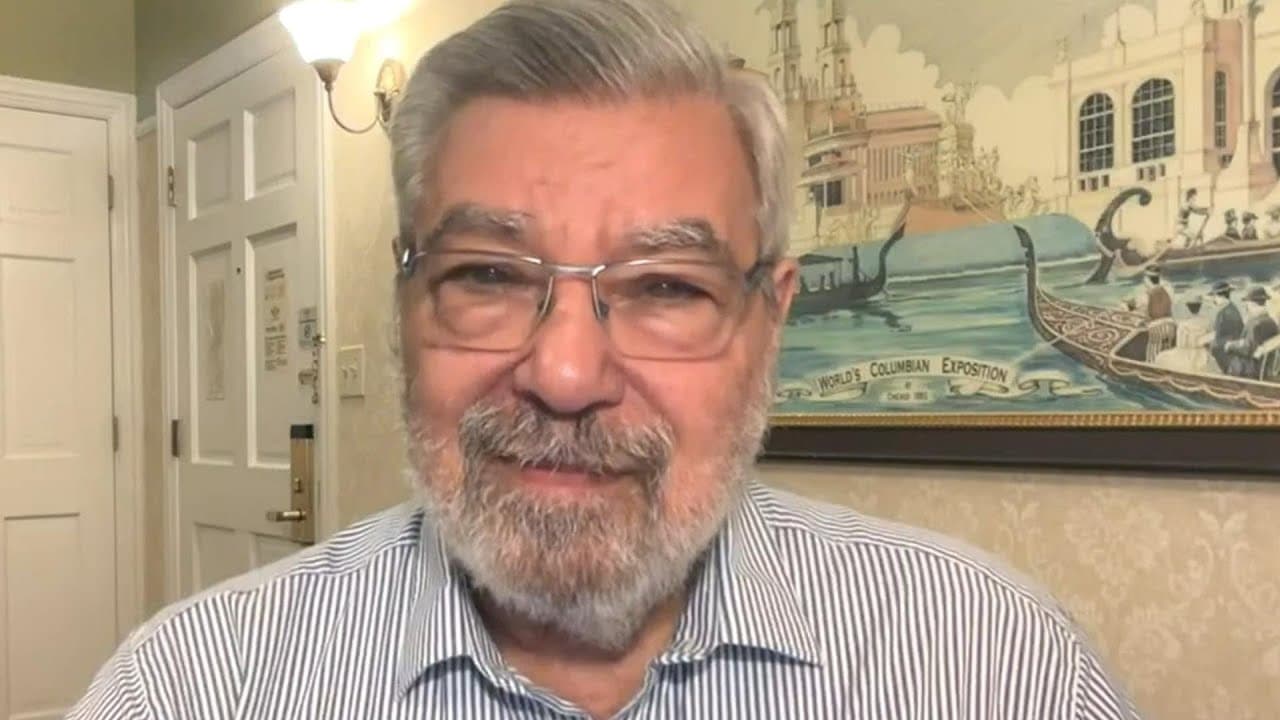
get some analysis now from Rammy Huri he is a distinguished public policy fellow at the American University of Beirut and joins me live from Chicago it's really good to see you Ramy thank you for being with us on the program now a lot hinges on the on the next moves that Donald Trump takes regarding this escalating conflict between uh Iran and Isra... Read More
Key Insights
- The conflict between Iran and Israel is highly dynamic and unpredictable, involving significant military capabilities and international interests.
- The international system, including the UN, has been undermined by actions in Gaza and Iran, impacting civilian protections.
- Historical interventions by Western powers, such as the 1953 overthrow in Iran, continue to influence current geopolitical dynamics.
- Opposition to Israeli actions in Iran and Palestine is growing internationally, highlighting the need for ethical leadership.
- The US-Israel alliance is characterized by imperial behaviors such as arrogance, brutality, and immense military power.
- The US is already actively participating in the conflict by supporting Israel militarily and diplomatically.
- Iran's resistance is rooted in a strong sense of identity and history, opposing imperial subjugation by Western powers.
- Iran is open to negotiations and peaceful coexistence, challenging the narrative of it being a rogue state.
Install to Summarize YouTube Videos and Get Transcripts
Explore YouTube Video Summarizer or Get YouTube Transcript Extractor
Questions & Answers
Q: What factors make the Iran-Israel conflict unpredictable?
The Iran-Israel conflict is unpredictable due to the dynamic and volatile nature of the situation, involving significant military capabilities on both sides and international interests. The backdrop of international latitude, biases, and incompetence further complicates the ability to predict outcomes.
Q: How has the international system been affected by the conflict?
The international system, including the UN and various treaties, has been undermined by actions in Gaza and Iran. This has impacted the ability to protect civilians and uphold their rights, leading to a breakdown in international norms and protections.
Q: What historical events influence the current conflict dynamics?
Historical events such as the 1953 overthrow of Iran's prime minister by the UK, France, and Israel continue to influence current dynamics. These interventions have left lasting impacts on regional politics and contribute to the ongoing tensions between Iran and Western powers.
Q: What is the global response to Israeli actions in the region?
There is growing international opposition to Israeli actions in Iran and Palestine, particularly in Gaza. This opposition highlights the need for ethical leadership and a reevaluation of current strategies to address the ongoing conflict and its humanitarian impacts.
Q: How is the US involved in the Iran-Israel conflict?
The US is actively involved in the Iran-Israel conflict by providing Israel with funds, armaments, intelligence, and diplomatic support. This involvement tilts the military balance in Israel's favor and underscores the US's direct participation in the conflict.
Q: What drives Iran's resistance against Western powers?
Iran's resistance is driven by a strong sense of identity, history, and commitment to their rights. This resistance is rooted in opposition to imperial subjugation by Western powers, reflecting a broader historical pattern of defiance against external domination.
Q: Is Iran open to negotiations and peaceful coexistence?
Yes, Iran is open to negotiations and has already reached agreements, indicating a willingness for peaceful coexistence. This challenges the portrayal of Iran as a rogue state and highlights its commitment to diplomatic solutions.
Q: What are the core elements of the US-Israel alliance?
The US-Israel alliance is characterized by imperial behaviors such as arrogance, brutality, lies, theatrical drama, and immense military power. These elements contribute to the ongoing conflict dynamics and complicate efforts toward resolution.
Summary & Key Takeaways
-
The conflict between Iran and Israel is marked by unpredictability and significant military involvement from both sides, with the US supporting Israel. Historical Western interventions continue to influence the situation.
-
International systems meant to protect civilians have been undermined, and there is growing global opposition to Israeli actions, emphasizing the need for ethical leadership in resolving the conflict.
-
Iran's resistance is driven by a strong sense of identity and history, opposing imperial subjugation, and it remains open to negotiations, countering the portrayal of it as a rogue state.
Read in Other Languages (beta)
Share This Summary 📚
Summarize YouTube Videos and Get Video Transcripts with 1-Click
Try YouTube Summary with ChatGPT & Claude or YouTube Transcript Generator
Explore More Summaries from TRT World Now 📚
Summarize YouTube Videos and Get Video Transcripts with 1-Click
Try YouTube Summary with ChatGPT & Claude or YouTube Transcript Generator