Does Cinderella Promote a Strong Feminine Role Model?
TL;DR
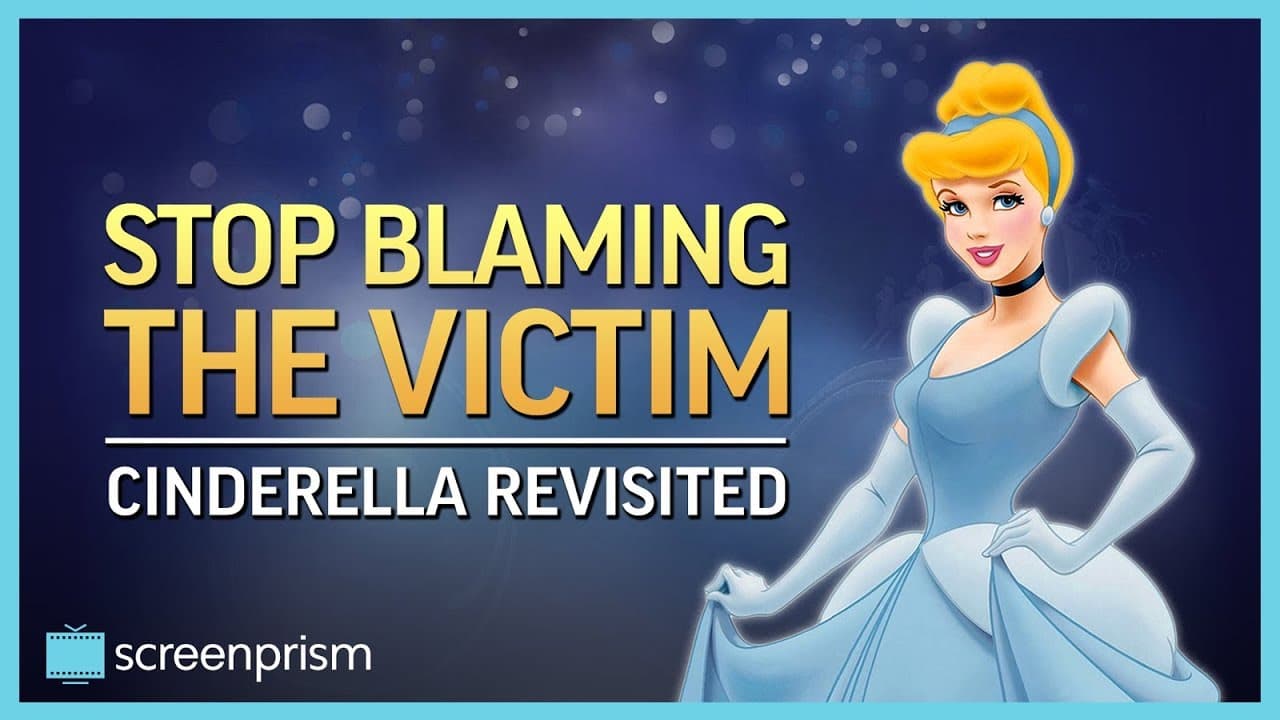
Cinderella is not a weak woman needing rescue; instead, she exemplifies strength by facing adversity and utilizing her inner resilience. Through kindness and optimism, she navigates her abusive environment, proving that her dreams and imagination are powerful tools for self-liberation. The glass slipper symbolizes her strength and agency, making her triumph over her circumstances a story of empowerment.
Transcript
Cinderella has gotten a lot of grief in recent years for being anti-feminist, but does the movie really deserve this hate? The 1950 film is often assumed to be a story about a weak, passive woman who has to be rescued by Prince Charming and becomes a rich, happy princess thanks to pure dumb luck and a pretty face. The film has become a straw man fo... Read More
Key Insights
- 😚 Cinderella's character is often misunderstood and criticized for promoting anti-feminist ideas, but a closer look reveals a story of strength and empowerment.
- 🎥 The film addresses themes of abuse, trauma, and resilience, highlighting the importance of not blaming victims for their situations.
- 🍽️ Cinderella's dreams and fantasies represent her inner strength and determination to escape her abusive environment.
- 🥶 The glass slipper symbolizes Cinderella's dreams made real and serves as a tool for her to break free from her oppressors.
- 🤴 The prince's role in the story is secondary to Cinderella's personal growth and journey towards freedom and independence.
- 📶 Cinderella's kindness, compassion, and resourcefulness are sources of strength and empowerment, rather than signs of weakness.
- ✊ The friendships Cinderella forms through her kindness are crucial to her escape and highlight the power of compassion and reciprocity.
Install to Summarize YouTube Videos and Get Transcripts
Explore YouTube Video Summarizer or Get YouTube Transcript Extractor
Questions & Answers
Q: Is Cinderella a weak, passive woman who needs to be saved by Prince Charming?
No, Cinderella is a strong woman who faces adversity and uses her inner strength to overcome her situation. She chooses kindness and optimism even when it's hard and demonstrates resilience throughout the film.
Q: Does Cinderella's character reflect stereotypical feminine traits?
Yes, Cinderella's character embodies kindness, caring, and optimism, which are often seen as stereotypically feminine traits. However, these qualities should not be devalued as they can be sources of strength and empowerment.
Q: Does Cinderella's story revolve around finding a prince?
No, Cinderella's desire to attend the ball is not about finding a prince but rather about finding freedom, choice, and agency over her own life. The prince's role in the story is secondary to Cinderella's journey of self-discovery and escape from her abusive household.
Q: Does Cinderella ultimately save herself?
Yes, Cinderella saves herself by providing herself with the one thing that could free her from her abusive household - the glass slipper. She relies on her imagination, resourcefulness, and the help of her friends to escape her oppressive situation.
Key Insights:
- Cinderella's character is often misunderstood and criticized for promoting anti-feminist ideas, but a closer look reveals a story of strength and empowerment.
- The film addresses themes of abuse, trauma, and resilience, highlighting the importance of not blaming victims for their situations.
- Cinderella's dreams and fantasies represent her inner strength and determination to escape her abusive environment.
- The glass slipper symbolizes Cinderella's dreams made real and serves as a tool for her to break free from her oppressors.
- The prince's role in the story is secondary to Cinderella's personal growth and journey towards freedom and independence.
- Cinderella's kindness, compassion, and resourcefulness are sources of strength and empowerment, rather than signs of weakness.
- The friendships Cinderella forms through her kindness are crucial to her escape and highlight the power of compassion and reciprocity.
- Cinderella's character challenges traditional gender roles and shows that femininity can be strong and empowering.
Summary & Key Takeaways
-
Cinderella is often criticized for being anti-feminist and promoting the idea of a helpless woman needing to be saved by a prince, but this is a misreading of the film.
-
The character of Cinderella faces emotional and physical abuse and should not be blamed for her inability to escape her situation.
-
Cinderella's story is one of facing adversity, choosing kindness and optimism, and using her own creativity and inner strength to rescue herself.
Read in Other Languages (beta)
Share This Summary 📚
Summarize YouTube Videos and Get Video Transcripts with 1-Click
Try YouTube Summary with ChatGPT & Claude or YouTube Transcript Generator
Explore More Summaries from The Take 📚





Summarize YouTube Videos and Get Video Transcripts with 1-Click
Try YouTube Summary with ChatGPT & Claude or YouTube Transcript Generator