How to Win Your Debt Collection Lawsuit Response
TL;DR
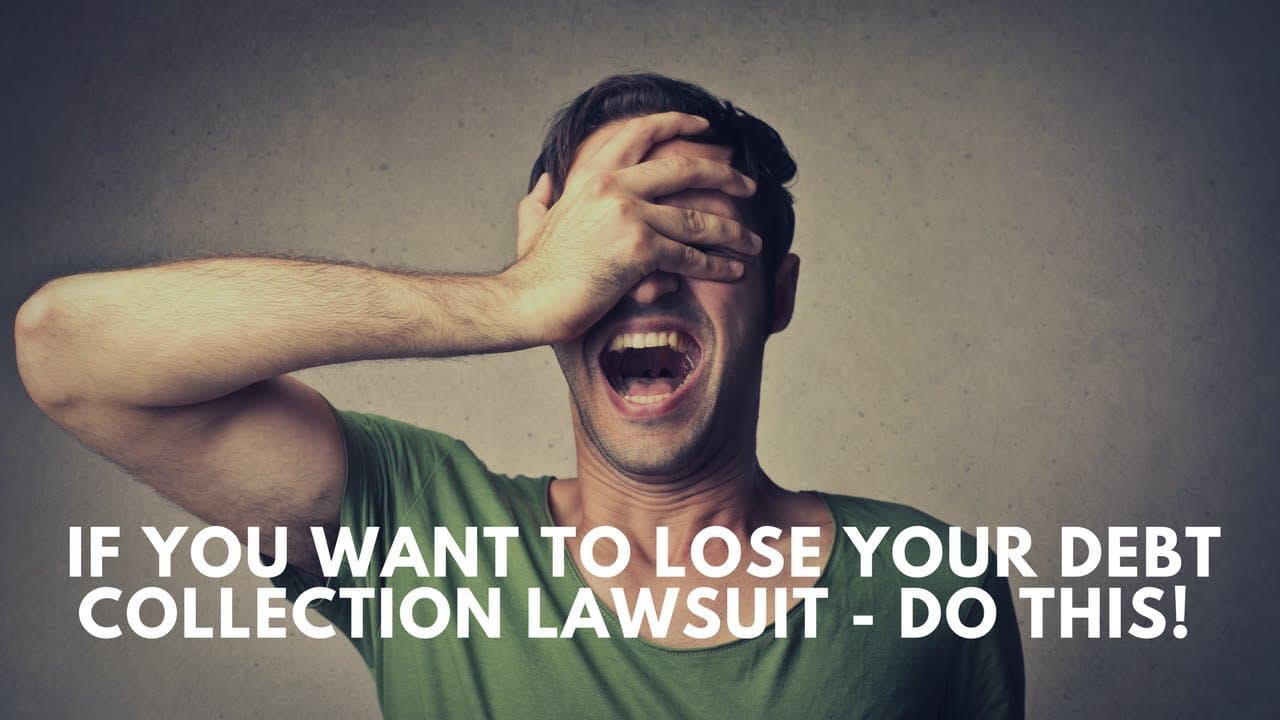
To win a debt collection lawsuit, focus solely on admitting or denying the specific allegations made by the junk debt buyer. Avoid sharing your side of the story or unrelated information, as this can lead to a quick loss. Remember, the court only needs to determine legal obligations, not payment terms or settlements.
Transcript
(upbeat music) - Hey everybody, welcome back to the Consumer Warrior Project. I'm your host, John, Skiba, and I'm a consumer protection attorney in the state of Arizona. I'm also a Ramsey Solutions Master Financial Coach where I help people to get out of debt and stay that way. In today's episode and today's video, what I wanted to talk about is so... Read More
Key Insights
- 📁 Junk debt buyers purchase old, charged off debts and file lawsuits on them, often leading to individuals representing themselves in court.
- 😚 Many individuals lose these lawsuits quickly because they make the mistake of sharing their side of the story in their response instead of focusing on admitting or denying the specific allegations.
- 🍉 Courts are only interested in determining legal obligations and not payment terms or settlement negotiations.
- 💁 Respondents should only admit or deny the specific allegations made by the junk debt buyer and not provide additional information or explanations.
- ❓ Individuals can deny allegations if they have no independent knowledge or evidence supporting them.
- 😌 The burden of proof lies with the plaintiff, and respondents should make them prove their case.
- 🥳 A quick loss in the case can occur if individuals admit all the allegations, as there might be no dispute left between the parties.
Install to Summarize YouTube Videos and Get Transcripts
Explore YouTube Video Summarizer or Get YouTube Transcript Extractor
Questions & Answers
Q: Why do many people lose debt collection lawsuits quickly?
Many self-represented individuals make the mistake of sharing their side of the story instead of focusing on admitting or denying the specific allegations made by the junk debt buyer. This unrelated information can lead to a quick loss in the case.
Q: What should individuals include in their response to a debt collection lawsuit?
Individuals should only focus on admitting or denying the specific allegations made in the complaint. They do not need to provide unrelated information or tell their side of the story.
Q: Can individuals deny the allegations made by the junk debt buyer if they have no independent knowledge of them?
Yes, individuals can deny allegations about owning a certain amount of debt or the transfer of the debt to the junk debt buyer if they have no independent knowledge or evidence supporting these claims. The burden of proof lies with the plaintiff.
Q: What happens if individuals admit all the allegations made by the junk debt buyer in their response?
If individuals admit all the allegations, there might be no dispute between the parties, and the junk debt buyer can file a motion for judgment on the pleadings, resulting in a quick loss for the individual. It is essential to admit or deny specific allegations to maintain a legal dispute.
Summary & Key Takeaways
-
Junk debt buyers purchase old, charged off debts and file lawsuits on them, with many individuals representing themselves in these lawsuits and losing quickly.
-
The number one mistake people make is using their response to share their side of the story instead of admitting or denying the specific allegations in the complaint.
-
Courts are only concerned with determining if there is a legal obligation, and unrelated information provided by respondents can lead to a quick loss in the case.
Read in Other Languages (beta)
Share This Summary 📚
Summarize YouTube Videos and Get Video Transcripts with 1-Click
Try YouTube Summary with ChatGPT & Claude or YouTube Transcript Generator
Explore More Summaries from Consumer Warrior 📚
Summarize YouTube Videos and Get Video Transcripts with 1-Click
Try YouTube Summary with ChatGPT & Claude or YouTube Transcript Generator