空き家問題をDAOで解決!?AkiyaDAO | Joi Ito's Podcast
TL;DR
Akiya Dao is an initiative to renovate abandoned houses in Japan and transform them into thriving communities for creative individuals and artists.
Transcript
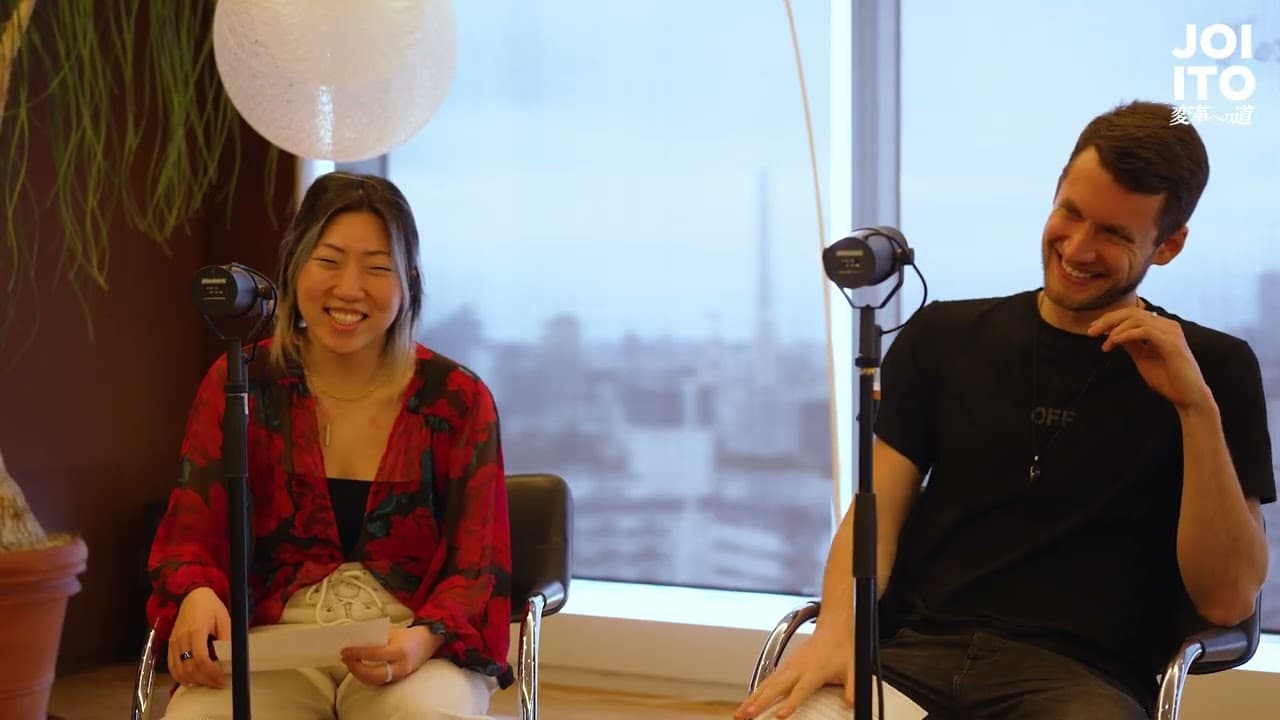
joita's podcast is we have Michelle Wong and William Skinner here from Akiya Dao welcome to the show thank you so much it's good to be here thanks for having us can you guys tell me a little bit about what akiado is of course um so hidal is basically an initiative to be able to renovate Ikeas into flourishing communities for human creativity Builde... Read More
Key Insights
- 👪 Akiya Dao aims to create flourishing communities through the revitalization of abandoned homes in Japan.
- 🩺 Co-governance and collective decision-making are central to Akiya Dao's ethos.
- 🕸️ The project thrives on the intersection of web 3 technology, real-world applications, and environmental sustainability.
- 👹 Building partnerships with local governments and embracing Japanese culture are crucial for the success of Akiya Dao.
- 👋 Akiya Dao seeks to strike a balance between financial sustainability and promoting social good.
- 🧑🎨 The project envisions a diverse and inclusive community of creative individuals, artists, builders, and hackers.
- 🩺 Akiya Dao embraces the ethos of solar punk, striving for environmentally friendly and sustainable practices.
Install to Summarize YouTube Videos and Get Transcripts
Explore YouTube Video Summarizer or Get YouTube Transcript Extractor
Questions & Answers
Q: What is Akiya Dao and what is its main goal?
Akiya Dao aims to renovate abandoned homes in Japan and transform them into thriving communities for creativity, art, and ecological experimentation.
Q: What does co-governance mean in the context of Akiya Dao?
Co-governance refers to the collective decision-making process within the community, allowing members to collectively decide on the allocation of resources and the future of the space. It encompasses both digital and physical realms.
Q: How did Michelle Wong and William Skinner start Akiya Dao?
Michelle and William met during a web 3 cohort called Kernel. They bonded over their shared interest in eco-consciousness and the potential of transforming abandoned Ikeas in Japan. This led them to start Akiya Dao together.
Q: What are the challenges faced by Akiya Dao?
Some challenges include language barriers, navigating the complex process of purchasing Ikeas in Japan, and fundraising for a project that prioritizes social good over financial returns.
Key Insights:
- Akiya Dao aims to create flourishing communities through the revitalization of abandoned homes in Japan.
- Co-governance and collective decision-making are central to Akiya Dao's ethos.
- The project thrives on the intersection of web 3 technology, real-world applications, and environmental sustainability.
- Building partnerships with local governments and embracing Japanese culture are crucial for the success of Akiya Dao.
- Akiya Dao seeks to strike a balance between financial sustainability and promoting social good.
- The project envisions a diverse and inclusive community of creative individuals, artists, builders, and hackers.
- Akiya Dao embraces the ethos of solar punk, striving for environmentally friendly and sustainable practices.
- Akiya Dao aims to be a long-term project, continuously evolving and expanding its impact over time.
Summary & Key Takeaways
-
Akiya Dao aims to turn empty homes into collective spaces for creative expression, art installations, and permaculture experiments.
-
Co-governance is a key element of Akiya Dao, allowing collective decision-making and allocation of resources within the community.
-
The project was initiated by Michelle Wong and William Skinner through a web 3 cohort called Kernel, where they met and discovered their shared interest in eco-consciousness and the potential of revitalizing abandoned Ikeas in Japan.
Read in Other Languages (beta)
Share This Summary 📚
Summarize YouTube Videos and Get Video Transcripts with 1-Click
Try YouTube Summary with ChatGPT & Claude or YouTube Transcript Generator