Do We Actually Need Debt?
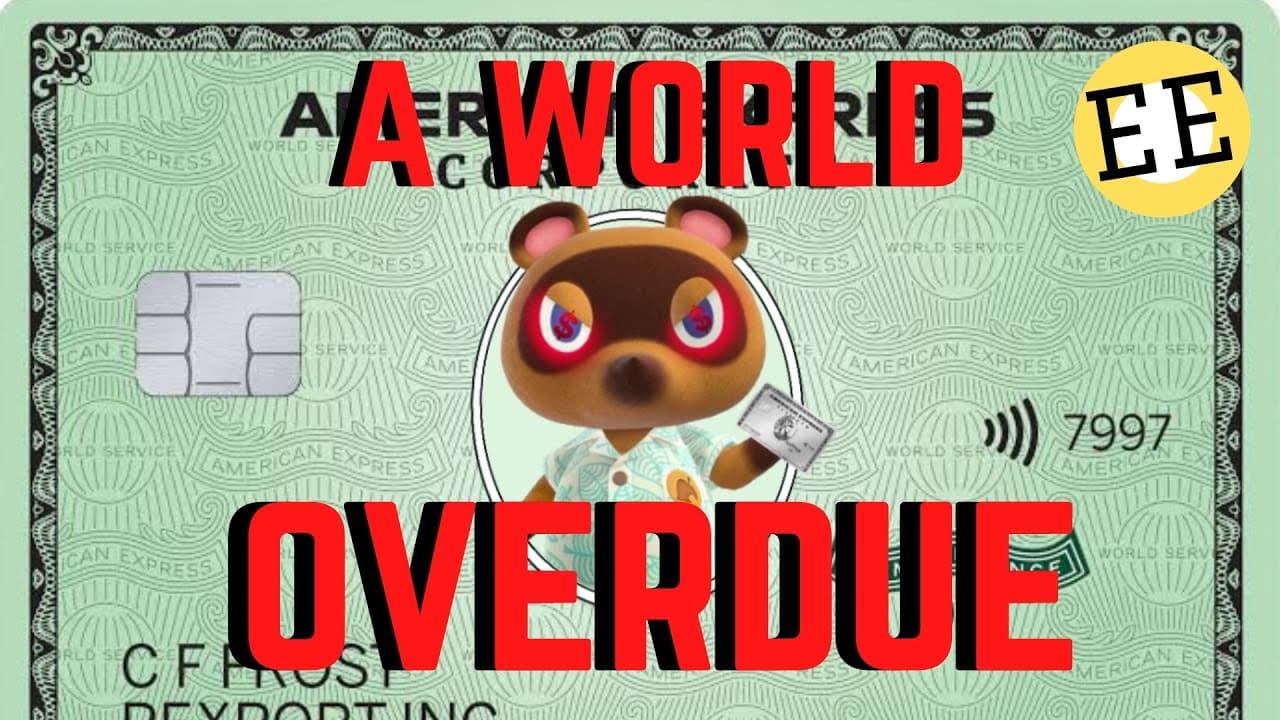
TL;DR
The video explores the necessity and impact of debt in economies.
Transcript
it seems like today that debt is an ever more prevalent part of the narrative of modern financial crises people were over leveraged on some financial market or the home mortgages that we've based our entire financial sector around have blown up or some country tanked its entire economy by borrowing just a little bit too much and even today our over... Read More
Key Insights
- Debt is a significant factor in modern financial crises, often leading to economic instability and recessions every decade.
- While traditionally seen as negative, some economists argue that certain types of debt can be beneficial for economic growth.
- Debt allows individuals and businesses to make economic contributions sooner, potentially leading to overall societal benefits.
- The modern monetary system creates money through loans, which can lead to positive economic activity without taking existing money.
- Assumptions about debt, such as responsible lending and wealth creation, often do not hold true in reality, leading to economic issues.
- Without debt, demand for housing and other large purchases would decrease, potentially lowering prices but also reducing economic activity.
- Islamic banking provides an alternative model where interest is not charged, focusing instead on profit-sharing and direct investments.
- The current economic system is heavily reliant on debt, making a transition to a debt-free model nearly impossible, but understanding debt's role can lead to better personal financial decisions.
Install to Summarize YouTube Videos and Get Transcripts
Explore YouTube Video Summarizer or Get YouTube Transcript Extractor
Questions & Answers
Q: What is the main argument presented about debt in the video?
The video argues that while debt is often seen as a negative factor, it can also be a tool for economic growth by allowing individuals and businesses to contribute to the economy sooner than they would be able to without it. However, it also highlights the risks and assumptions associated with debt, questioning whether economies could function without it.
Q: How does the video describe the creation of money in the modern monetary system?
The video explains that in the modern monetary system, banks create money out of nothing when they issue loans. This process does not involve moving existing money from one place to another but rather generating new money, which is secured by the promise of repayment. This system allows for economic activity without taking money away from others.
Q: What are some potential drawbacks of a debt-free economy mentioned in the video?
A debt-free economy could lead to reduced demand for large purchases, such as housing, as fewer people would be able to afford them without loans. This could lower prices but also reduce economic activity and material wealth, as fewer homes and goods would be produced. The video suggests that this could lead to a less dynamic economy.
Q: How does Islamic banking differ from traditional banking according to the video?
Islamic banking differs from traditional banking by not charging interest on loans, as this is considered immoral in Islamic finance. Instead, these banks invest directly in projects or properties, sharing profits with clients. This model focuses on long-term investments and sustainable growth, avoiding the debt-based approach of conventional banks.
Q: What role does debt play in financial crises, according to the video?
The video suggests that financial crises are often debt crises, as economies become over-leveraged and unable to sustain growth without continuous borrowing. These crises are seen as part of the business cycle, but they indicate that the economic system might be pushing beyond its sustainable limits by relying heavily on debt.
Q: What assumptions about debt are challenged in the video?
The video challenges several assumptions about debt, including the idea that only sensible projects receive funding, that interest rates align with wealth creation, and that loans are necessary for economic activity. It argues that these assumptions are often incorrect, leading to economic issues and questioning the necessity of debt.
Q: How does the video suggest individuals can better manage debt?
The video suggests that individuals can better manage debt by understanding its role and limitations, using it wisely for productive purposes rather than consumer spending. By recognizing debt as a tool rather than a necessity, individuals can make more informed financial decisions and avoid becoming overly reliant on borrowing.
Q: What is the video's perspective on the future of debt in economies?
The video acknowledges that completely eliminating debt from economies is unlikely due to the current system's complexity and reliance on borrowing. However, it emphasizes the importance of understanding debt's role and exploring alternative models, like Islamic banking, to potentially mitigate the negative impacts of debt and improve economic sustainability.
Summary & Key Takeaways
-
The video examines the role of debt in modern economies, questioning whether it is a necessary component for economic growth or a source of financial instability. It discusses various perspectives on debt, including its potential benefits and drawbacks, and explores alternative economic models that do not rely on debt.
-
Debt is portrayed as both a tool for economic advancement and a catalyst for financial crises. The video explores the concept of 'good debt' and how it can enable economic contributions that might otherwise be delayed, while also highlighting the assumptions that underpin the current debt-based financial system.
-
The video delves into the possibility of operating an economy without debt, citing Islamic banking as an example of a debt-free financial model. It discusses the implications of a debt-free economy on housing, business investments, and overall economic sustainability, suggesting that understanding debt's role is crucial for making informed financial decisions.
Read in Other Languages (beta)
Share This Summary 📚
Summarize YouTube Videos and Get Video Transcripts with 1-Click
Try YouTube Summary with ChatGPT & Claude or YouTube Transcript Generator
Explore More Summaries from Economics Explained 📚
Summarize YouTube Videos and Get Video Transcripts with 1-Click
Try YouTube Summary with ChatGPT & Claude or YouTube Transcript Generator