Why the Oceans Are Getting Darker
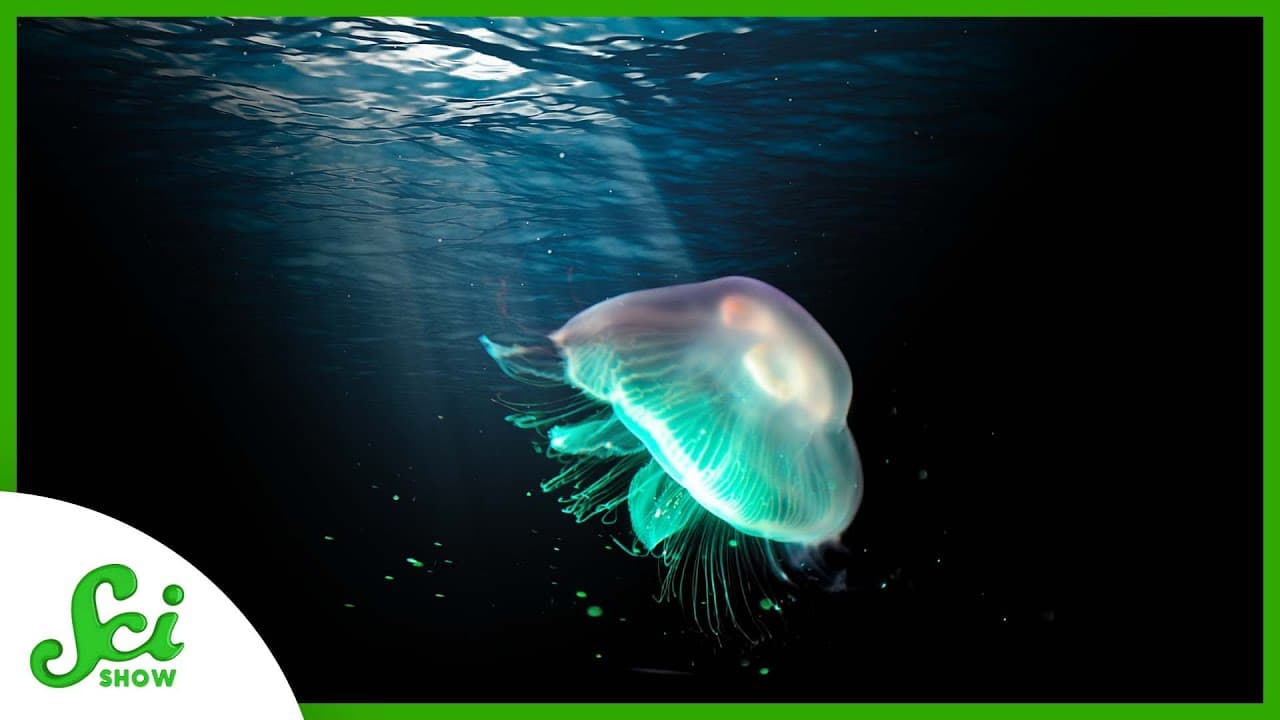
TL;DR
Coastal darkening is a newly discovered phenomenon where the ocean's surface to seafloor gets darker due to factors like fertilizer runoff, boat traffic, and climate change.
Transcript
This episode of SciShow is sponsored by Endel, an app that creates personalized soundscapes to help you focus, relax and sleep. The first 100 people to download Endel using our link in the description will get a free week of audio experiences. [♪ INTRO] In our time on Earth, we humans have changed the natural environment in not so great ways. Som... Read More
Key Insights
- 🧑🏭 Coastal darkening is a newly discovered phenomenon caused by factors like fertilizer runoff, boat traffic, and climate change.
- 🌊 The phenomenon affects the entire water column, reducing sunlight penetration and impacting marine organisms and ocean chemistry.
- ❓ It can have detrimental effects on phytoplankton density, marine organisms that rely on sight for hunting, and the persistence of pollutants like methyl mercury.
- 🌱 Coastal darkening may also impact climate change by reducing the carbon sequestration abilities of marine plants like kelp.
Install to Summarize YouTube Videos and Get Transcripts
Explore YouTube Video Summarizer or Get YouTube Transcript Extractor
Questions & Answers
Q: What is coastal darkening?
Coastal darkening refers to the phenomenon where the ocean's water column, from surface to seafloor, becomes progressively darker due to factors like fertilizer runoff and boat traffic.
Q: How does coastal darkening affect marine organisms?
Coastal darkening reduces sunlight penetration, affecting phytoplankton's ability to grow and impacting the entire ecosystem. Marine organisms relying on sight for hunting may struggle to find food in darker waters.
Q: How does coastal darkening impact ocean chemistry?
Coastal darkening can lead to reduced sunlight reaching pollutants like methyl mercury, causing them to persist in the ecosystem and potentially harm marine life and human health.
Q: Can coastal darkening worsen climate change?
Yes, coastal darkening can impact climate change by reducing the carbon sequestration abilities of marine plants like kelp. If kelp takes in less carbon, darker oceans could potentially accelerate climate change.
Summary & Key Takeaways
-
Coastal darkening is a new phenomenon where coastal waters become darker due to factors like fertilizer runoff and boat traffic.
-
It affects the entire water column and reduces sunlight penetration, impacting marine organisms and ocean chemistry.
-
Darker oceans can also worsen climate change by reducing the carbon sequestration abilities of marine plants like kelp.
Read in Other Languages (beta)
Share This Summary 📚
Summarize YouTube Videos and Get Video Transcripts with 1-Click
Try YouTube Summary with ChatGPT & Claude or YouTube Transcript Generator
Explore More Summaries from SciShow 📚


Summarize YouTube Videos and Get Video Transcripts with 1-Click
Try YouTube Summary with ChatGPT & Claude or YouTube Transcript Generator