Davos 2015 - Shaping Davos: Conflict Resolution
TL;DR
Engage youth, address spoilers, foster trust through transparent actions.
Transcript
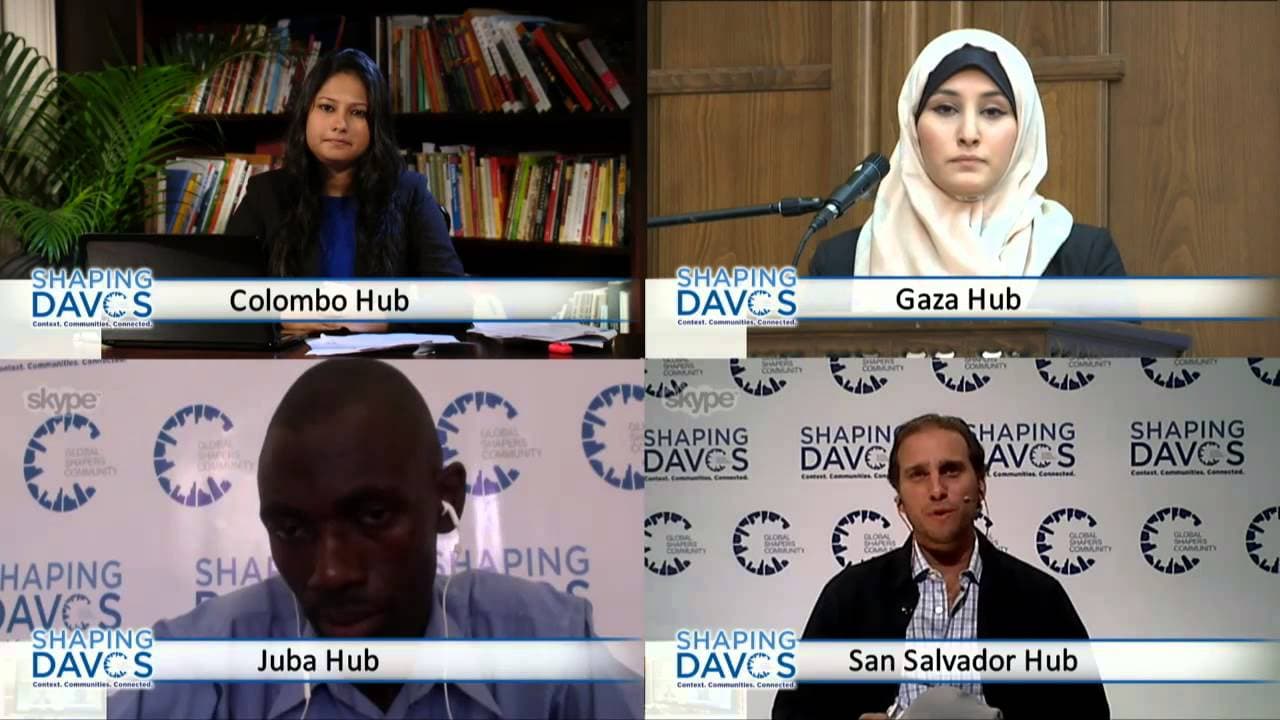
welcome to this session about what to do with long-standing conflicts what have we learned what has changed what are the new trends in conflicts and what are the new trends in conflict resolution to do that we have a great and fascinating way of connecting around the world uh we have this is part of a very innovative approach from the world economi... Read More
Key Insights
- 🫚 Leadership is essential but needs to be complemented by credible state institutions post-conflict to address root causes and engage youth.
- 🏛️ Truth-telling, inclusive dialogues, equitable resource allocation, and youth empowerment are foundational for building trust and reconciliation.
- 👨⚖️ Spoilers who benefit from perpetuating conflicts need to be addressed through accountability, justice, and rehabilitation programs to prevent conflict resurgence.
- 🏣 Academic institutions can provide balanced perspectives on post-conflict scenarios, contributing to a deeper understanding of conflict dynamics.
- ❓ Collaborative efforts between governments, civil society, academia, and youth are crucial for sustainable peacebuilding and conflict resolution.
- 🤩 Transparency, accountability, and dialogue are key to dismantling conflict spoilers and fostering trust within communities.
- ✌️ Engaging youth in post-conflict initiatives, promoting justice and economic opportunities, and building inclusive institutions are vital for lasting peace.
Install to Summarize YouTube Videos and Get Transcripts
Explore YouTube Video Summarizer or Get YouTube Transcript Extractor
Questions & Answers
Q: How can academia contribute to a balanced view of post-conflict scenarios?
Academia can offer unbiased analysis, research, and insights to better understand, address, and prevent conflicts by providing nuanced perspectives and critical analysis.
Q: Do most conflict solutions come from the people or their governments?
While people may desire peace, effective conflict resolution often requires leadership from governments to implement policies and initiatives that align with the people's aspirations for peace.
Q: What tools and strategies can be employed to build trust in societies with deep-rooted conflicts?
Truth-telling processes, inclusive dialogues, trust-building measures, equitable resource allocation, and youth engagement are key strategies to foster trust and reconciliation in post-conflict societies.
Q: How can new actors, such as academia and civil society groups, be effective in creating trust and dialogue in conflict-ridden regions?
By promoting accountability, advocating for justice, offering rehabilitation programs, and encouraging dialogue and transparency, new actors can play a crucial role in building bridges and fostering reconciliation in conflict zones.
Summary & Key Takeaways
-
Engage the youth post-conflict to prevent uprisings and ensure equitable opportunities for education and participation in civil society.
-
Address spoilers through accountability, justice, and rehabilitation programs to prevent conflict resurgence.
-
Foster trust by building transparent institutions, allocating resources to education and healthcare, and including youth in policy-making processes.
Read in Other Languages (beta)
Share This Summary 📚
Summarize YouTube Videos and Get Video Transcripts with 1-Click
Try YouTube Summary with ChatGPT & Claude or YouTube Transcript Generator
Explore More Summaries from World Economic Forum 📚
Summarize YouTube Videos and Get Video Transcripts with 1-Click
Try YouTube Summary with ChatGPT & Claude or YouTube Transcript Generator