How Do Cash Flows and Cash Flow Statements Work?
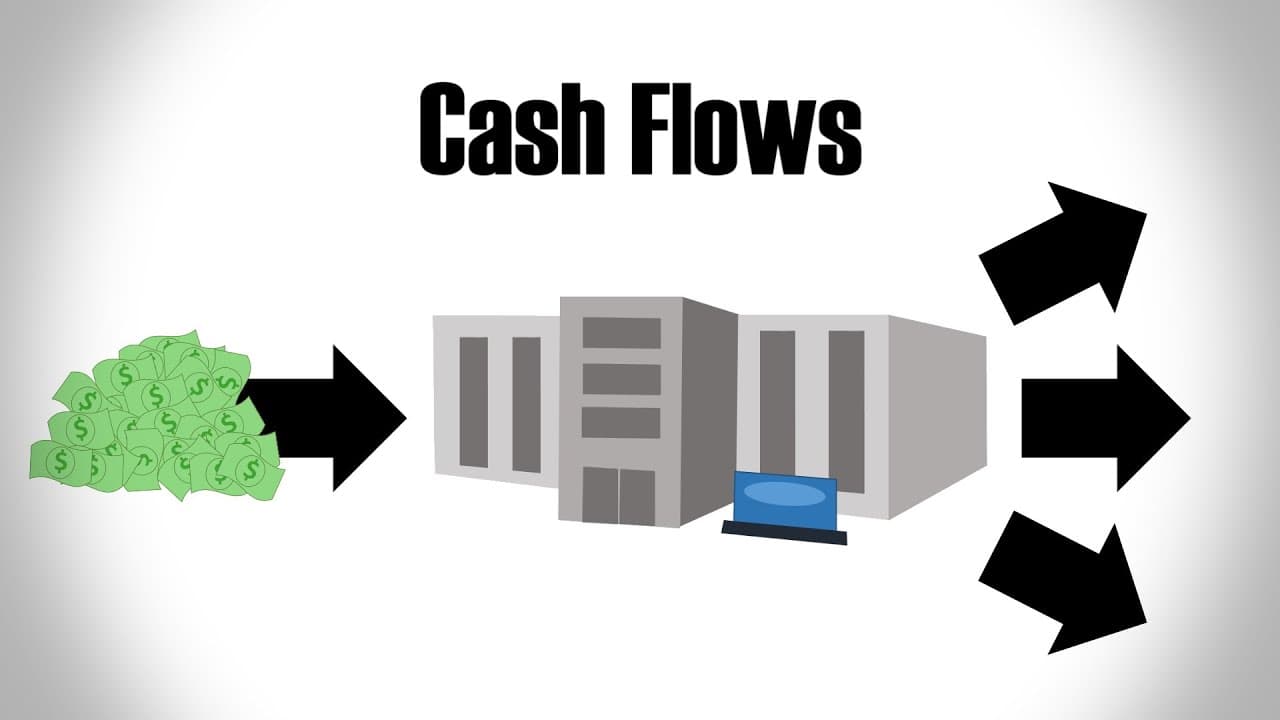
TL;DR
Cash flow statements show the cash a company actually receives and pays, offering a more straightforward view of performance than net income alone. They divide cash flows into operating, investing, and financing activities; together, these determine the net change in cash. Free cash flow subtracts capital expenditures from operating cash flow to show what remains after obligations. Read on to understand each category and what it reveals about a business.
Transcript
this video is sponsored by wall mine go to wall main comm saj plain bagel to create your free account in warren buffett's latest letter to shareholders he provided a pretty blunt criticism of accounting earnings numbers you see well his company berkshire hathaway had made twenty four point eight billion dollars in operating profit in 2018 the compa... Read More
Key Insights
- 🧑⚕️ Warren Buffett criticizes accounting earnings numbers as they may not accurately reflect a company's financial health.
- 🛀 Cash flow statements provide a more complete picture of a company's performance by showing actual cash paid or received.
- 💐 Cash flows are categorized into operating activities, investing activities, and financing activities.
- 💐 The operating cash flow (CFO) is a fundamental measure of a company's profitability and growth potential.
- 💐 Cash flows from investing activities (CFI) involve the purchase or sale of long-term assets and investments.
- 🤑 Cash flows from financing activities (CFF) include raising money through share or bond issuances, dividend payments, and debt repayments.
- 💱 Net change in cash reflects the overall change in a company's cash balance.
- 🥶 Free cash flow (FCF) indicates whether a company has surplus cash after covering its obligations and is an important measure of financial health.
Install to Summarize YouTube Videos and Get Transcripts
Explore YouTube Video Summarizer or Get YouTube Transcript Extractor
Questions & Answers
Q: What is a cash flow statement, and why is it important?
A cash flow statement records cash that a company has actually received or paid. It helps investors determine whether a business is generating cash through its operations or increasing cash through sources such as a bank loan.
Q: How do cash flows differ from net income?
Cash flows include transactions only when money enters or leaves the company’s bank account. Net income can include non-cash gains and losses or revenues and expenses recognized before cash changes hands, so it may not reflect the company’s actual cash movement.
Q: Why did Berkshire Hathaway report only $4 billion in earnings in 2018?
Berkshire Hathaway made $24.8 billion in operating profit in 2018 but reported earnings of $4 billion. The difference was primarily caused by a loss in unrealized capital gains as the market value of some investments declined.
Q: What are the three main types of cash flow?
The three classifications are cash from operating activities, cash from investing activities, and cash from financing activities. Netted together, they produce the company’s net change in cash for the year.
Q: What does cash from operating activities show?
Cash from operating activities, or CFO, measures cash generated by the company’s operations. It includes cash received from sales minus cash paid to suppliers and employees, interest paid on debt, and taxes paid to the government.
Q: What is included in cash from investing activities?
Cash from investing activities includes purchases and sales of longer-term assets such as property, plants, equipment, and securities. It can also include spending to maintain assets, acquire another company, or invest in business growth.
Q: What is included in cash from financing activities?
Cash from financing activities includes money raised through share issuances, bond issuances, loans, and other debt. It also reflects cash paid for share buybacks, dividends, and principal repayments on debt.
Q: What is free cash flow, and how is it calculated?
Free cash flow equals operating cash flow minus capital expenditures spent on longer-term assets such as vehicles or buildings. It shows the money remaining after the company covers its obligations, which can be used for dividends, share buybacks, debt repayment, or acquisitions.
Summary & Key Takeaways
-
Warren Buffett's company, Berkshire Hathaway, reported earnings of $4 billion in 2018 despite making operating profit of $24.8 billion due to the impact of unrealized capital gains.
-
Cash flow statements provide a clearer picture of a company's financial health by showing actual cash paid out or received.
-
Cash flows are categorized into operating activities, investing activities, and financing activities, which provide insights into a company's operations, investments, and financing decisions.
Read in Other Languages (beta)
Share This Summary 📚
Summarize YouTube Videos and Get Video Transcripts with 1-Click
Try YouTube Summary with ChatGPT & Claude or YouTube Transcript Generator
Explore More Summaries from The Plain Bagel 📚






Summarize YouTube Videos and Get Video Transcripts with 1-Click
Try YouTube Summary with ChatGPT & Claude or YouTube Transcript Generator