Could Autism Be Caused by Gut Microbes? | Dr. Emeran Mayer | Big Think
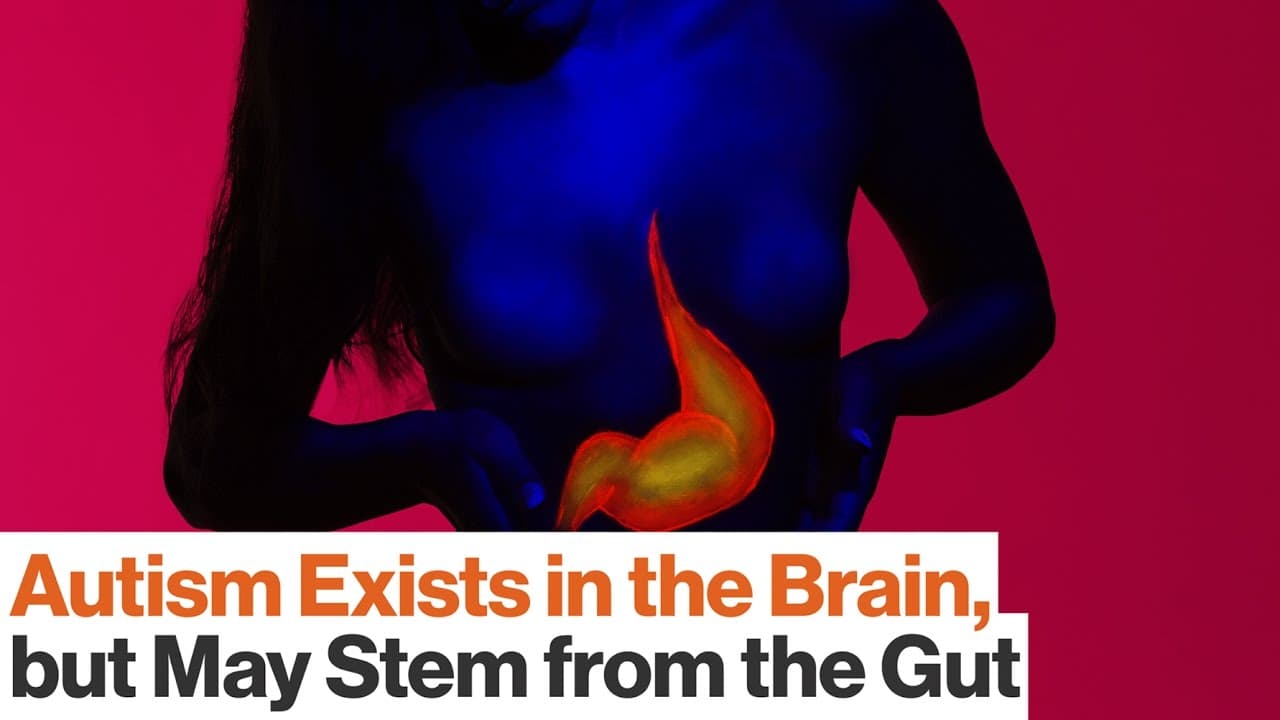
TL;DR
Autism prevalence increase linked to environment, diet, and gut microbes; potential probiotic treatment shows promise.
Transcript
Autism is both a devastating problem and it’s still a puzzle largely what causes or what has been causing the dramatic increase in the prevalence of this disease in the last 40 years or so. So it’s almost like an exponential increase. Part of that is really due to better diagnosis and the diagnostic criteria. But a lot of people think that somethin... Read More
Key Insights
- 🧑🏭 Autism prevalence increase could be linked to environmental factors and changes in diagnostic criteria.
- 🦧 The gut microbiome plays a significant role in autism, with connections to brain-gut issues and dietary preferences.
- 🛀 The probiotic B. fragilis shows promise in potentially reversing behavioral changes and gut abnormalities in autism.
- 🏆 Clinical trials are underway to test the hypothesis of using probiotics to influence microbial composition and improve cognitive and social interactions in autistic individuals.
- ❓ Early intervention with probiotic therapy may be crucial in addressing the developmental aspects of autism.
- ❓ The FDA approval process poses challenges for introducing beneficial probiotics for treating conditions like autism.
- 🥹 Probiotics hold potential as a promising avenue for therapies targeting the gut-brain connection in autism.
Install to Summarize YouTube Videos and Get Transcripts
Explore YouTube Video Summarizer or Get YouTube Transcript Extractor
Questions & Answers
Q: What are some factors believed to contribute to the increase in autism prevalence over the last 40 years?
The increase in autism prevalence is potentially linked to environmental factors, changes in diagnostic criteria, diet, and alterations in gut microbial composition.
Q: How does the gut microbiome play a role in autism?
Observations have shown a link between brain-gut issues in autism, with many autistic children experiencing digestive problems and unique dietary preferences that may impact their gut microbial composition.
Q: What potential treatment has shown promise in reversing behavioral changes and gut abnormalities in an animal model of autism?
The probiotic B. fragilis has demonstrated the ability to reverse behavioral changes and gut issues in animal models of autism, prompting interest in clinical trials for possible human use.
Q: Why is research into probiotics for autism treatment facing challenges?
The FDA approval process for probiotics is strict, slowing down progress in identifying beneficial microbes for treating conditions like autism, despite promising research findings.
Summary & Key Takeaways
-
Autism prevalence has increased dramatically in the last four decades, potentially due to environmental factors and changes in diagnostic criteria.
-
The connection between autism and the gut microbiome is significant, with observations linking brain-gut issues and unique diets in autistic children.
-
A probiotic called B. fragilis shows promise in reversing behavioral changes and gut abnormalities in animal models, triggering interest in clinical trials for potential human use.
Read in Other Languages (beta)
Share This Summary 📚
Summarize YouTube Videos and Get Video Transcripts with 1-Click
Try YouTube Summary with ChatGPT & Claude or YouTube Transcript Generator
Explore More Summaries from Big Think 📚




Summarize YouTube Videos and Get Video Transcripts with 1-Click
Try YouTube Summary with ChatGPT & Claude or YouTube Transcript Generator