Seven Wonders of the New World | Cosmos: Possible Worlds
TL;DR
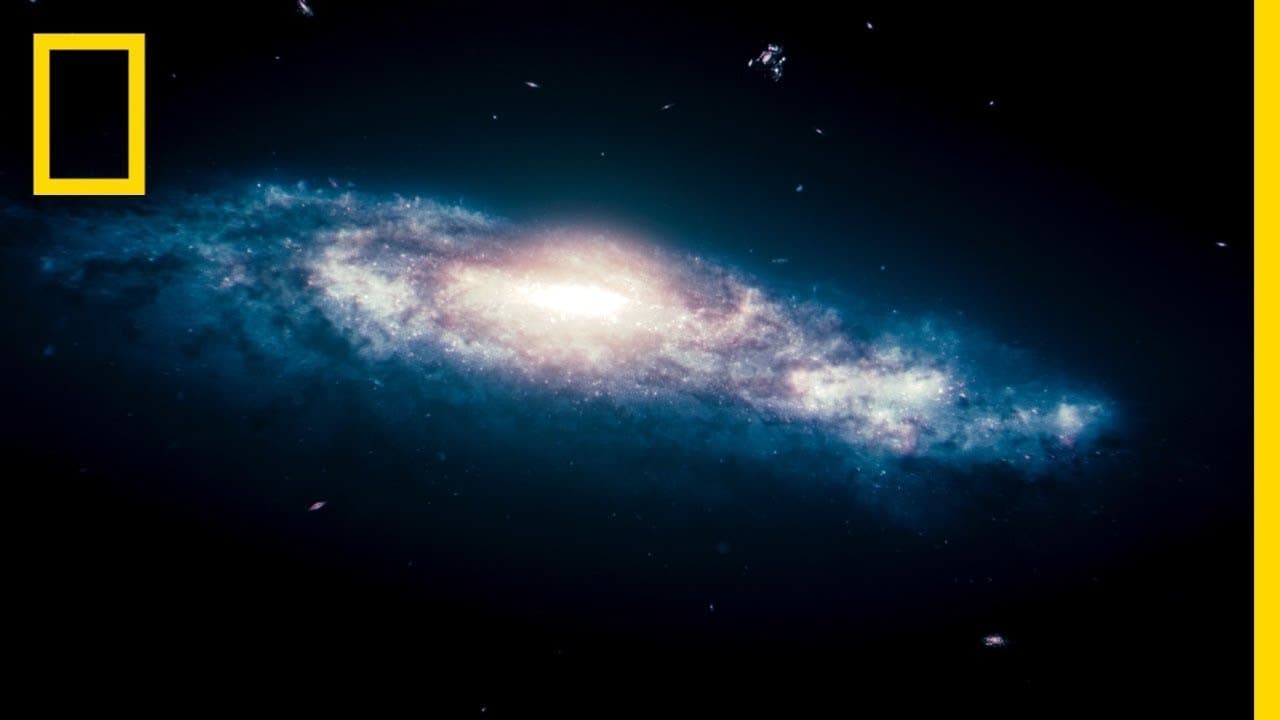
Despite the darkness of 1939, Carl Sagan found hope in science's potential to inspire and shape the future.
Transcript
NEIL DEGRASSE TYSON: We all feel the weight of the shadows on our future. But in another time, every bit as ominous as our own, there were those who could see a way through the darkness to find a star to steer by. Carl Sagan wrote, "I was a child in a time of hope. I wanted to be a scientist from my earliest school days. The crystallizing moment ca... Read More
Key Insights
- 🤩 Carl Sagan's childhood fascination with the stars led to his lifelong passion for science and understanding the universe.
- 🤯 The darkness of 1939 did not deter young minds like Carl Sagan from pursuing science, as they found hope and inspiration in the potential of technology.
- 📺 The 1939 World's Fair symbolized a vision of the future filled with technological advancements, inspiring generations to pursue careers in science and engineering.
- ✋ Television, showcased at the World's Fair, represented the power of technology to connect people across distances and time, offering a glimpse into a high-tech future.
Install to Summarize YouTube Videos and Get Transcripts
Explore YouTube Video Summarizer or Get YouTube Transcript Extractor
Questions & Answers
Q: How did the turmoil of 1939 impact Carl Sagan's view on science?
The darkness of 1939, marked by war and hatred, inspired Carl Sagan to find hope in science's ability to unravel mysteries and shape a better future. This tumultuous time fueled his passion for scientific exploration.
Q: How did the 1939 World's Fair influence aspiring scientists and engineers?
The World's Fair in 1939 showcased the potential of technology, especially television, inspiring young minds like Carl Sagan to pursue careers in science and engineering. This event offered a glimpse into a future filled with innovation and progress.
Q: What significance did the TV set demonstration have at the 1939 World's Fair?
The working model of a TV set at the 1939 World's Fair demonstrated the power of technology to transmit live signals across time and space, showcasing a world of high technology and inspiring imaginations about the future possibilities of science.
Q: How did Carl Sagan's childhood fascination with the stars shape his future as a scientist?
Carl Sagan's childhood fascination with the stars and the immense universe sparked his interest in science and solidified his dream of becoming a scientist. This early passion for the cosmos set the foundation for his lifelong dedication to scientific exploration.
Summary & Key Takeaways
-
Carl Sagan found solace in the vastness of the universe and the wonders of science, propelling him to pursue a career in the field.
-
Despite the turmoil of 1939, the World's Fair showcased the potential of technology and inspired young minds to pursue science and engineering.
-
Television, as showcased in the World's Fair, symbolized the possibility of a high-tech future and the power of science to shape it.
Read in Other Languages (beta)
Share This Summary 📚
Summarize YouTube Videos and Get Video Transcripts with 1-Click
Try YouTube Summary with ChatGPT & Claude or YouTube Transcript Generator
Explore More Summaries from National Geographic 📚


Summarize YouTube Videos and Get Video Transcripts with 1-Click
Try YouTube Summary with ChatGPT & Claude or YouTube Transcript Generator