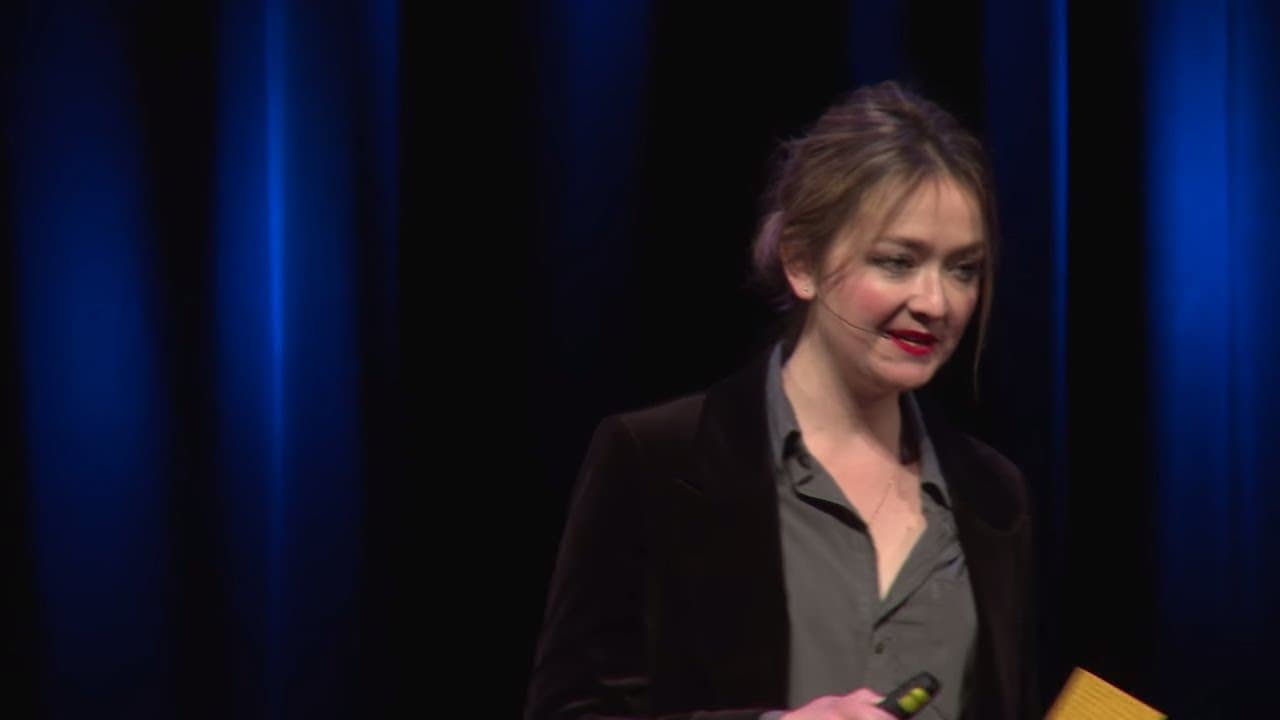
Critical Optimism | Sophia Brueckner | TEDxUofM
TL;DR
In a world where people tend to be either blindly optimistic or unconstructively pessimistic about technology, it is crucial to have a balanced approach that embraces critical optimism.
Transcript
I got my first computer when I was two years old this is a picture of me with my Commodore 64 and I've been inseparable from computers ever since my unconventional background has taken me through art and engineering and design but through all of that my relationship to technology has remained intense and informed why this background I feel an urgen... Read More
Key Insights
- 🙈 Blind optimism and unconstructive pessimism are two extremes that hinder a balanced approach to technology.
- 🎨 The speaker's personal journey from engineering to art and design led her to reflect on her relationship with technology and the need for a more thoughtful approach.
- 🤔 Science fiction serves as a tool for teaching ethical thinking and encourages students to think critically and imaginatively about the consequences of technology at scale.
- ☸️ A balanced approach, known as critical optimism, is essential to avoid unintended harm and shape technology's impact on society effectively.
- 🤗 Being open to critique, proposing alternatives, and embracing whimsical thinking are strategies to cultivate critical optimism.
- 👋 Technology will never be purely good or purely bad, and it is crucial to navigate its impact with a healthy dose of criticality and optimism.
- 🫠 Reading science fiction expands our imagination and helps us anticipate and avoid potential negative consequences.
Install to Summarize YouTube Videos and Get Transcripts
Explore YouTube Video Summarizer or Get YouTube Transcript Extractor
Questions & Answers
Q: Why is it important to have a balanced approach to technology?
A balanced approach allows us to appreciate the potential benefits of technology while also being critical and predicting potential negative consequences. It helps us avoid blind faith in technology and more effectively shape its impact on society.
Q: How does the speaker use science fiction to teach ethical thinking?
Science fiction allows students to imagine future scenarios where technology has scaled up and evaluate the ethical repercussions. By reading science fiction, they develop a shared vocabulary and a more imaginative mindset to discuss and design technology ethically.
Q: What are the dangers of blindly optimistic or unconstructively pessimistic attitudes towards technology?
Blind optimism can lead to the oversight of potential negative consequences and unintended harm caused by technology. On the other hand, unconstructive pessimism can paralyze progress or prevent alternative solutions from being considered.
Q: How does the speaker suggest cultivating critical optimism?
She suggests learning to think extrapolatively about the impact of technology at scale. Builders of technology should invite critique and be open to critical feedback, while those on the critical side should actively participate in proposing alternatives. Additionally, embracing whimsical thinking can cultivate a sense of possibility and positivity in relation to technology.
Key Insights:
- Blind optimism and unconstructive pessimism are two extremes that hinder a balanced approach to technology.
- The speaker's personal journey from engineering to art and design led her to reflect on her relationship with technology and the need for a more thoughtful approach.
- Science fiction serves as a tool for teaching ethical thinking and encourages students to think critically and imaginatively about the consequences of technology at scale.
- A balanced approach, known as critical optimism, is essential to avoid unintended harm and shape technology's impact on society effectively.
- Being open to critique, proposing alternatives, and embracing whimsical thinking are strategies to cultivate critical optimism.
- Technology will never be purely good or purely bad, and it is crucial to navigate its impact with a healthy dose of criticality and optimism.
- Reading science fiction expands our imagination and helps us anticipate and avoid potential negative consequences.
- A balanced approach to technology requires banishing fear, avoiding black-and-white thinking, and embracing critical optimism as a mindset.
Summary & Key Takeaways
-
The speaker emphasizes the need for a balanced approach to technology, avoiding blind optimism or unconstructive pessimism.
-
She shares her personal journey from being an engineer at Google to studying art and design, which led her to reflect on her relationship with technology.
-
The speaker advocates using science fiction as a tool to teach ethical thinking and encourages critical optimism in designing technology.
Read in Other Languages (beta)
Share This Summary 📚
Summarize YouTube Videos and Get Video Transcripts with 1-Click
Try YouTube Summary with ChatGPT & Claude or YouTube Transcript Generator
Explore More Summaries from TEDx Talks 📚
Summarize YouTube Videos and Get Video Transcripts with 1-Click
Try YouTube Summary with ChatGPT & Claude or YouTube Transcript Generator