How to Control and Master Your Emotions
TL;DR
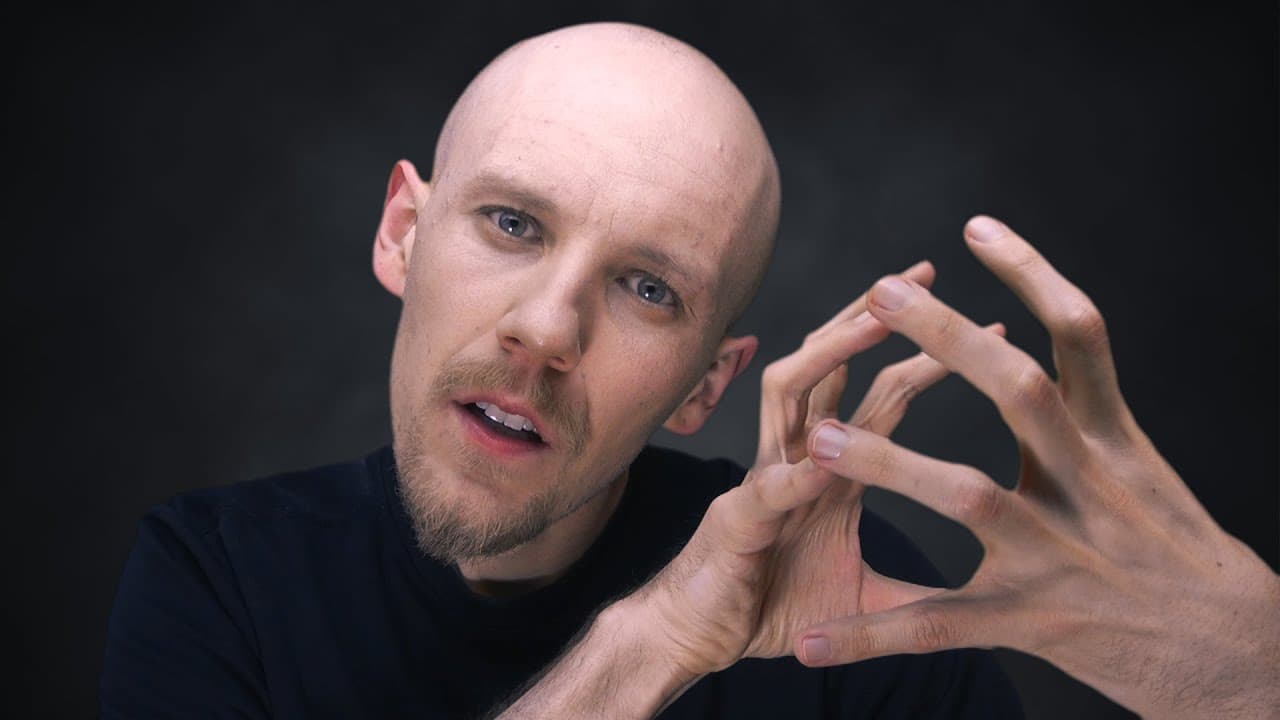
You create your emotions through your thoughts, not external circumstances. By understanding and controlling your thoughts, you can achieve emotional mastery and improve your life. This involves recognizing that your interpretation of events is what generates emotions, and by altering this interpretation, you can change how you feel.
Transcript
Hey, this is Leo for Actualized.org and in this video what I want to talk about is how you create every single one of your emotions. "There is nothing good or bad, but thinking makes it so." Have you heard that quote before? That's a quote from William Shakespeare, his play, 'Hamlet'. Hamlet says this famous line. Now what does this have to do with... Read More
Key Insights
- Emotions are created by your thoughts, not by external events.
- Your interpretation of events determines your emotional response.
- Changing your thought patterns can lead to different emotions.
- Emotional mastery requires conscious effort and practice.
- Most people unconsciously let circumstances dictate their emotions.
- Developing consciousness and self-awareness is crucial for emotional control.
- Taking responsibility for your emotions can lead to a more fulfilling life.
- Practicing awareness of your thoughts during negative emotions can help change them.
Install to Summarize YouTube Videos and Get Transcripts
Explore YouTube Video Summarizer or Get YouTube Transcript Extractor
Questions & Answers
Q: How do you create your emotions?
Your emotions are created by your thoughts and interpretations of events, not by the external events themselves. By understanding this, you can take control of your emotions by altering how you perceive and interpret the circumstances around you. This shift in perception can lead to different emotional responses.
Q: What is the key to emotional mastery?
The key to emotional mastery is to become aware of the thoughts that generate your emotions and to consciously change these thoughts to alter your emotional responses. This involves recognizing that your interpretations of events, rather than the events themselves, dictate your feelings.
Q: Why do most people struggle with emotional control?
Most people struggle with emotional control because they believe their emotions are directly caused by external events, not realizing that their thoughts and interpretations play a crucial role. This lack of awareness and consciousness leads them to react automatically, without understanding the power they have to change their emotional responses.
Q: How can altering interpretations change emotions?
Altering interpretations can change emotions by shifting the meaning you assign to events. For example, viewing a negative event as an opportunity for growth rather than a setback can lead to feelings of excitement and optimism instead of anger or depression. This change in perspective can transform your emotional experiences.
Q: What role does consciousness play in emotional mastery?
Consciousness plays a critical role in emotional mastery as it enables you to become aware of your thought patterns and the interpretations that lead to your emotions. By increasing your consciousness, you can identify and change these patterns, leading to greater control over your emotional responses and a more fulfilling life.
Q: How can you practice emotional awareness?
You can practice emotional awareness by paying close attention to your thoughts when you experience negative emotions. This involves identifying the specific thoughts and interpretations that are causing these emotions and experimenting with altering them to see how your emotional responses change. Over time, this practice can lead to greater emotional control.
Q: Why is it challenging to adopt a new emotional paradigm?
Adopting a new emotional paradigm is challenging because it requires breaking long-standing habits and beliefs about emotions being dictated by external events. It involves developing consciousness and self-awareness, which can be difficult if you've lived for years without questioning these automatic responses. Overcoming the ego's resistance to change also plays a part.
Q: What exercise can help with emotional mastery?
An exercise to help with emotional mastery is to spend seven days consciously taking responsibility for your emotions. During this time, focus on identifying the thoughts that lead to negative emotions and experiment with changing these thoughts. This practice can help you become more aware of the connection between your thoughts and emotions, leading to greater emotional control.
Summary & Key Takeaways
-
Emotions are not dictated by external circumstances but are created by your thoughts and interpretations of events. By recognizing the thought patterns that lead to negative emotions, you can change these patterns and achieve emotional mastery. This requires conscious effort and practice, but it can lead to a more fulfilling and successful life.
-
Most people believe that their emotions are a direct result of what happens to them, but in reality, it's their interpretation of these events that creates their feelings. By altering these interpretations, you can change your emotional responses and improve your life outcomes.
-
The key to emotional mastery is understanding that you have control over your interpretations and, therefore, your emotions. Practicing awareness of your thoughts, especially during negative emotional experiences, can help you change these thoughts and achieve a more positive emotional state.
Read in Other Languages (beta)
Share This Summary 📚
Summarize YouTube Videos and Get Video Transcripts with 1-Click
Try YouTube Summary with ChatGPT & Claude or YouTube Transcript Generator
Explore More Summaries from Actualized.org 📚




Summarize YouTube Videos and Get Video Transcripts with 1-Click
Try YouTube Summary with ChatGPT & Claude or YouTube Transcript Generator