How to Use Psychological Triggers in Marketing
TL;DR
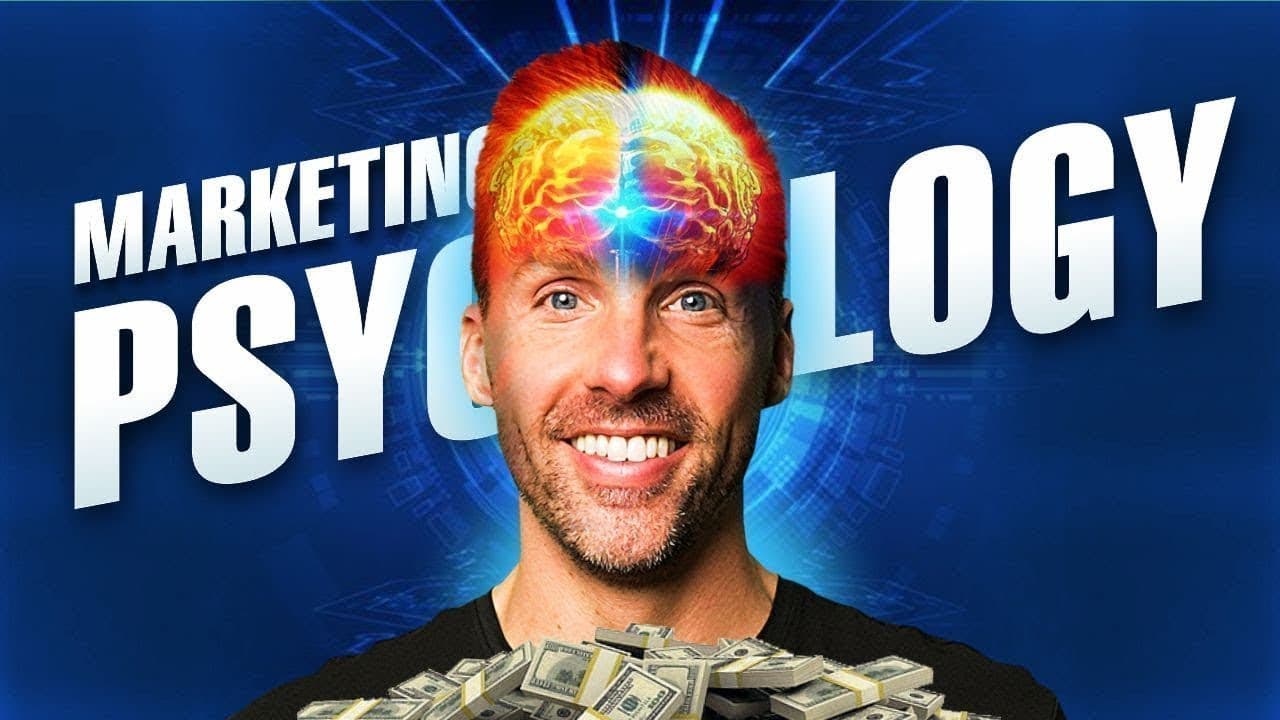
Understanding and leveraging psychological triggers can significantly enhance marketing strategies. Key triggers include the halo effect, serial position effect, and loss aversion, among others. These cognitive biases influence consumer behavior, making it crucial for marketers to apply them ethically to guide potential customers effectively and build trust and loyalty.
Transcript
- In this episode, I'm gonna unpack 15 different psychological triggers and cognitive biases that we, as marketers, use on a pretty much daily basis to help influence and persuade and guide people in the direction that we want, which is typically to buy stuff. Now, if you have a business and want to get more customers, more clients, and more sales,... Read More
Key Insights
- The halo effect emphasizes the importance of first impressions, influencing future interactions with a brand.
- The serial position effect states that people remember the first and last pieces of information more than the middle.
- The recency effect highlights the importance of recent information, as it holds more weight in decision-making.
- The mere exposure effect suggests that increased familiarity with a brand leads to greater likability and trust.
- Loss aversion leverages the fear of missing out to encourage immediate action from potential customers.
- The compromise effect involves offering three pricing options to guide customers to choose the middle one.
- Anchoring sets expectations by presenting a high initial price, making subsequent prices seem more attractive.
- Choice overload can overwhelm consumers, reducing decision-making efficiency and satisfaction.
Install to Summarize YouTube Videos and Get Transcripts
Explore YouTube Video Summarizer or Get YouTube Transcript Extractor
Questions & Answers
Q: How does the halo effect impact marketing?
The halo effect impacts marketing by making first impressions crucial. This cognitive bias means that the initial interaction a customer has with a brand heavily influences their future perceptions and interactions. A positive first impression can lead to increased brand loyalty and buffer against any future negative experiences.
Q: What is the serial position effect in marketing?
The serial position effect in marketing suggests that consumers remember the first and last pieces of information more than the middle. This means marketers should prioritize key messages at the beginning and end of their communications to ensure these points are most memorable and influential in decision-making.
Q: Why is the recency effect important in marketing?
The recency effect is important in marketing because it highlights the significance of recent information in influencing consumer decisions. Marketers can leverage this by frequently updating content and maintaining regular contact with consumers, ensuring that their brand is top-of-mind when purchase decisions are made.
Q: How does loss aversion influence buying behavior?
Loss aversion influences buying behavior by tapping into the fear of missing out (FOMO). Consumers are more likely to make a purchase when they perceive a risk of losing an opportunity, such as a limited-time offer or a product scarcity. This urgency encourages quicker decision-making and can drive sales.
Q: What is the compromise effect in pricing strategy?
The compromise effect in pricing strategy involves offering three pricing options to guide consumers towards the middle one. By positioning the desired product as the moderate choice, marketers can make it appear more appealing compared to the higher and lower-priced options, thus increasing its attractiveness and sales.
Q: How does anchoring affect consumer perception of price?
Anchoring affects consumer perception of price by establishing a high initial price point, which serves as a reference for evaluating subsequent prices. This makes lower prices seem more reasonable and attractive, influencing consumers to perceive them as better deals and potentially increasing the likelihood of purchase.
Q: What is choice overload and how does it affect consumers?
Choice overload occurs when consumers are presented with too many options, leading to decision-making paralysis and reduced satisfaction. This overwhelming array of choices can result in consumers either making no decision at all or feeling less satisfied with their choice, highlighting the need for marketers to simplify options.
Q: How can marketers use the mere exposure effect?
Marketers can use the mere exposure effect by increasing the frequency of their brand's appearance in front of potential customers. Regular exposure builds familiarity, which in turn enhances likability and trust. This can be achieved through consistent advertising, social media presence, and engaging content to strengthen consumer relationships.
Summary & Key Takeaways
-
Psychological triggers like the halo effect and serial position effect are crucial for effective marketing. First impressions and the order of presented information heavily influence consumer perception and decision-making. Marketers should focus on creating memorable first and last interactions to enhance brand loyalty.
-
Loss aversion and the mere exposure effect are powerful tools in marketing. By creating a sense of urgency and frequently appearing in front of potential customers, businesses can increase trust and encourage quicker purchasing decisions. Ethical application of these principles is essential for sustainable success.
-
The compromise effect and anchoring are strategies to guide consumer choice. By offering multiple pricing options and setting high initial prices, marketers can influence perceived value and encourage desired purchasing behavior. Simplifying choices can also prevent decision fatigue and improve customer satisfaction.
Read in Other Languages (beta)
Share This Summary 📚
Summarize YouTube Videos and Get Video Transcripts with 1-Click
Try YouTube Summary with ChatGPT & Claude or YouTube Transcript Generator
Explore More Summaries from Adam Erhart 📚


Summarize YouTube Videos and Get Video Transcripts with 1-Click
Try YouTube Summary with ChatGPT & Claude or YouTube Transcript Generator