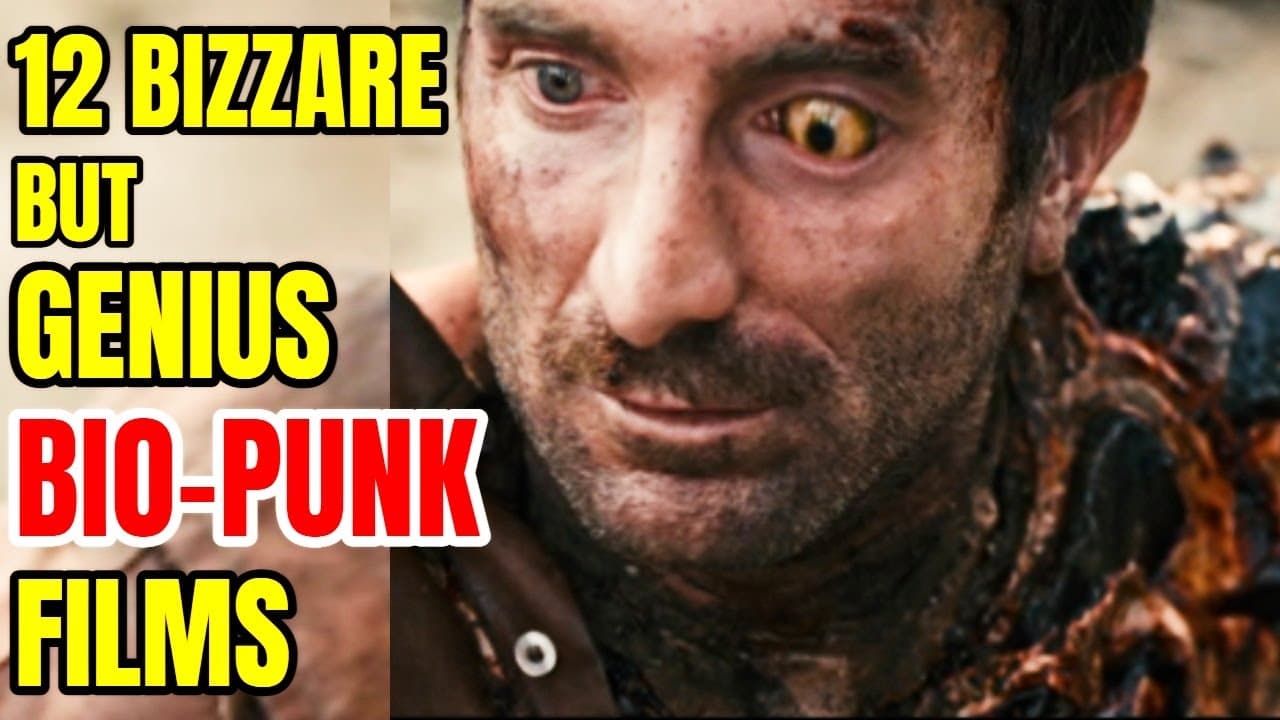
12 Eccentric But Genius Movies With BIOPUNK Elements
TL;DR
The content explores 12 impactful biopunk films highlighting biotechnology's societal implications.
Transcript
[Applause] top 12 insanely awesome bio punk movies of all time we've all watched films about oppressive governments trying to manipulate dna or huge multinational organizations dealing in synthetic body parts or biohackers and terrorists trying to take over the world well these are the kinds of subjects that gave rise to biopunk a sub-genre of scie... Read More
Key Insights
- 🧑🤝🧑 Biopunk dates back to classic literature, establishing a long history of societal critiques about biotechnology.
- ❓ The genre examines the consequences of genetic engineering, exploring themes of identity, discrimination, and autonomy.
- 🎥 Films like "Gattaca" and "District 9" illustrate the societal repercussions of biotechnological advancements and moral dilemmas they pose.
- 😱 "The Fly" uniquely intertwines body horror with psychological themes, prompting questions about identity and sanity.
- 🌍 "Blade Runner" still resonates due to its profound exploration of what it means to be human in a synthetic world.
- 😒 The use of humor and satire in films like "Body Melt" reflects the absurdity of unchecked scientific experimentation.
- 🤨 "Repo Men" critiques the commodification of healthcare, raising pertinent questions about the ethics behind organ ownership.
Install to Summarize YouTube Videos and Get Transcripts
Explore YouTube Video Summarizer or Get YouTube Transcript Extractor
Questions & Answers
Q: What defines the biopunk genre in films?
Biopunk is characterized by its focus on biotechnology and its ramifications on society, particularly oppression and control through biological advancements. Films often explore themes such as genetic modification, societal inequalities, and the moral dilemmas posed by scientific advancements, contrasting the utopian views of technology versus its potential for misuse.
Q: How does "Gattaca" exemplify biopunk themes?
"Gattaca" portrays a future dominated by genetic engineering, where individuals are discriminated against based on their DNA. The film's protagonist, Vincent, is an example of someone born without genetic enhancements, highlighting societal prejudices and the pursuit of identity and dreams in a genetically-determined world, thus exploring the dark side of biotechnological progress.
Q: What social commentary is presented in "District 9"?
"District 9" reflects on xenophobia and racism through the lens of an alien refugee experience in South Africa. By depicting a segregated societal structure and the alien population's plight, it critiques contemporary social issues while using biopunk elements to illustrate the consequences of dehumanization and exploitation in both governmental and corporate contexts.
Q: In what ways does "The Fly" portray transformation as a theme?
"The Fly" explores the dual transformation of its main character, Seth Brundle, both physically as he morphs into a fly and psychologically as he loses his humanity. This body horror allegory serves as a commentary on the loss of control over one's identity and the unintended consequences of scientific experimentation, compelling viewers to ponder the boundaries between human and insect.
Q: Why is "Blade Runner" considered significant in the biopunk genre?
While "Blade Runner" is often categorized as cyberpunk, its deep engagement with biotechnological advancements, particularly in creating replicants, aligns it with biopunk themes. The film raises ethical questions about the nature of humanity, memory, and emotion in artificially created beings, illustrating the complexities of identity in a technologically advanced society.
Q: What alarming implications of biotechnology are depicted in "Repo Men"?
"Repo Men" presents a dystopian future where financial debts can lead to the repossession of artificial organs. This grim scenario highlights current social critiques regarding healthcare systems, emphasizing how biotechnology can become an instrument of exploitation and profit over human lives, complicating the relationship between technology and personal rights.
Q: How does "The Fifth Element" blend biopunk with fantasy elements?
"The Fifth Element" combines biopunk aesthetics with a fantastical narrative filled with imaginative elements like alien civilizations and reinvented mythologies. The film's exploration of the titular fifth element represents life and the potential for empowerment through technology, reflecting an optimistic twist on the biopunk theme of combatting evil through biological advancements.
Q: What are some recurring themes across the discussed films?
Recurring themes across the biopunk films include the ethical implications of genetic manipulation, the societal consequences of biotechnology, the struggle for identity in a controlled environment, and the critique of government or corporate control over individuals. These films challenge the audience to reflect on how science fiction mirrors real-world issues surrounding technology and ethics.
Summary & Key Takeaways
-
The content examines biopunk as a sub-genre of science fiction, focusing on the societal implications of biotechnology dating back to classic literature like "Frankenstein."
-
Twelve films are discussed, showcasing biopunk themes, including the oppression, control, and manipulation of society through genetics and bioengineering.
-
Each movie highlights how advancements in biotechnology can lead to significant ethical dilemmas and social inequalities, raising questions about identity, autonomy, and humanity.
Read in Other Languages (beta)
Share This Summary 📚
Summarize YouTube Videos and Get Video Transcripts with 1-Click
Try YouTube Summary with ChatGPT & Claude or YouTube Transcript Generator
Explore More Summaries from Marvelous Videos 📚






Summarize YouTube Videos and Get Video Transcripts with 1-Click
Try YouTube Summary with ChatGPT & Claude or YouTube Transcript Generator