Gabon: The Last Eden | National Geographic
TL;DR
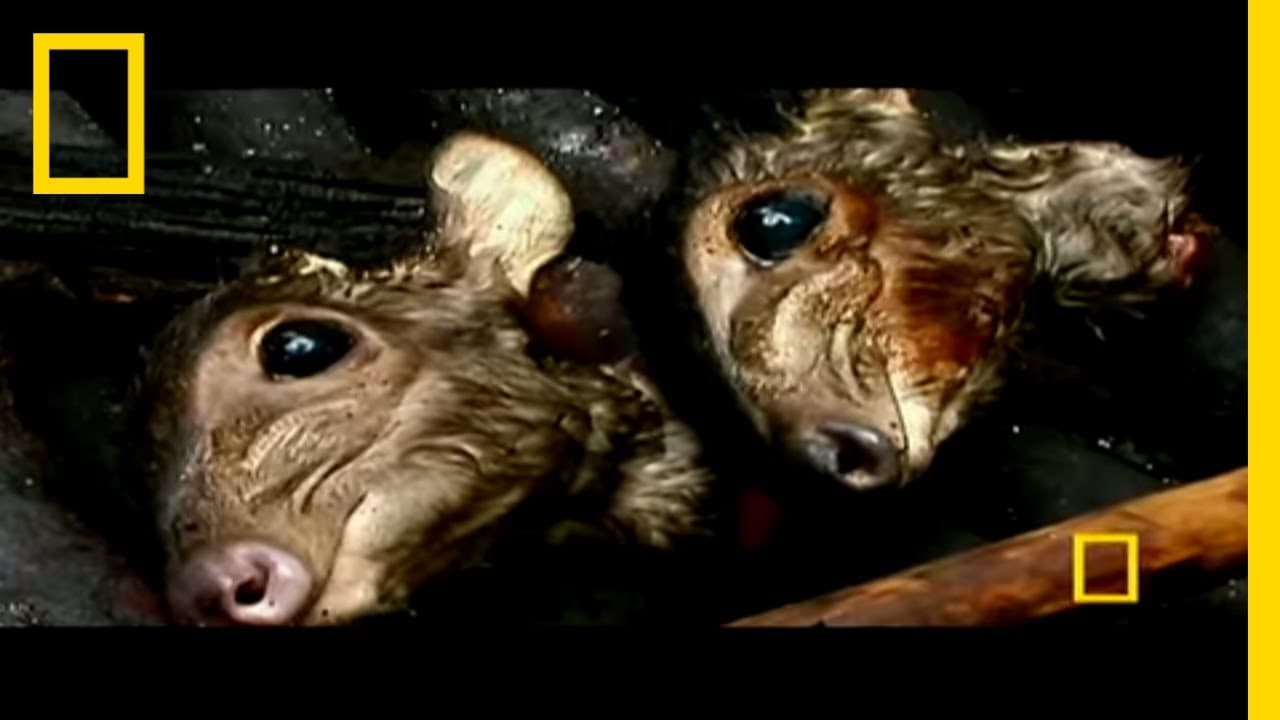
Indigenous peoples and conservationists use elephant trails to protect wildlife from poachers in Central Africa.
Transcript
poachers supplying the lucrative ivory trade use these same trails to track down their quarry and when they do the outcome can be horrific but not every human use of the elephant trails is destructive indigenous peoples have traveled these ball ways for at least 9,000 years and in 1999 wildlife conservation society researcher Mike Fay embarked on a... Read More
Key Insights
- 👯 Indigenous peoples and conservationists collaborate to protect wildlife using elephant trails.
- 🏞️ Mike Fay's mega transect journey led to the creation of 13 national parks in Gabon.
- 🐘 Poachers hunt elephants for ivory, posing a significant threat to elephant populations in Central Africa.
- 😂 Despite conservation efforts, poaching remains a serious problem, especially in war-torn nations like Chad.
- 🏞️ The creation of national parks in Gabon was a significant step in wildlife conservation.
- 🇨🇫 Park management teams like operation Luang go work to combat pervasive animal poaching in Central Africa.
- 😀 Conservationists face challenges in protecting elephants, including the high demand for ivory on the Asian market.
Install to Summarize YouTube Videos and Get Transcripts
Explore YouTube Video Summarizer or Get YouTube Transcript Extractor
Questions & Answers
Q: How are indigenous peoples and conservationists using elephant trails in Central Africa?
Indigenous peoples have used these trails for thousands of years, while conservationists like Mike Fay have trekked along them to highlight threats to wildlife and push for the creation of national parks.
Q: Why are elephants hunted for their ivory in Central Africa?
Elephants are hunted for their ivory because the tusks of a single large bull can fetch thousands of dollars on the Asian market, leading to widespread poaching despite conservation efforts.
Q: What challenges do conservationists face in protecting elephants in Central Africa?
Conservationists face challenges such as pervasive animal poaching, especially in war-torn nations like Chad, where national parks alone cannot fully address the issue.
Q: How did the creation of 13 national parks in Gabon help in the conservation efforts?
The creation of national parks in Gabon was a promising start in conservation efforts, but challenges remain, such as the need to combat poaching and protect elephant populations.
Summary & Key Takeaways
-
Elephant trails in Central Africa have been used by indigenous peoples for thousands of years and are now crucial for wildlife conservation efforts.
-
Mike Fay embarked on a 2,000-mile trek along these trails to highlight threats to wildlife, leading to the creation of 13 national parks in Gabon.
-
Despite efforts, poaching remains a serious problem in Central Africa, with elephants hunted for their ivory.
Read in Other Languages (beta)
Share This Summary 📚
Summarize YouTube Videos and Get Video Transcripts with 1-Click
Try YouTube Summary with ChatGPT & Claude or YouTube Transcript Generator
Explore More Summaries from National Geographic 📚



Summarize YouTube Videos and Get Video Transcripts with 1-Click
Try YouTube Summary with ChatGPT & Claude or YouTube Transcript Generator