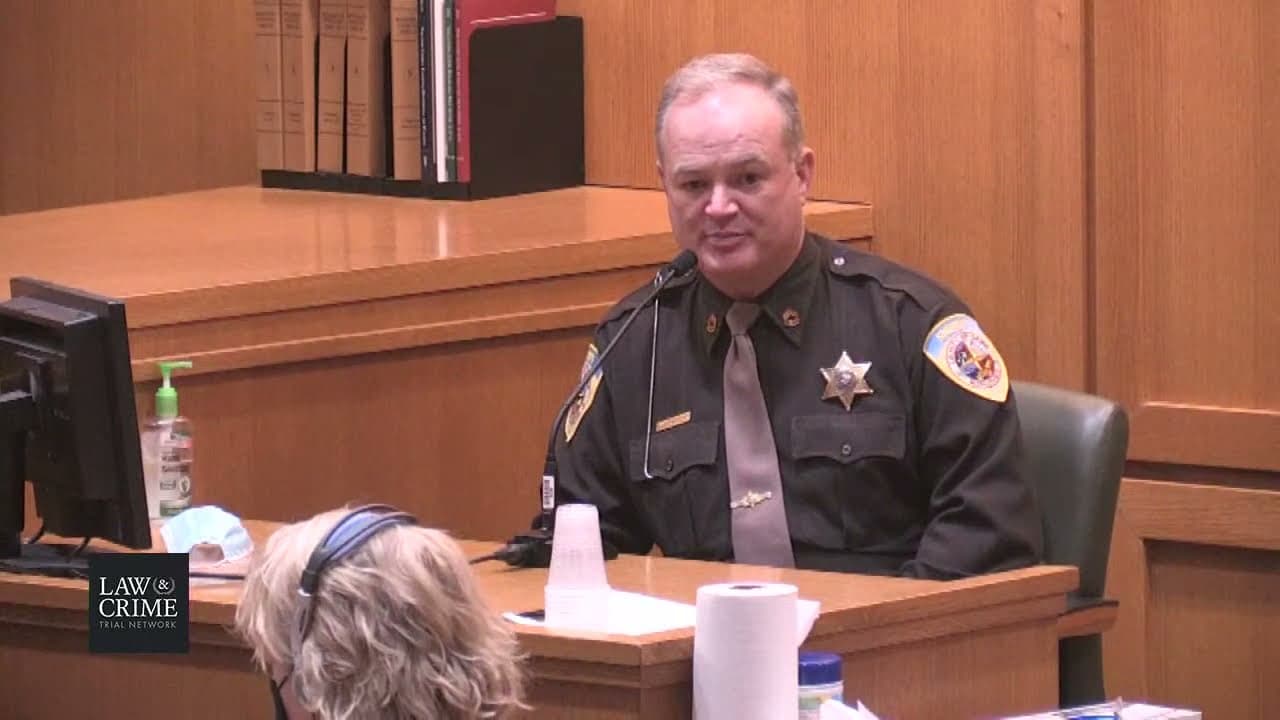
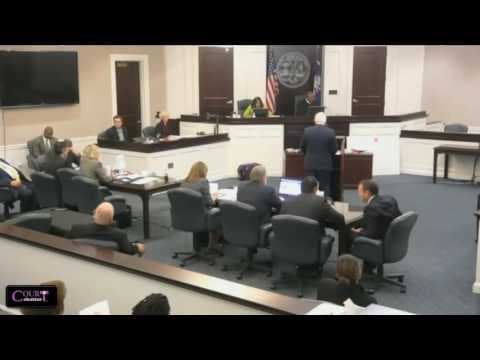
WI v. Chandler Halderson Trial Day 5 - Dep. Greg Leatherberry-Dane County Sheriff's Ofc. Part 2
TL;DR
Deputy sheriff describes crime scene investigation process, evidence collection, and collaboration with other units.
Transcript
thank you please be seated tony raymond thank you the state calls deputy greg leatherbury to the stand do you suddenly swear for the testimonials good morning sir if you feel you can do so safely and responsibly testifying without the mask would be the preference if you can thank you so much go right ahead good morning could you please state your n... Read More
Key Insights
- 🎑 Deputy Leatherbury's extensive training and experience enhance his role in the crime scene investigation unit.
- 🏬 Collaboration with other departments like the Wisconsin State Crime Lab provides specialized expertise for analyzing evidence.
- 🎑 Detailed documentation, evidence collection, and an organized approach are crucial in processing crime scenes for later analysis.
- 🏆 Utilization of screening tests like phenolphthalein and hexagon obti tests aids in confirming the presence of blood and differentiating between human and non-human blood.
- 🎑 Moving items for photography purposes is a common practice in crime scene investigation to document evidence accurately.
- ✊ Deputy Leatherbury's attention to detail, including power cords being unplugged from devices like Google Nests, showcases his thorough examination of the crime scene.
- 🎑 The importance of keeping crime scene evidence uncontaminated and accurately documenting findings is vital for a successful investigation.
Install to Summarize YouTube Videos and Get Transcripts
Explore YouTube Video Summarizer or Get YouTube Transcript Extractor
Questions & Answers
Q: What training has Deputy Greg Leatherbury received for his role in the crime scene unit?
Deputy Leatherbury has received extensive training, including attending various schools like the Wisconsin State Death Investigation School and Northwestern University for Death Investigation, as well as specialized courses for fingerprints and bloodstain pattern analysis.
Q: How does Deputy Leatherbury differentiate between basic fingerprints and major case prints?
Major case prints include additional areas of the finger that contain friction ridge not collected during the booking process, like the sides of each finger, providing more detailed fingerprint evidence for analysis.
Q: How does the collaboration with other departments like the Wisconsin State Crime Lab enhance the investigation process?
Working with subject matter experts from different departments allows for further analysis of evidence collected at the crime scene, providing specialized insights and aiding in the investigation's progress.
Q: Why does Deputy Leatherbury utilize screening tools like phenolphthalein and hexagon obti tests for blood stains?
The tests help differentiate between human and non-human blood, optimizing the submission of evidence to the crime lab based on the probative value of each item, ensuring efficient investigation procedures.
Summary & Key Takeaways
-
Deputy sheriff Greg Leatherbury testifies about his role in the crime scene unit of the Dane County Sheriff's Office.
-
He details his extensive training and experience in processing crime scenes and collecting evidence.
-
Leatherbury explains the importance of collaboration with other departments and the meticulous approach to investigating a crime scene.
Read in Other Languages (beta)
Share This Summary 📚
Summarize YouTube Videos and Get Video Transcripts with 1-Click
Try YouTube Summary with ChatGPT & Claude or YouTube Transcript Generator
Explore More Summaries from Law&Crime Network 📚


Summarize YouTube Videos and Get Video Transcripts with 1-Click
Try YouTube Summary with ChatGPT & Claude or YouTube Transcript Generator