Sugar & Fat Don't Make You Fat, THIS Makes You Fat
TL;DR
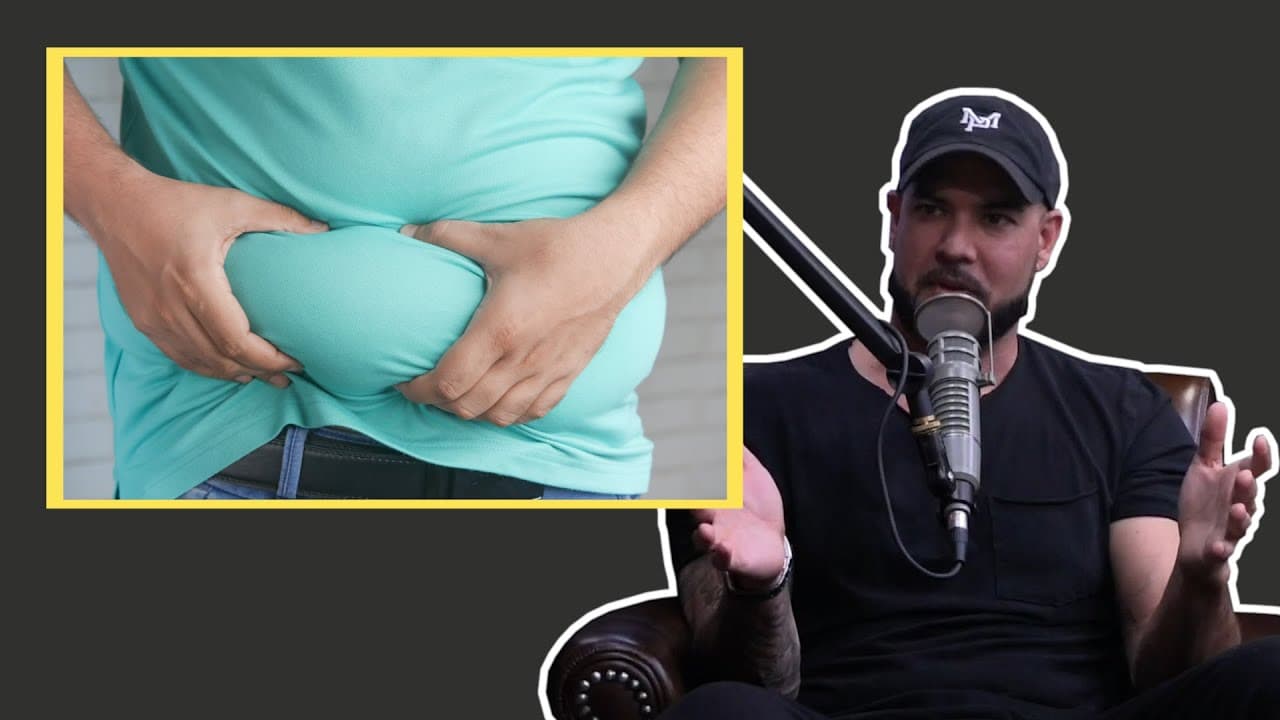
Overconsumption, not sugar or fat, is the main cause of obesity.
Transcript
all right here's some interesting facts around uh nutrition many of the negative effects that have been associated with sugar and even fat are really attributed to uh when you overeat them in other words when you look at a diet that is low in calories even if it's high in sugar high in certain types of fats many of the negative effects are actually... Read More
Key Insights
- Overconsumption of calories, rather than sugar or fat, is the primary cause of obesity and related health issues.
- Sugar, fat, and salt make foods hyper-palatable, leading to overeating, especially with processed foods.
- Studies show that low-calorie diets, even high in sugar or fat, improve health markers, highlighting the role of calorie intake.
- The demonization of sugar and fat oversimplifies the complex relationship between diet, health, and behavior.
- Processed foods are engineered to be hyper-palatable, causing an average increase of 600 calories in daily intake.
- Behavioral patterns and emotional connections to food significantly influence overeating and weight gain.
- Artificial sweeteners have not reduced obesity rates, as they do not address the root cause of overeating.
- Creating barriers between impulses and consumption can help manage overeating and improve dietary habits.
Install to Summarize YouTube Videos and Get Transcripts
Explore YouTube Video Summarizer or Get YouTube Transcript Extractor
Questions & Answers
Q: Why are sugar, fat, and salt often blamed for obesity?
Sugar, fat, and salt are often blamed for obesity because they make foods hyper-palatable, leading to overeating. These macronutrients are commonly found in processed foods designed to be highly enjoyable, which encourages people to consume more than necessary. However, the core issue is the overconsumption of calories rather than the macronutrients themselves.
Q: How do low-calorie diets affect health markers?
Low-calorie diets, even those high in sugar or fat, have been shown to improve health markers. This is because reducing overall calorie intake can lead to weight loss and improve metabolic health, regardless of the macronutrient composition. Studies have demonstrated that calorie restriction, rather than the specific type of macronutrient, plays a more critical role in enhancing health outcomes.
Q: What role do processed foods play in overeating?
Processed foods are engineered to be hyper-palatable, which significantly contributes to overeating. These foods often contain high levels of sugar, fat, and salt, making them highly enjoyable and easy to consume in large quantities. Studies have shown that access to processed foods can lead to an average increase of 600 calories in daily intake, promoting weight gain and associated health issues.
Q: Why haven't artificial sweeteners reduced obesity rates?
Artificial sweeteners have not reduced obesity rates because they do not address the root cause of overeating. While they provide sweetness without calories, they do not satisfy the body's need for nutrients, leading to compensatory eating behaviors. People may consume more food overall to make up for the lack of calories, negating the potential benefits of artificial sweeteners in weight management.
Q: How can creating barriers help manage overeating?
Creating barriers between impulses and consumption can help manage overeating by allowing time for awareness and reflection. For example, if someone craves chocolate, requiring them to drive to the store to buy a single serving creates a pause, enabling them to reconsider their desire. This strategy can reduce impulsive eating and promote healthier decision-making regarding food consumption.
Q: What is the impact of behavioral patterns on eating habits?
Behavioral patterns and emotional connections to food significantly impact eating habits and can lead to overeating. Many people use food as a coping mechanism for stress, sadness, or social connection, which can result in consuming more than needed. Understanding and modifying these behaviors is crucial for managing weight and improving health, as they influence dietary choices and overall calorie intake.
Q: Why is it important to focus on behaviors rather than macronutrients?
Focusing on behaviors rather than macronutrients is important because behaviors dictate how food is consumed and the relationship individuals have with food. While macronutrients play a role in nutrition, it is the habits and decisions surrounding food consumption that ultimately affect health outcomes. Addressing behaviors can lead to more sustainable changes in diet and improved health, as they encompass emotional, psychological, and social factors.
Q: How can one develop a healthier relationship with food?
Developing a healthier relationship with food involves understanding the emotional and psychological connections to eating and making conscious choices about consumption. This can include creating barriers to impulsive eating, focusing on whole and minimally processed foods, and recognizing the body's signals of hunger and fullness. Additionally, fostering a mindset that values food for its nutritional benefits rather than just taste can promote healthier eating habits and overall well-being.
Summary & Key Takeaways
-
The discussion highlights that overeating, rather than sugar or fat, is the main contributor to obesity and related health issues. Hyper-palatable foods, rich in sugar, fat, and salt, encourage overconsumption, especially with processed foods. Studies indicate that low-calorie diets, even high in sugar or fat, can improve health markers.
-
The tendency to blame sugar and fat oversimplifies the complex interplay between diet, health, and behavior. Processed foods are designed to be hyper-palatable, leading to an average increase of 600 calories in daily intake. Behavioral patterns and emotional connections to food play a significant role in overeating.
-
Artificial sweeteners have not effectively reduced obesity rates, as they do not address the root cause of overeating. Creating barriers between impulses and consumption can help manage overeating. Understanding and modifying behaviors can have a more significant impact on health than focusing solely on macronutrients.
Read in Other Languages (beta)
Share This Summary 📚
Summarize YouTube Videos and Get Video Transcripts with 1-Click
Try YouTube Summary with ChatGPT & Claude or YouTube Transcript Generator
Explore More Summaries from Mind Pump Show 📚





Summarize YouTube Videos and Get Video Transcripts with 1-Click
Try YouTube Summary with ChatGPT & Claude or YouTube Transcript Generator