Why COVID-19 Breaks Our Brains
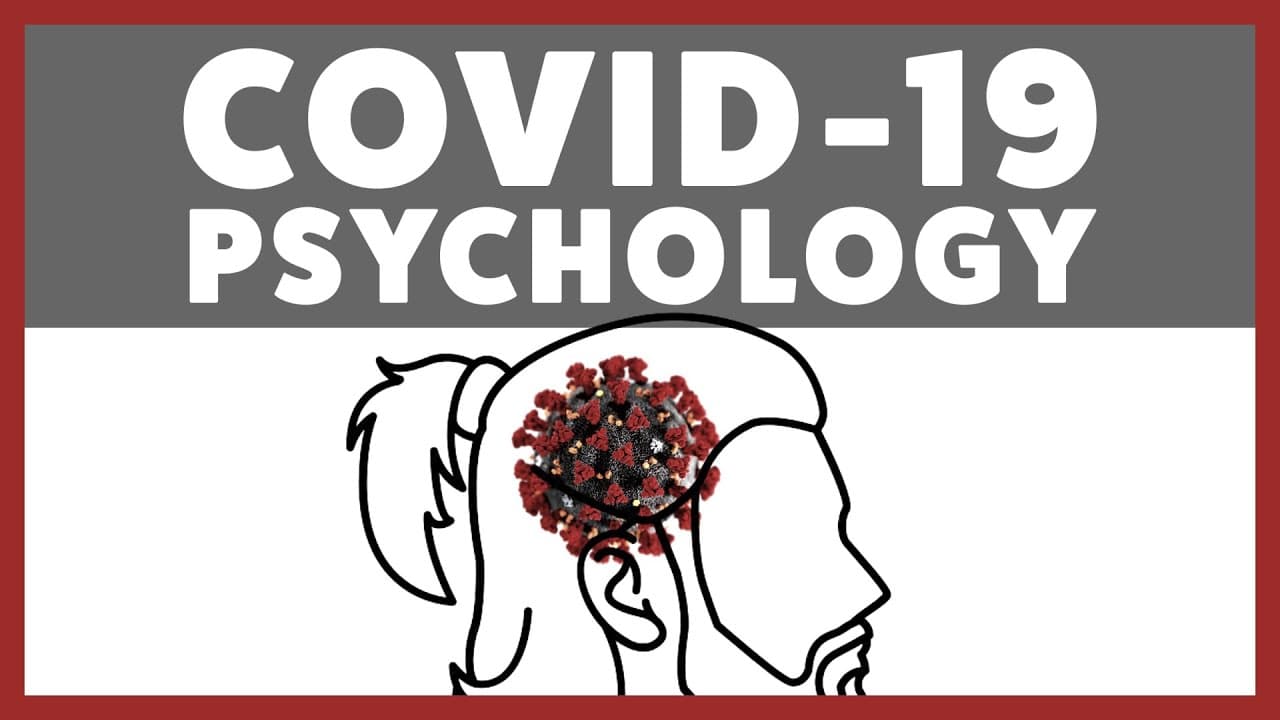
TL;DR
COVID-19 is taking advantage of psychological quirks in human behavior, such as an inability to see the threat, difficulty in recognizing slow-moving threats, insensitivity to large numbers and small percentages, and the influence of politics and emotion.
Transcript
we're in trouble right now at least in the United States the Cova 19 pandemic is winning it seems like there is a lack of leadership there's no unified response on how we should act or what we should do and when for how long and leadership aside I think there is a problem with the virus itself it is almost perfectly evolved to take advantage of qui... Read More
Key Insights
- 💄 Invisibility makes it harder for individuals to recognize and comprehend the threat of COVID-19.
- 🐢 Slow-moving threats like pandemics are difficult for humans to prioritize and sustain focus on.
- 🛩️ Insensitivity to large numbers and small percentages hampers empathy and understanding of the severity of the pandemic.
- 🖤 The lack of recent experience with pandemics contributes to a lack of awareness and preparedness.
- ❓ The politicization of COVID-19 obstructs effective response measures.
- 🥺 Emotion can override factual reasoning, leading to dismissals of recommended guidelines and measures.
- 😒 The non-intuitive use of masks and the failure to communicate their purpose effectively contribute to resistance.
Install to Summarize YouTube Videos and Get Transcripts
Explore YouTube Video Summarizer or Get YouTube Transcript Extractor
Questions & Answers
Q: Why is COVID-19's invisibility a problem for our understanding of the threat?
The fact that COVID-19 is an invisible threat makes it challenging for our minds to grasp its danger, as we cannot see its particles or observe direct actions related to the virus's spread.
Q: How does insensitivity to large numbers affect our perception of the pandemic?
Our brains are insensitive to large numbers, making it difficult to comprehend the scale of COVID-19's impact, leading to a lack of empathy for the thousands or millions affected by the virus.
Q: Why does the politicization of COVID-19 hinder effective response measures?
When politics and emotion intertwine, people tend to adhere to their existing beliefs and reject information from authoritative sources, hindering their ability to follow scientific guidelines and effectively respond to the pandemic.
Q: How does our intuitive understanding of health fail in the case of COVID-19?
Our intuitive health suggests that viruses are only infectious when we feel sick, cough, or sneeze. However, COVID-19 can spread asymptomatically, subverting our intuitive understanding and making it easier for the virus to spread.
Summary & Key Takeaways
-
COVID-19 is an invisible threat, making it psychologically less salient and difficult to comprehend the danger.
-
Humans struggle to deal with slow-moving threats like pandemics, as it is challenging to keep the threat in mind for an extended period.
-
Our brains are insensitive to large numbers, making it harder to empathize with the significant number of COVID-19 cases and deaths.
Read in Other Languages (beta)
Share This Summary 📚
Summarize YouTube Videos and Get Video Transcripts with 1-Click
Try YouTube Summary with ChatGPT & Claude or YouTube Transcript Generator
Explore More Summaries from Kyle Hill 📚



![🔴 Viral "Hanger Reflex" Explained! | [OFFICE HOURS] Podcast 090 thumbnail](/_next/image?url=https%3A%2F%2Fi.ytimg.com%2Fvi%2F-GQPNu0erKc%2Fhqdefault.jpg&w=750&q=75)

Summarize YouTube Videos and Get Video Transcripts with 1-Click
Try YouTube Summary with ChatGPT & Claude or YouTube Transcript Generator