HOW TO DO A SKIN CHECK AND WHAT TO LOOK FOR 👀 DERMATOLOGIST @DrDrayzday
TL;DR
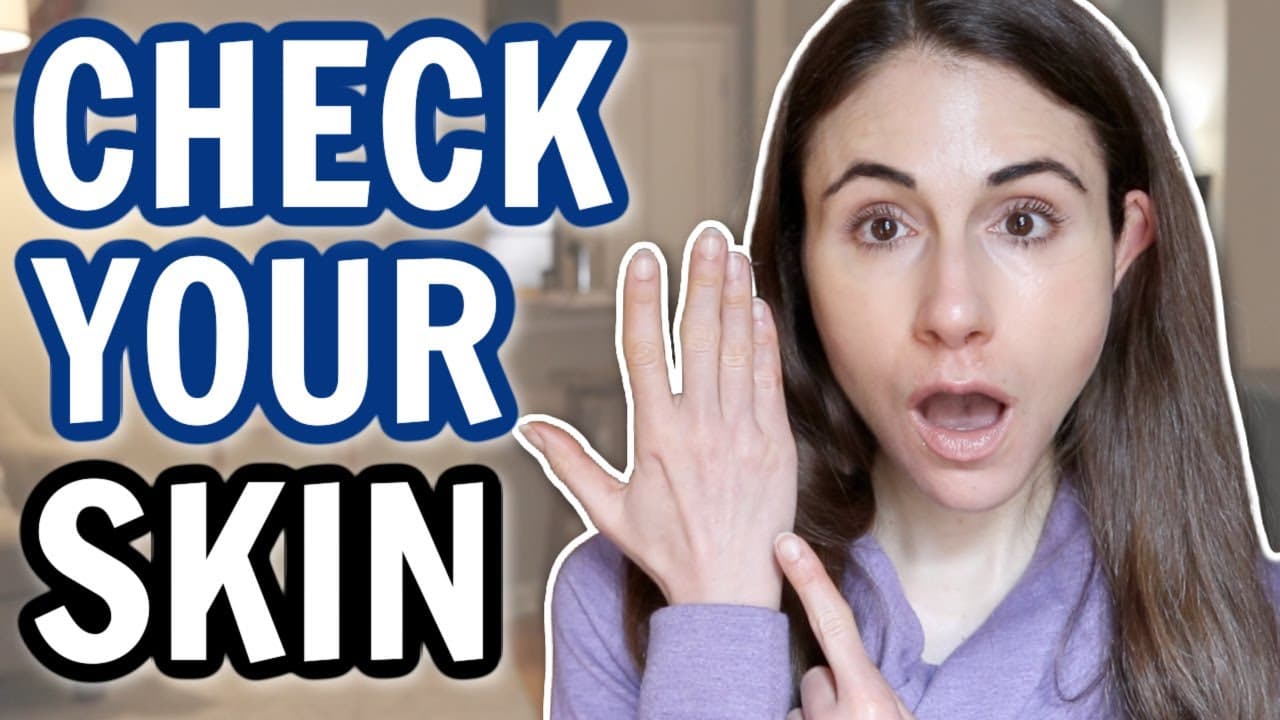
May is Skin Cancer Awareness Month. Learn how to do a thorough skin check to detect potential pre-skin cancers or skin cancers early.
Transcript
well hey guys it's may that means it's skin cancer awareness month and in this video i'm going to be explaining how to do a skin check and examine your skin to look for potentially pre-skin cancers or skin cancers you are new here welcome my name is andrea i'm a board-certified dermatologist i upload a ton of skincare content here on youtube please... Read More
Key Insights
- 🤳 Regular self-skin exams are crucial, especially for individuals with multiple risk factors for skin cancer.
- 👋 Conduct skin checks in good lighting, post-shower, without makeup to examine all body areas thoroughly.
- 🤨 Differentiate normal skin spots from potentially suspicious lesions like moles, atypical moles, congenital nevi, actinic keratosis, and seborrheic keratosis.
- 🤘 Melanoma can be identified through distinct features like the "ugly duckling sign," irregular borders, changing colors, and discomfort.
- ⌛ Documentation through photographs can assist in monitoring any changes in skin lesions over time for early detection.
- 👶 Total body photography may be used in some dermatology clinics to track new or changing lesions effectively.
- 😚 High-risk individuals with extensive sun exposure or numerous moles should pay close attention to any new or changing skin spots.
Install to Summarize YouTube Videos and Get Transcripts
Explore YouTube Video Summarizer or Get YouTube Transcript Extractor
Questions & Answers
Q: Why is it important to do monthly self-skin exams?
Monthly self-skin exams are crucial for identifying potential pre-skin cancers or skin cancers early, allowing for timely intervention and treatment.
Q: What are some common normal skin spots one may encounter during a skin check?
Common normal skin spots include moles (nevi), atypical moles (dysplastic nevi), congenital nevi, actinic keratosis, and seborrheic keratosis, most of which are harmless but should be monitored.
Q: How can melanoma be distinguished from normal skin spots during a skin check?
Melanoma can be identified through the "ugly duckling sign," where it stands out as different in appearance, irregular borders, changing colors, bleeding easily, and not blending in with other skin spots.
Q: What steps can individuals take if they notice a suspicious skin lesion during a self-exam?
Individuals should promptly bring any suspicious skin lesion to the attention of a healthcare provider or dermatologist for further evaluation, possibly leading to a biopsy for accurate diagnosis.
Summary & Key Takeaways
-
Skin cancer awareness month calls for monthly self-skin exams, especially for high-risk individuals.
-
Detailed guide on how to conduct a skin check and examine all body areas.
-
Understanding normal skin spots vs. suspicious lesions like moles, atypical moles, congenital nevi, actinic keratosis, and seborrheic keratosis.
Read in Other Languages (beta)
Share This Summary 📚
Summarize YouTube Videos and Get Video Transcripts with 1-Click
Try YouTube Summary with ChatGPT & Claude or YouTube Transcript Generator
Explore More Summaries from Dr Dray 📚



Summarize YouTube Videos and Get Video Transcripts with 1-Click
Try YouTube Summary with ChatGPT & Claude or YouTube Transcript Generator