Insulin Doctor Pradip Jamnadas: What's the Fastest Way to Burn Dangerous Visceral Fat?
TL;DR
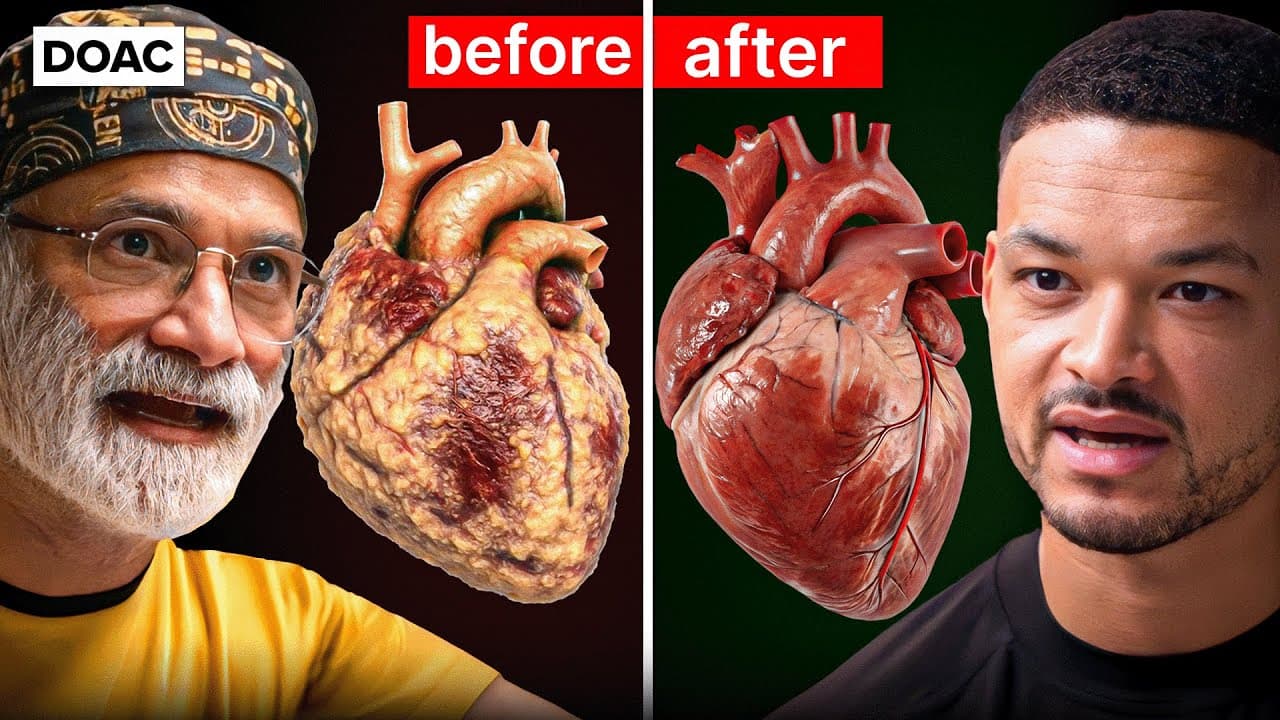
The fastest way to burn dangerous visceral fat is fasting: after about 12 hours without food the body starts pulling fat out, and the visceral fat around your organs is the first to go. Cardiologist Dr. Pradip Jamnadas, who has treated more than a quarter million heart patients, explains that frequent carbs, sugar, and processed foods keep insulin high and drive insulin resistance and heart disease. He also flags surprising risks like mold, one bad night's sleep, and too much aerobic exercise.
Transcript
If you have a belly sticking out, you have a problem because the fat that's in the stomach, that's called visceral fat. This is very detrimental fat. And that's the epidemic that we have today. But the only thing that will make you lose that fat very quickly. Dr. Praep Jam Nadas is a worldleading cardiologist who has treated more than a quarter of ... Read More
Key Insights
- Visceral fat is stored around vital organs and is highly inflammatory, contributing to heart disease.
- Fasting reduces insulin levels and is the quickest way to target and reduce visceral fat.
- Insulin resistance is caused by frequent consumption of carbohydrates and sugars, leading to chronic health issues.
- Excessive aerobic exercise can increase coronary artery disease risk; short sprints and resistance exercises are more beneficial.
- Poor sleep can lead to insulin resistance and negatively affect gut and heart health.
- Mold exposure and poor gut microbiome health can contribute to inflammation and heart disease.
- Calcium supplements may increase cardiovascular risk; vitamin D3 and K2 are better alternatives.
- Fasting promotes ketone production, which offers a cleaner energy source and various health benefits.
Install to Summarize YouTube Videos and Get Transcripts
Explore YouTube Video Summarizer or Get YouTube Transcript Extractor
Questions & Answers
Q: What is the fastest way to burn visceral fat?
According to Dr. Pradip Jamnadas, fasting is the quickest way to lose visceral fat. After about 12 hours without food, the body starts pulling stored fat out, and visceral fat around the organs is the first place it comes from. This works because fasting lowers insulin, which otherwise keeps fat locked in storage.
Q: Why is visceral fat so dangerous?
Visceral fat is the fat inside the stomach, stored around your vital organs, and Dr. Jamnadas calls it very detrimental. It is highly inflammatory and contributes to heart disease, which he notes is the number one cause of death in the world today. A belly sticking out is a sign you have this problem.
Q: How do carbs and sugar lead to heart disease?
Glucose is toxic inside the bloodstream, so the body releases insulin to push glucose out. Frequent consumption of carbs, sugar, and processed foods keeps insulin elevated, which can lead to insulin resistance. This makes you more prone to heart disease, the leading cause of death worldwide.
Q: Can too much aerobic exercise be bad for your heart?
Yes. Dr. Jamnadas observes that people who overly do aerobic activity end up with more coronary artery disease than patients who do short sprints and resistance exercises. He recommends short, intense efforts and resistance training over prolonged aerobic workouts for cardiovascular health.
Q: How does poor sleep affect insulin and heart health?
Sleep has a fast, measurable impact on metabolism. Dr. Jamnadas says that even one night of bad sleep can make you insulin resistant the next day. Because insulin resistance is tied to inflammation, gut health, and heart disease, consistently poor sleep undermines cardiovascular health.
Q: What role does mold play in heart disease?
Dr. Jamnadas points to mold as an under-recognized risk, noting that almost 70% of homes these days have some form of mold toxicity. Mold exposure and a poor gut microbiome can drive the kind of chronic inflammation that contributes to heart disease.
Q: What actually causes a heart attack?
A plaque is a buildup of fibrous material inside an artery, and on its own it does not cause a heart attack. A heart attack happens when a minor plaque cracks open; the passing blood sees the crack, tries to repair it, and forms a blood clot that blocks flow. Notably, only about 20% of patients with a blockage actually get chest pain, so many blockages are silent.
Q: Are calcium supplements safe, or is there a better option?
Calcium supplements may increase cardiovascular risk. Instead, Dr. Jamnadas recommends vitamin D3 and K2, which help direct calcium appropriately and support bone health without the same buildup risk in the arteries. He lists calcium supplements, excessive fruit, and white rice (which can carry arsenic) among the surprising everyday risks to watch.
Summary & Key Takeaways
-
Dr. Pradip Jamnadas emphasizes the importance of fasting in reducing visceral fat, which is stored around vital organs and contributes to heart disease. Fasting lowers insulin levels, reduces inflammation, and improves overall heart health. He warns against frequent carbohydrate and sugar intake, which can lead to insulin resistance.
-
Excessive aerobic exercise may increase the risk of coronary artery disease, while short sprints and resistance exercises offer more heart health benefits. Poor sleep is linked to insulin resistance, affecting gut and heart health. Exposure to mold and poor gut microbiome health can also contribute to heart disease.
-
Calcium supplements might increase cardiovascular risk, so vitamin D3 and K2 are recommended instead. Fasting encourages ketone production, providing a cleaner energy source and enhancing brain function, muscle growth, and immunity. Dr. Jamnadas advocates for lifestyle changes to prevent heart disease.
Read in Other Languages (beta)
Share This Summary 📚
Summarize YouTube Videos and Get Video Transcripts with 1-Click
Try YouTube Summary with ChatGPT & Claude or YouTube Transcript Generator
Explore More Summaries from The Diary Of A CEO 📚

Summarize YouTube Videos and Get Video Transcripts with 1-Click
Try YouTube Summary with ChatGPT & Claude or YouTube Transcript Generator